April 11, 2026
Unlock Your Creativity: The Rise of Image Generators and Their Impact on Art
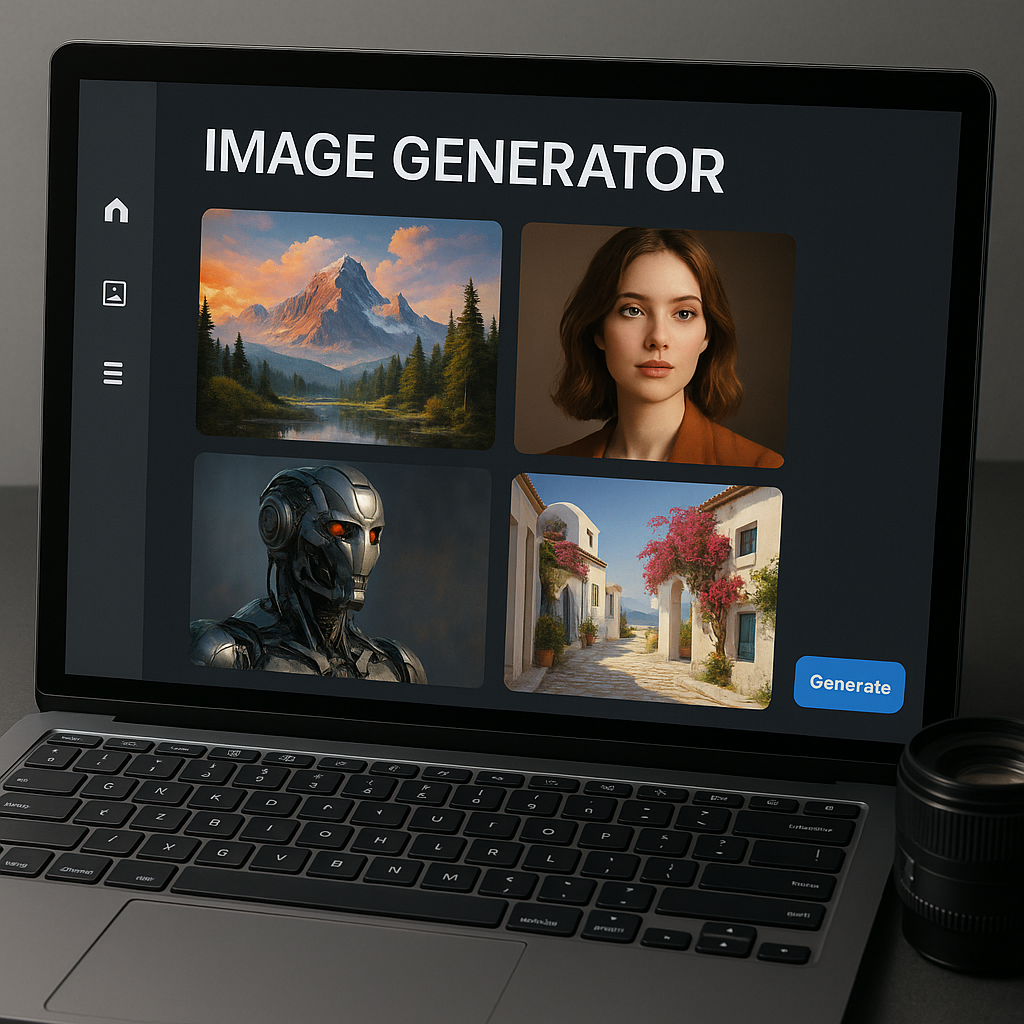
Image Generators
In recent years, image generators have surged in popularity, transforming the landscape of digital art and design. These sophisticated tools harness the power of artificial intelligence (AI) to create visually striking images from textual descriptions, offering artists, marketers, and everyday users unprecedented opportunities for creativity. As technology evolves, the implications of these tools stretch far beyond mere novelty, influencing industries from advertising to entertainment and even education.
At the heart of image generators lies a complex interplay of machine learning algorithms and vast data sets. Typically built on deep learning architectures, these generators—such as OpenAI's DALL-E, Google's Imagen, and Midjourney—are trained on millions of images and their corresponding textual descriptions. This training enables them to understand and interpret the nuances of human language, allowing users to input prompts that can range from the mundane to the fantastical. For example, a user might type "a futuristic cityscape at sunset," and the generator will produce a unique image that embodies that vision.
The rapid advancements in this technology have democratized art creation, making it accessible to those who may not possess traditional artistic skills. For instance, small business owners can now create compelling visuals for their marketing campaigns without the need for a professional graphic designer. This capability is empowering for many, allowing individuals to express their ideas visually and engage audiences in novel ways.
Yet, the rise of image generators is not without controversy. One pressing concern revolves around copyright and intellectual property rights. As users generate images based on existing styles or themes, questions arise about ownership and originality. For example, if an AI creates an artwork that closely resembles the style of a famous artist, who holds the rights to that image? Artists and industry experts are calling for clearer regulations to address these issues and ensure that original creators are not inadvertently harmed by AI-generated content.
Moreover, the potential for misuse of image generators poses ethical dilemmas. The technology can be harnessed to create misleading or harmful content, such as deepfakes or misinformation campaigns. For instance, an AI-generated image could portray a public figure in an unflattering or damaging light, contributing to the spread of false narratives. As such, developers and platforms are increasingly under pressure to implement safeguards and guidelines that prevent the misuse of their technologies.
In response to these challenges, many image generator companies are actively engaging with the artistic community and policymakers to shape the future of this technology. Initiatives aimed at promoting responsible usage include watermarking generated images, developing usage guidelines, and incorporating feedback from artists to refine the algorithms. These efforts reflect a growing recognition that while the technology has immense potential, it must be wielded responsibly and ethically.
The impact of image generators extends into various sectors, including education. Educators are exploring ways to integrate these tools into the classroom, allowing students to visualize complex concepts and exercise their creativity. For example, an art history class might use an image generator to recreate historical art styles, enabling students to better understand the context and techniques behind famous works. This interactive approach not only enhances learning but also encourages students to engage with art in a modern context.
Furthermore, the gaming industry is leveraging image generators to create diverse environments and characters, streamlining the design process and enhancing player experiences. Game developers can input descriptions of characters or settings, reducing the time and effort traditionally required for concept art. This not only accelerates development cycles but also fosters innovation, as creators can experiment with new ideas and aesthetics that may have been impractical before.
As the technology continues to evolve, the potential applications of image generators seem limitless. From personalized merchandise to virtual reality experiences, the ability to generate custom images on demand opens doors to new business models and creative ventures. Startups are emerging to capitalize on this trend, offering services that utilize image generators for everything from custom illustrations to product design.
In the art world, traditional artists are beginning to embrace image generators as tools for collaboration rather than competition. Some artists use these technologies to brainstorm ideas or create backgrounds, incorporating AI-generated elements into their work. This fusion of human creativity and machine-generated imagery can yield striking results, pushing the boundaries of what is considered art. As the lines between human-made and machine-made continue to blur, the definition of creativity itself is being reexamined.
Despite the excitement surrounding image generators, there remains a vital conversation about the future of creativity and authenticity. As these tools become more integrated into artistic processes, questions about the role of the artist in an increasingly automated world will inevitably arise. Will the value of art diminish if anyone can create stunning visuals with a simple text prompt? Or will it lead to a renaissance of creativity as artists find new ways to express themselves?
Ultimately, the emergence of image generators represents a profound shift in how we think about art, creativity, and technology. While the challenges they present are significant, the opportunities for innovation and expression are equally vast. As society navigates this new frontier, it is essential to foster an environment that encourages ethical usage, supports original creators, and celebrates the diverse possibilities that AI-generated imagery can offer. The future of image generation is a canvas still waiting for its most vibrant strokes, and the world is watching closely as this digital art form continues to evolve.
Recent Posts
Breakthrough in Neural Networks: How New AI Models Revolutionize Global Tech
June 16, 2026
Head-to-Head: Comparing Neural Network Models and Their Impact on AI Work Today
June 16, 2026
New Breakthrough in Image Generators Promises to Revolutionize Artistic Expressi...
June 16, 2026
Maximum Potential
Get the full experience with Pro Plan
INFORMATION