березень 17, 2026
Unlock Your Creativity: The Rise of Image Generators in Digital Artistry
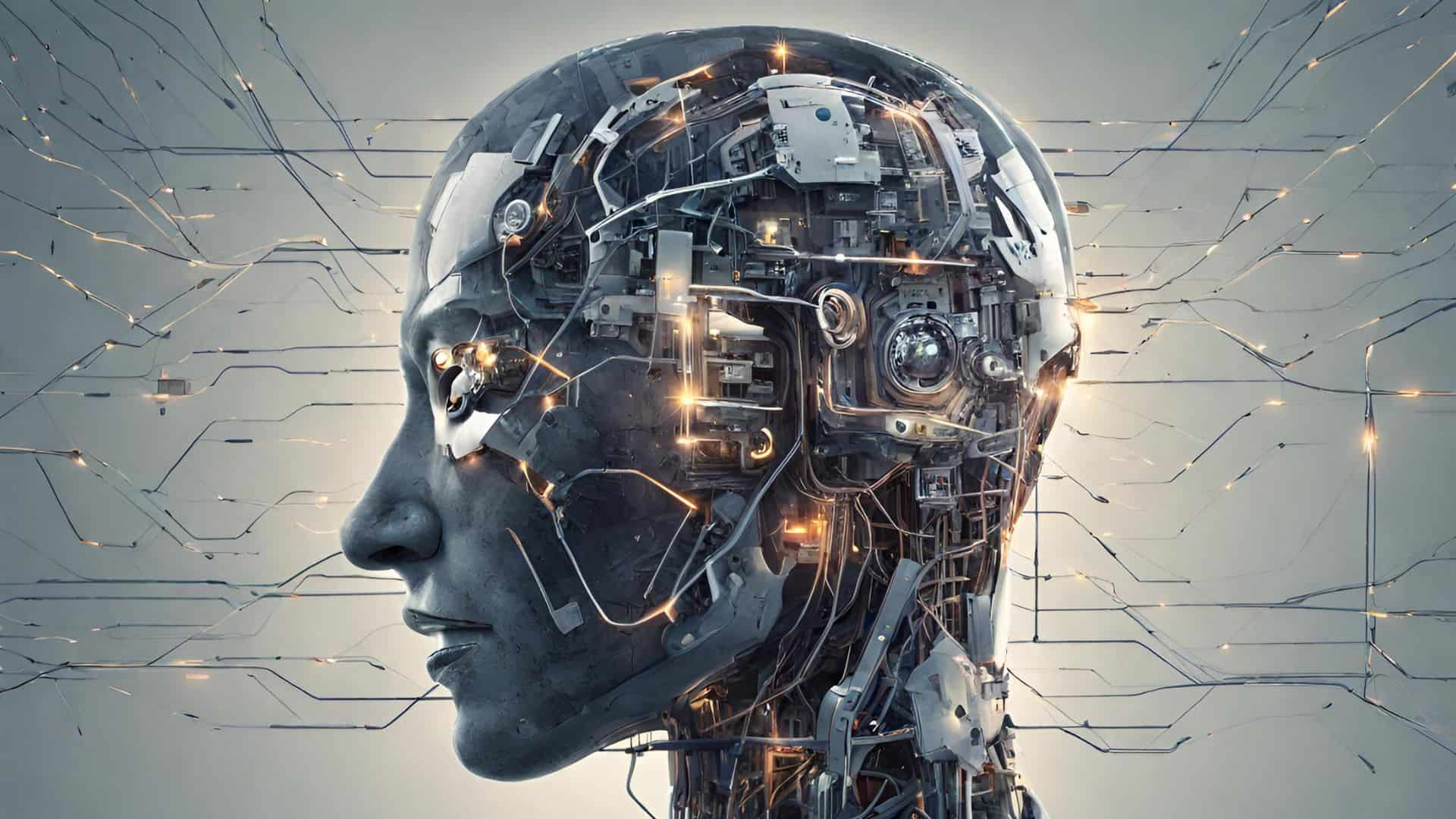
Image Generators
In recent years, image generators have surged into the limelight, revolutionising the way we create, consume, and interact with visual content. These sophisticated tools, powered by artificial intelligence and machine learning, enable users to generate stunning images from textual descriptions, making them accessible for artists, marketers, and everyday users alike. As technology continues evolving, the implications of image generators extend far beyond just aesthetics, sparking conversations about creativity, copyright, and the future of visual arts.
At the core of these innovations is a technology known as Generative Adversarial Networks (GANs). GANs consist of two neural networks, the generator and the discriminator, that work in tandem. The generator creates images, while the discriminator evaluates them against real images, providing feedback that helps the generator improve. This iterative process has led to the creation of high-quality images that can often be indistinguishable from those captured by human photographers.
One of the most notable applications of image generators is in the realm of artistic expression. Artists can use these tools to brainstorm ideas, generate concepts, or even create finished pieces of art. For instance, platforms like DALL-E and Midjourney have gained popularity for their ability to produce intricate and imaginative images based on simple text prompts. This functionality has democratized the artistic process, allowing individuals without formal training to create visually stunning works of art with just a few clicks.
Moreover, businesses are beginning to harness the power of image generators for marketing and branding purposes. With the ability to generate bespoke images tailored to specific campaigns, companies can save time and resources while maintaining a unique visual identity. This is particularly beneficial for small businesses and startups that may lack the budget for professional photography. By utilising image generators, they can create eye-catching visuals that resonate with their target audience, enhancing engagement and driving sales.
However, the rise of image generators has not been without controversy. One of the most pressing concerns revolves around copyright and ownership. As AI-generated images become more prevalent, questions arise about who owns the rights to these creations. If a user inputs a prompt into an image generator and receives a unique image in return, is that user the creator, or does the credit belong to the developers of the software? This debate has led to a complex web of legal considerations that have yet to be fully addressed, leaving creators in a grey area when it comes to the use of AI-generated content.
Furthermore, the potential for misuse of these technologies cannot be overlooked. Image generators can create hyper-realistic images that may be used to spread misinformation or create deepfakes. The implications of this are profound, as it becomes increasingly difficult to discern between genuine and fabricated content. As a result, there is a growing need for regulations and ethical guidelines to govern the use of AI in image generation, ensuring that these powerful tools are used responsibly.
The education sector is also witnessing the impact of image generators. Teachers and students alike are exploring how these tools can enhance learning experiences. For example, educators can use AI-generated images to create engaging visual aids, while students can utilise them for projects and presentations. This integration of technology into the classroom fosters creativity and innovation, encouraging students to think critically about the images they create and consume.
As we look to the future, the potential applications of image generators are virtually limitless. Industries such as gaming, film, and advertising are already beginning to integrate AI-generated visuals into their workflows, streamlining production processes and reducing costs. In gaming, developers can create expansive worlds and characters with minimal effort, while filmmakers can generate concept art and storyboards quickly. This not only accelerates the creative process but also opens doors to new forms of storytelling and visual experiences.
Despite the challenges and ethical considerations, the benefits of image generators are undeniable. They have the power to enhance creativity, foster collaboration, and revolutionise industries. As these technologies continue to evolve, it is essential for users, creators, and policymakers to engage in ongoing discussions about their implications. By establishing clear guidelines and fostering responsible use, we can ensure that image generators contribute positively to our society and culture.
In conclusion, image generators represent a significant advancement in the intersection of technology and creativity. They provide tools that empower individuals and businesses to express themselves visually in ways that were previously unimaginable. As we navigate the complexities of this new digital landscape, it is crucial to balance innovation with ethical considerations, ensuring that the future of image generation is bright and inclusive for all.
Recent Posts
Head-to-Head: Comparing Top AI Models in Работа с Нейросетями and Their Impact
червень 16, 2026
Debunking Myths: The Realities of Работа с Нейросетями and AI Models Today
червень 16, 2026
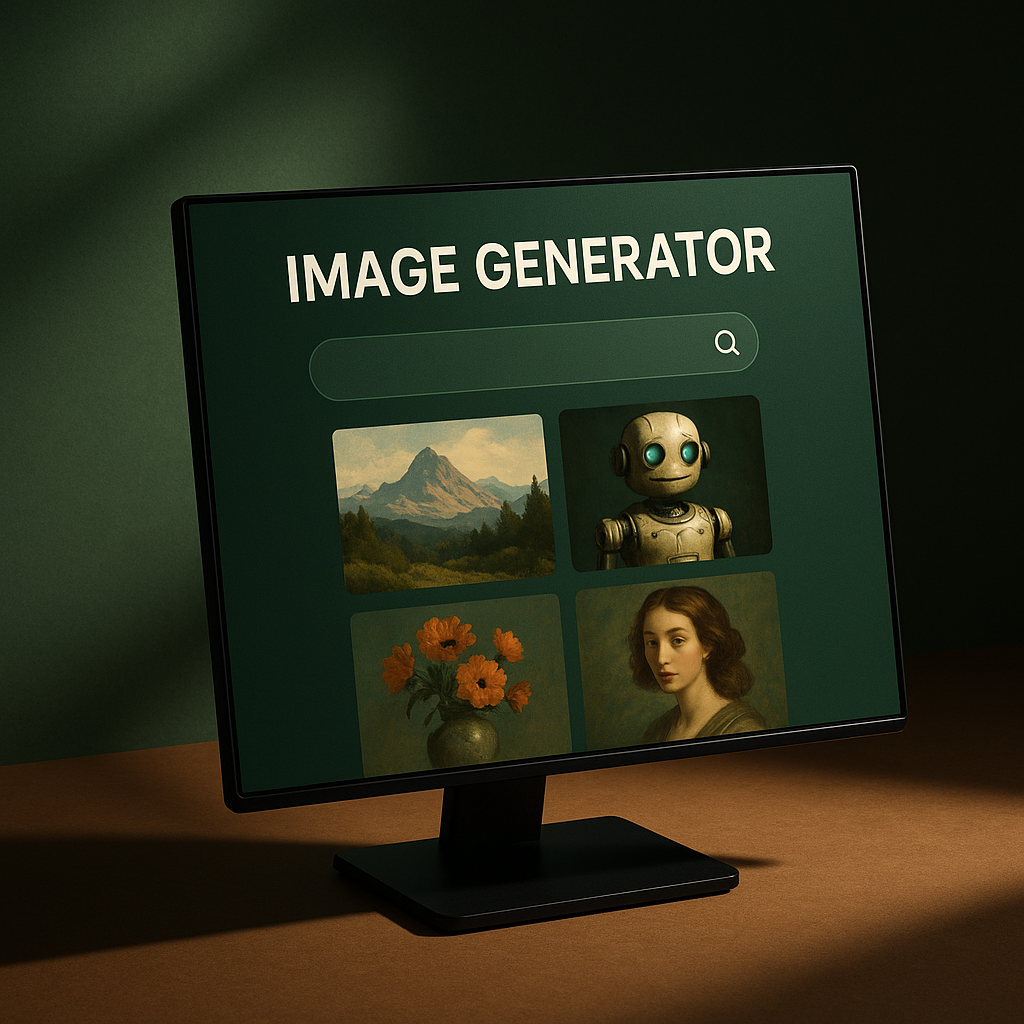
Unlocking Creativity: A Simple Guide to Using Image Generators for Beginners
червень 16, 2026

Maximum Potential
Отримайте повний досвід із планом Pro
ІНФОРМАЦІЯ