March 24, 2026
Unlock Your Creativity: The Rise of Image Generators Transforming Art in 2023
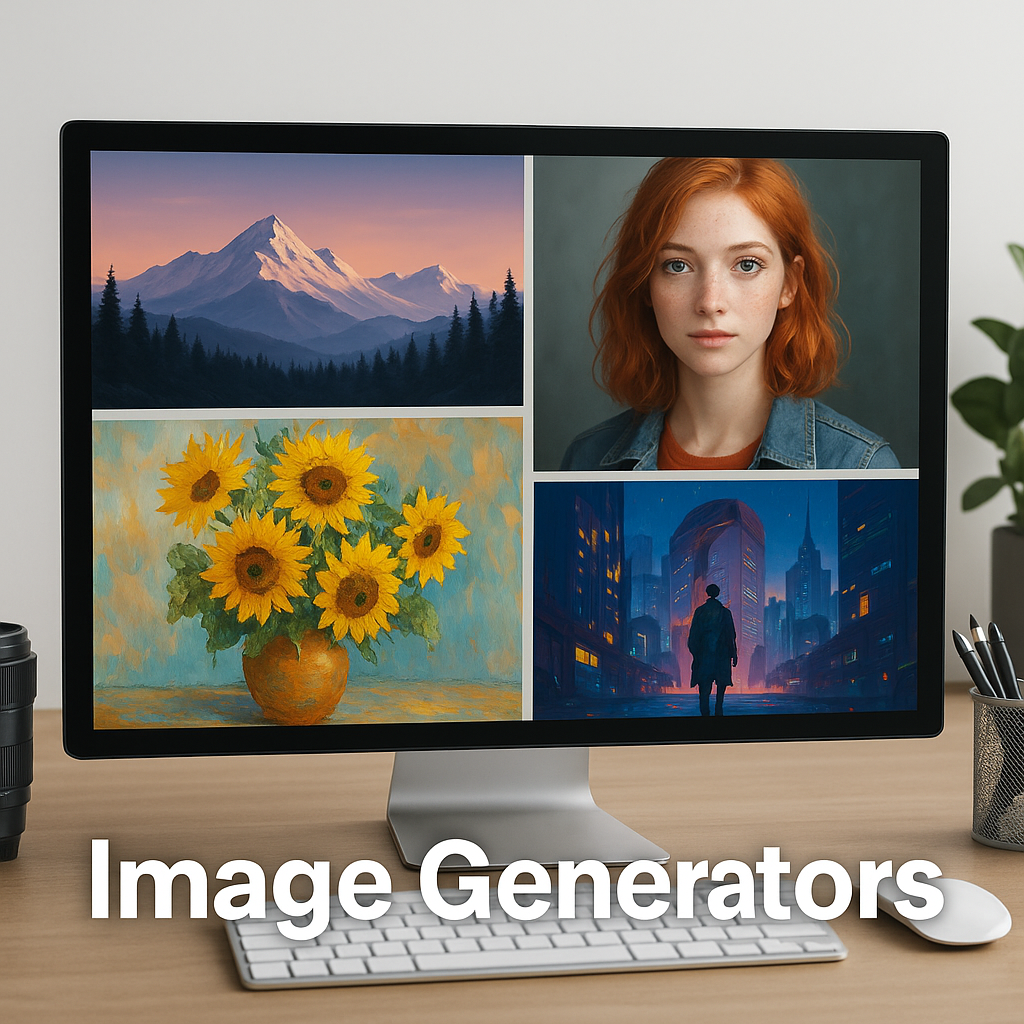
Image Generators
In recent years, the rise of image generators has transformed the landscape of digital art and content creation. These sophisticated tools harness the power of artificial intelligence (AI) to create images from textual descriptions, allowing users to bring their imaginative ideas to life with unprecedented ease. The advent of these technologies has not only democratized art production but has also sparked debates around creativity, copyright, and the future of artistic professions.
Image generators, powered by advanced machine learning algorithms, have gained significant traction due to their ability to produce high-quality visuals in a matter of seconds. Prominent platforms such as DALL-E, Midjourney, and Stable Diffusion have emerged, each offering unique capabilities and features. DALL-E, developed by OpenAI, is particularly known for its ability to generate highly detailed and creative images from simple prompts. Users can input phrases like “a two-headed flamingo in space” and receive stunning visual interpretations that push the boundaries of traditional art creation.
These tools operate using techniques such as generative adversarial networks (GANs) and diffusion models. GANs consist of two neural networks—the generator and the discriminator—working against each other. The generator creates images, while the discriminator evaluates them, leading to continuous improvements in image quality. Similarly, diffusion models work by gradually transforming random noise into coherent images, producing results that are often indistinguishable from those created by human artists.
The accessibility of image generators has opened new avenues for artists, designers, and content creators. Amateur artists now have a platform to experiment with their creativity without the steep learning curve associated with traditional artistic skills. For professionals, these tools can serve as a source of inspiration, allowing them to visualize concepts quickly or generate background images for projects. In industries such as advertising and gaming, image generators are being integrated into workflows to enhance productivity and innovation.
However, the rise of these technologies has not been without controversy. The ease with which images can be generated raises questions about originality and ownership. As AI-generated art becomes more prevalent, the line between human creativity and machine-generated content blurs. Many artists express concerns that their work could be imitated or overshadowed by AI outputs, leading to a potential devaluation of human-created art.
Copyright issues also loom large in the discussion surrounding image generators. Current laws struggle to keep pace with the rapid advancements in AI technology. If an AI generates an image based on the style of a famous artist, who holds the copyright? Is it the developer of the AI, the user who issued the prompt, or the original artist whose style was mimicked? These questions pose significant legal challenges that will require careful consideration and possibly new legislation as the technology continues to evolve.
Despite these challenges, the potential applications for image generators are vast. In the realm of education, for example, teachers can use these tools to create engaging visual aids that enhance learning. In marketing, brands can rapidly produce unique visuals for campaigns tailored to specific audiences, thereby streamlining the creative process. Furthermore, the gaming industry is exploring the use of image generators to create dynamic environments and character designs, significantly reducing development time and costs.
The impact of image generators on social media platforms cannot be overlooked. As users increasingly share AI-generated content, these images often go viral, reshaping online aesthetics and trends. Influencers and content creators leverage these tools to produce eye-catching visuals that attract followers and engagement, leading to a new form of digital expression. However, this phenomenon also raises the issue of authenticity, as audiences may struggle to discern between human-created and AI-generated content.
As the technology continues to advance, it is likely that we will see even more sophisticated image generators emerge. Future iterations may incorporate features such as real-time customization, allowing users to manipulate images interactively or collaborate with the AI in more profound ways. The integration of voice commands and augmented reality (AR) elements could further enhance user experience, making the creation of visual content as intuitive as having a conversation.
In response to the growing influence of image generators, some artists are embracing the technology as a tool rather than a threat. Many are experimenting with hybrid approaches, combining their artistic skills with AI capabilities to create unique works that blend human and machine creativity. This collaboration may result in entirely new art forms, expanding the definition of what constitutes art in the digital age.
Ultimately, the emergence of image generators symbolizes a broader shift in the creative landscape, where technology increasingly intersects with artistry. As society navigates the complexities of these changes, it becomes essential to foster discussions about the ethical implications, copyright laws, and the value we place on human creativity. While the future remains uncertain, one thing is clear: image generators have forever altered the way we think about art, creativity, and the role of technology in our lives.
In conclusion, image generators represent a powerful convergence of art and technology, offering both exciting opportunities and significant challenges. As they continue to develop, the implications for artists, content creators, and society at large will unfold, shaping the future of artistic expression in ways we are only beginning to understand. The dialogue around these tools will undoubtedly evolve, inviting stakeholders across various fields to engage in a collaborative exploration of creativity in the age of AI.
Recent Posts
Breakthrough in Neural Networks: How New AI Models Revolutionize Global Tech
June 16, 2026
Head-to-Head: Comparing Neural Network Models and Their Impact on AI Work Today
June 16, 2026
New Breakthrough in Image Generators Promises to Revolutionize Artistic Expressi...
June 16, 2026
Maximum Potential
Get the full experience with Pro Plan
INFORMATION