April 6, 2026
Unlock Your Creativity: Top 5 Image Generators Transforming Digital Art in 2023
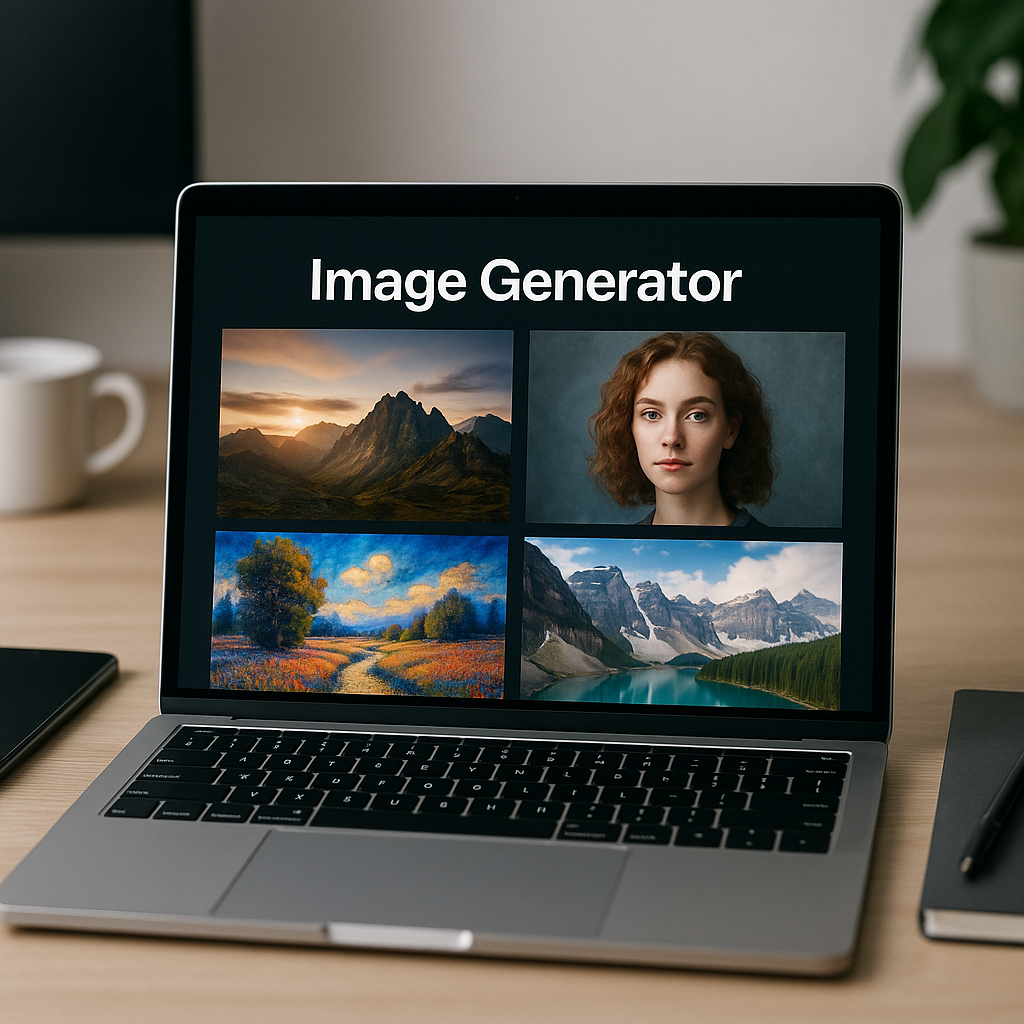
Image Generators
In recent years, image generators have emerged as a transformative force in various industries, from art and design to marketing and entertainment. These powerful tools, driven by advanced machine learning algorithms and artificial intelligence, allow users to create stunning visuals with minimal effort. As technology continues to evolve, the implications of image generators are becoming increasingly significant, raising questions about creativity, copyright, and the future of visual content.
At the core of image generators are generative adversarial networks (GANs), a type of neural network that pits two AI models against each other. One model, the generator, creates images while the other, the discriminator, evaluates them. This back-and-forth process continues until the generator produces images that can fool the discriminator, resulting in high-quality visuals. GANs have revolutionized the way images are created, enabling the generation of everything from hyper-realistic portraits to abstract art.
Among the most notable image generators is OpenAI's DALL-E, which gained widespread attention for its ability to create unique images from textual descriptions. Users can input phrases like "an armchair in the shape of an avocado," and DALL-E will generate an image that matches the description. This capability has not only delighted artists and designers but has also sparked discussions about the potential applications of such technology in advertising, content creation, and even education.
Another popular tool is Midjourney, which operates through a Discord server, allowing users to generate images through simple text commands. Midjourney has gained a loyal following for its ability to produce imaginative and artistic visuals that often surpass traditional methods. By democratizing access to high-quality image creation, these platforms are empowering users from diverse backgrounds to explore their creativity.
The implications of these advancements extend beyond the realm of art. Businesses are increasingly leveraging image generators for marketing purposes, using them to create eye-catching graphics for social media campaigns, product advertisements, and website content. This not only saves time and resources but also enables companies to produce tailored visuals that resonate with their target audience. Moreover, small businesses and startups, which may lack the budget for professional photography or graphic design, can utilize these tools to compete on a more level playing field.
However, the rise of image generators is not without its challenges. One of the most pressing concerns is the issue of copyright. As AI-generated images become more prevalent, questions arise about ownership and the rights of creators versus those of the AI systems that produce them. In many cases, AI-generated images do not credit any particular artist or source, leading to potential legal disputes over the use and distribution of these visuals.
Furthermore, the potential for misuse of image generators is another point of contention. Deepfake technology, which uses similar methods to create hyper-realistic images and videos of people saying or doing things they never did, has already raised ethical questions in the realms of politics and journalism. The ability to create convincing yet false images can erode trust in visual media, making it increasingly difficult for audiences to discern reality from fabrication.
As society grapples with these challenges, some experts advocate for the establishment of clear guidelines and ethical standards surrounding the use of image generators. This includes defining ownership rights for AI-generated content, implementing measures to prevent misuse, and fostering a culture of transparency in the creative process. By addressing these issues proactively, the industry can harness the potential of image generators while minimizing the risks associated with their use.
In addition to concerns about copyright and misuse, the impact of image generators on traditional artists cannot be overlooked. While these technologies can serve as tools for inspiration and enhancement, there is a fear that they may devalue human creativity. Artists worry that clients might prefer to use AI-generated images over traditional artwork, potentially leading to a decline in demand for human-created visuals.
Despite these concerns, many artists are finding ways to integrate image generators into their workflow. Some use these tools to generate ideas or as a starting point for their work, blending AI-generated visuals with traditional techniques. This collaborative approach can lead to innovative outcomes, pushing the boundaries of creativity and allowing artists to explore new mediums.
The educational sector is also beginning to embrace image generators, using them as teaching tools in art and design programs. Students can learn about the principles of design and composition while experimenting with AI-generated images, providing them with a unique perspective on the creative process. As image generators continue to evolve, they may play a significant role in shaping the curriculum of future design and art classes.
Looking ahead, the future of image generators appears promising, with ongoing advancements in AI and machine learning. As these technologies become more sophisticated, we can expect to see even more impressive and varied outputs. Innovations such as improved resolution, enhanced style transfer, and greater personalization options will likely broaden the scope of what is possible in image generation.
Nonetheless, it is crucial for stakeholders across industries—artists, businesses, educators, and policymakers—to engage in dialogue about the ethical implications and potential regulations surrounding image generators. By fostering a collaborative approach, the creative community can harness the benefits of these tools while ensuring that they complement, rather than undermine, human creativity.
In conclusion, image generators represent a remarkable shift in the landscape of visual content creation. While they offer new opportunities for innovation and creativity, they also pose challenges that society must address. As we navigate this new frontier, it is essential to strike a balance between embracing technological advancements and preserving the value of human artistry. The conversation surrounding image generators will undoubtedly continue to evolve, shaping the future of art, design, and visual communication for years to come.
Recent Posts
Breakthrough in Neural Networks: How New AI Models Revolutionize Global Tech
June 16, 2026
Head-to-Head: Comparing Neural Network Models and Their Impact on AI Work Today
June 16, 2026
New Breakthrough in Image Generators Promises to Revolutionize Artistic Expressi...
June 16, 2026
Maximum Potential
Get the full experience with Pro Plan
INFORMATION