April 1, 2026
Unlock Your Creativity: Top Image Generators Transforming Digital Art in 2023
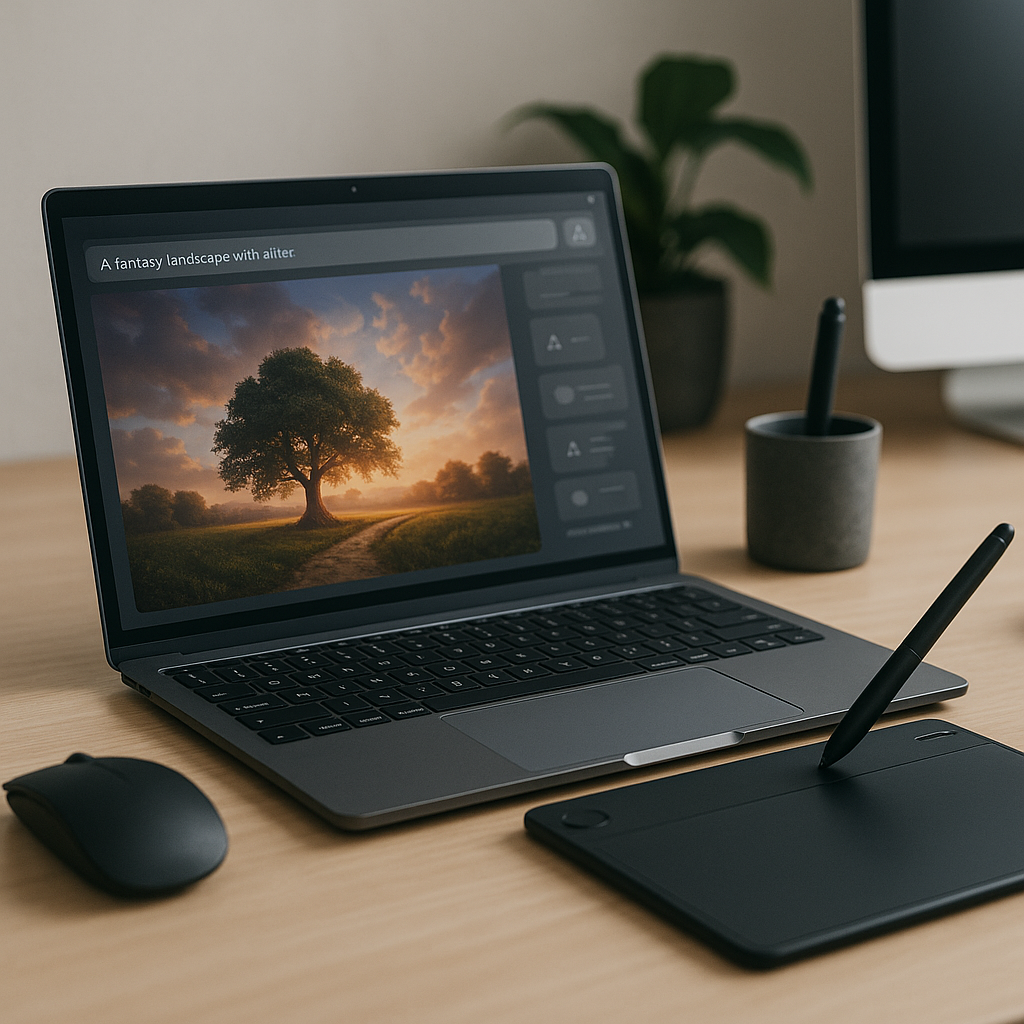
Image Generators
The rise of image generators has transformed the landscape of digital art and content creation, bringing both excitement and controversy to the forefront of creative industries. Powered by advanced artificial intelligence (AI) algorithms, these tools enable users to create stunning visuals from simple text prompts, democratizing access to artistic expression and challenging traditional notions of creativity.
Image generators, particularly those based on Generative Adversarial Networks (GANs) and diffusion models, have gained significant traction in recent years. These technologies allow users to input descriptive phrases, which the algorithms then interpret to produce unique images. OpenAI’s DALL-E, Google’s Imagen, and Stability AI's Stable Diffusion are among the most notable examples that have captivated the public's imagination, showcasing the remarkable capabilities of AI in generating art.
One of the most compelling aspects of image generators is their potential to enhance creativity. Artists, designers, and marketers can use these tools to brainstorm ideas or visualize concepts that may be difficult to capture manually. For instance, a fashion designer could generate a variety of outfit designs using a simple description, allowing them to explore new styles and aesthetics rapidly. This capability not only saves time but also encourages experimentation, enabling creators to push the boundaries of their work.
Moreover, image generators are proving to be valuable tools in industries beyond traditional art. In advertising, companies are leveraging these technologies to create tailored visuals for their campaigns, significantly reducing the cost and time associated with producing high-quality images. Similarly, the gaming industry is exploring the use of AI-generated artwork to develop vast and diverse game environments, enriching the user experience and providing players with an immersive world to explore.
However, the rise of image generators has not been without its challenges and controversies. One of the primary concerns revolves around copyright issues and the ownership of AI-generated works. Since these images are created based on existing data and algorithms trained on a multitude of artworks, questions arise regarding the originality of the outputs. Artists whose work has been used to train these AI models have voiced their concerns about the potential for their styles to be replicated without consent or compensation, prompting discussions about the need for clear legal frameworks governing AI-generated content.
Additionally, the potential for misuse of AI-generated images raises ethical questions. The technology can be exploited to create misleading or harmful content, such as deepfakes or propaganda. The ability to produce hyper-realistic images with minimal effort means that misinformation can spread more rapidly than ever before. This urgency has sparked debates among policymakers, technologists, and ethicists about how to regulate the use of AI in creative domains while fostering innovation.
Despite the challenges, many in the creative community are embracing the technology, viewing it as a tool to complement human creativity rather than replace it. Advocates argue that image generators can enhance the creative process by providing artists with a new medium through which to explore their ideas. This perspective emphasizes collaboration between humans and machines, where AI serves as an assistant that can generate possibilities that artists might not have considered on their own.
As image generators continue to evolve, the technology is becoming increasingly sophisticated. Recent advancements have led to improvements in the quality and specificity of generated images. For example, the introduction of more complex models that understand context and nuances in language has resulted in outputs that are not only visually stunning but also thematically coherent. This evolution is indicative of a broader trend in AI development, where systems are becoming more adept at understanding human creativity and the intricacies of artistic expression.
The accessibility of image generators has also prompted a surge in interest from non-professionals and hobbyists. Platforms offering user-friendly interfaces allow individuals with no formal art training to create and share their work, leading to a vibrant online community where people can showcase their creations. This influx of new voices contributes to a diverse digital art landscape, enriching the cultural tapestry and fostering innovation across various genres.
Moreover, educational institutions are beginning to incorporate image generation technology into their curricula, recognizing its potential to inspire the next generation of creators. By teaching students how to harness AI tools, educators are equipping them with skills that are increasingly relevant in today’s job market. The fusion of technology and creativity is seen as a vital component of modern education, preparing students to thrive in an ever-evolving digital economy.
Looking forward, the future of image generators appears bright yet complex. As the technology continues to advance, it will be crucial for stakeholders, including artists, technologists, and policymakers, to engage in ongoing dialogue about the implications of these tools. Establishing ethical guidelines and legal frameworks will be essential in navigating the challenges posed by AI-generated content while ensuring that artists' rights are protected.
In conclusion, image generators represent a significant shift in the way art is created and consumed. By democratizing access to creative tools and fostering collaboration between humans and machines, these technologies are reshaping the landscape of artistic expression. While the journey ahead may be fraught with challenges, the potential for innovation and creativity remains boundless, inviting us to explore new frontiers in the world of art. As we embrace the capabilities of AI, it is imperative to do so thoughtfully, balancing the excitement of new possibilities with the responsibility of ethical engagement.
Recent Posts
Breakthrough in Neural Networks: How New AI Models Revolutionize Global Tech
June 16, 2026
Head-to-Head: Comparing Neural Network Models and Their Impact on AI Work Today
June 16, 2026
New Breakthrough in Image Generators Promises to Revolutionize Artistic Expressi...
June 16, 2026
Maximum Potential
Get the full experience with Pro Plan
INFORMATION