лютий 9, 2026
Unlock Your Creativity: Top Image Generators Transforming Digital Art in 2023
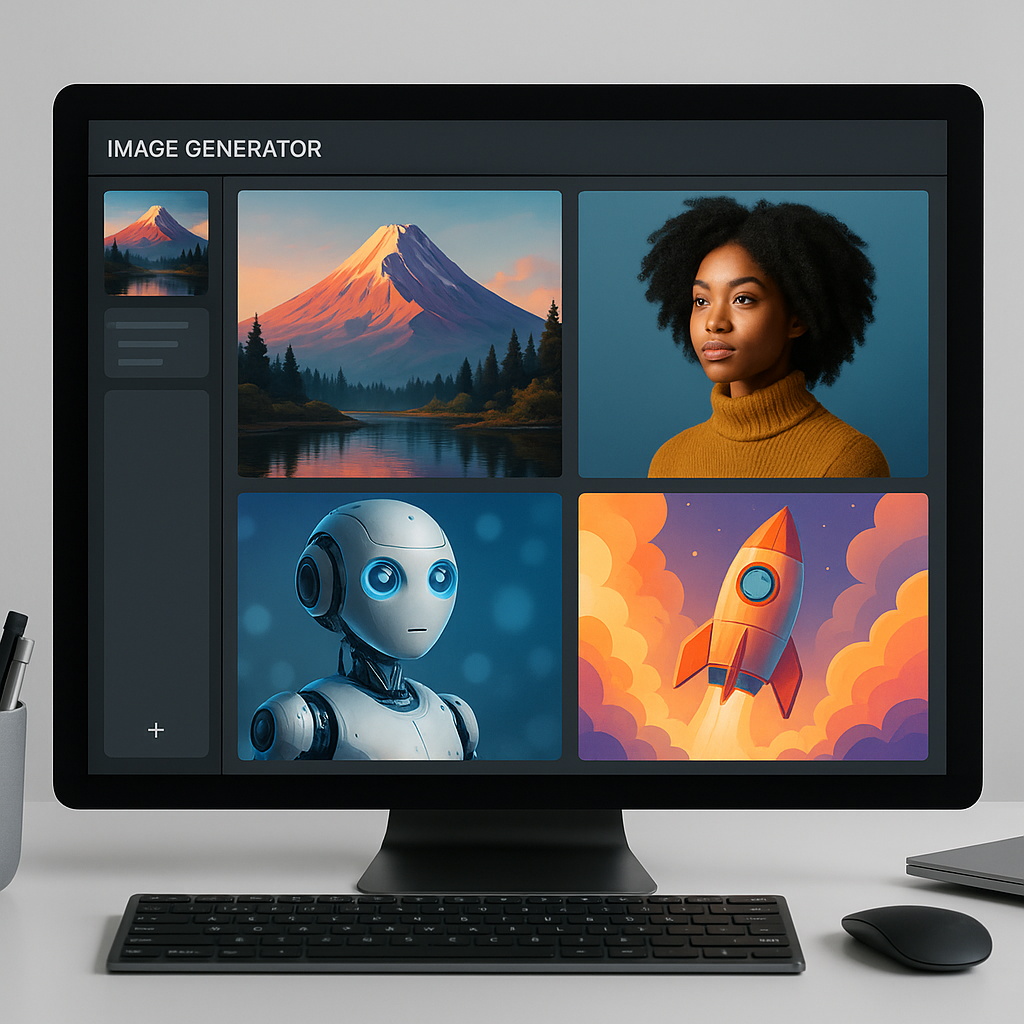
Image Generators
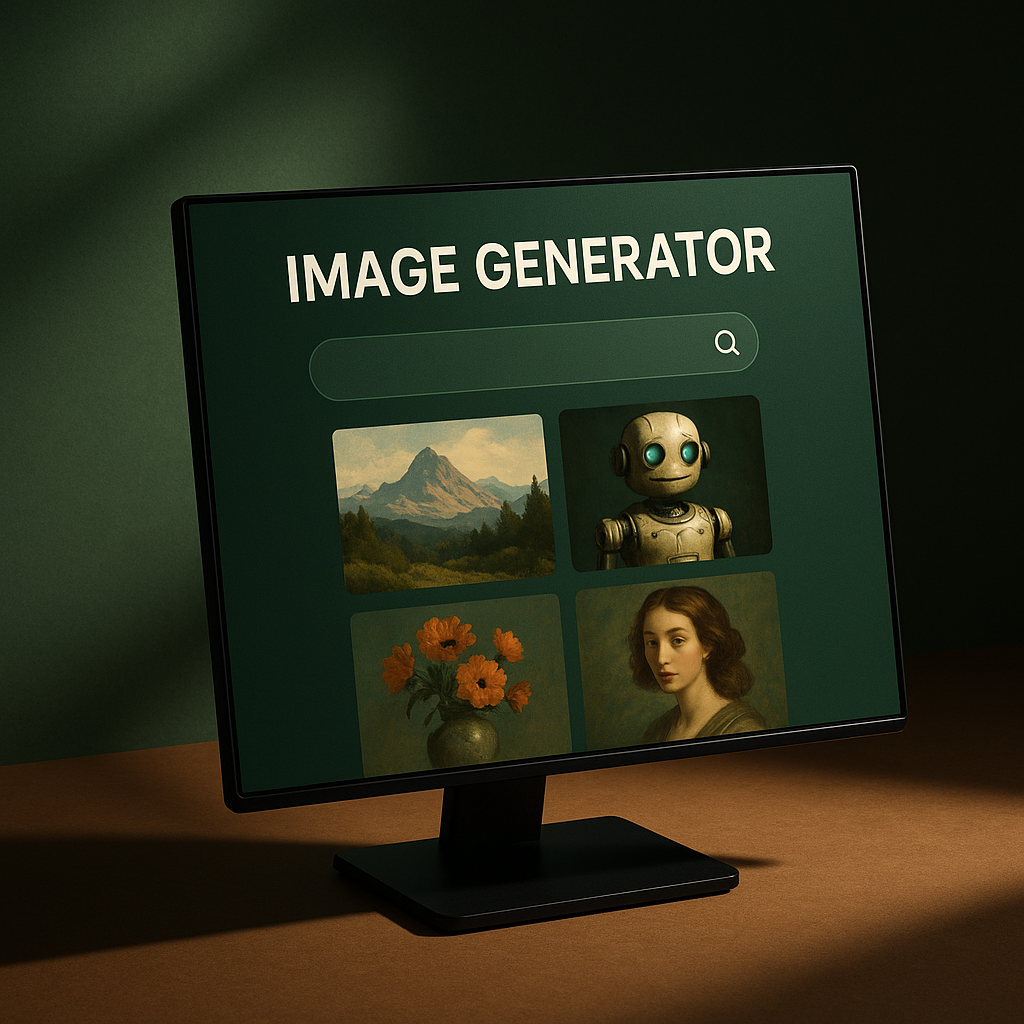
In recent years, image generators have surged into the limelight, transforming the way we create, consume, and interact with visual content. These sophisticated tools harness the power of artificial intelligence (AI) to generate images from text prompts, making it possible for anyone—from professional designers to casual users—to produce high-quality visuals without the need for extensive artistic skills. As the technology continues to evolve, its implications for various sectors, including advertising, entertainment, and education, are profound.
At the heart of this revolution are generative adversarial networks (GANs) and diffusion models, which are employed by leading image generation platforms such as DALL-E, Midjourney, and Stable Diffusion. These systems are trained on vast datasets comprising millions of images and corresponding textual descriptions, enabling them to understand and replicate the nuances of visual art. When a user inputs a textual description, the model interprets the text and generates a corresponding image, which can range from photorealistic to wildly abstract.
One of the most noteworthy aspects of image generators is their accessibility. With user-friendly interfaces, even those with limited technical expertise can create stunning visuals in mere moments. This democratization of art creation has sparked a wave of creativity across various fields. For instance, marketers are using these tools to generate unique ad visuals, thereby reducing costs and turnaround times. Likewise, content creators on social media platforms are leveraging AI-generated images to enhance their posts, attracting more engagement and followers.
However, the rise of image generators has also raised significant ethical and legal questions. The ease with which one can produce images has led to concerns about copyright infringement, particularly when AI generates work that closely resembles existing artwork. Artists and illustrators are voicing their apprehensions about their styles being replicated without consent or compensation. This dilemma has prompted discussions about the need for new copyright frameworks that can effectively address the challenges posed by AI-generated content.
Moreover, the potential for misuse is another pressing issue. There have been instances where AI-generated images have been employed to create deepfakes or misleading content, which can have serious ramifications for individuals and society as a whole. As a response, several platforms are implementing stricter guidelines and tools to watermark AI-generated images, ensuring transparency about their origins. The ongoing discourse surrounding these ethical considerations underscores the necessity for a balanced approach that nurtures innovation while protecting the rights and interests of creators.
In the realm of education, image generators are being embraced as powerful tools for learning. Educators are integrating these technologies into their curricula, allowing students to explore creative thinking and digital literacy. For example, students can generate historical scenes or scientific illustrations, fostering a deeper understanding of subjects through visual representation. This approach not only makes learning more engaging but also equips students with the skills needed to navigate an increasingly digital world.
As image generators become more sophisticated, we are witnessing a gradual shift in the creative landscape. Traditional artists are beginning to experiment with these tools, blending human creativity with AI capabilities. This fusion of artistry and technology has given rise to new genres and styles, challenging the conventional boundaries of art. In galleries around the world, exhibitions featuring AI-generated artwork are garnering significant attention, highlighting the potential for collaboration between humans and machines.
Furthermore, the gaming industry is also benefiting from advancements in image generation technology. Developers are using these tools to create expansive virtual worlds and lifelike characters, enriching the gaming experience for players. As image generators evolve, they are likely to play an even more pivotal role in game design, allowing for dynamic content generation that adapts to player choices and actions.
Looking ahead, the future of image generators seems promising yet fraught with challenges. As the technology continues to advance, we can expect improvements in the quality and diversity of generated images. However, the ongoing discussions about ethics, copyright, and the potential for misuse will need to be addressed comprehensively. Policymakers, artists, and technologists must collaborate to establish guidelines that encourage innovation while safeguarding the rights of creators.
Ultimately, image generators represent a significant leap forward in the realm of digital creativity. They hold the potential to not only enhance artistic expression but also reshape industries and educational approaches. As we navigate this new terrain, it is crucial to maintain a dialogue about the implications of these technologies, ensuring that they are harnessed for the benefit of society as a whole. The intersection of art and technology is an exciting space, and as we continue to explore it, the possibilities are limited only by our imagination.
Recent Posts
Head-to-Head: Comparing Top AI Models in Работа с Нейросетями and Their Impact
червень 16, 2026
Debunking Myths: The Realities of Работа с Нейросетями and AI Models Today
червень 16, 2026
Unlocking Creativity: A Simple Guide to Using Image Generators for Beginners
червень 16, 2026
Maximum Potential
Отримайте повний досвід із планом Pro
ІНФОРМАЦІЯ