червень 16, 2026
Unlocking Creativity: A Simple Guide to Using Image Generators for Beginners
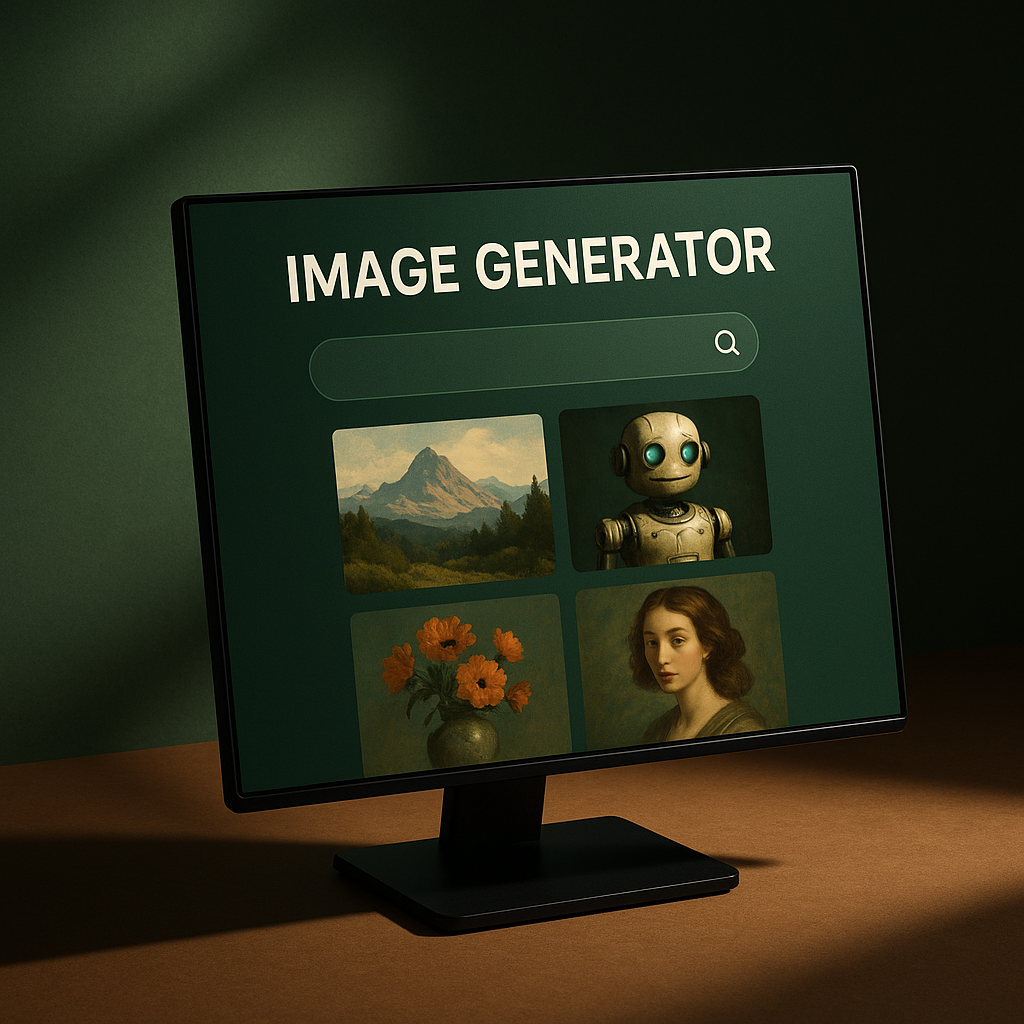
Image Generators
Image generators have taken the world by storm, making waves not only in the tech community but also among artists, marketers, and even casual users. These tools use advanced algorithms to create images from text prompts or existing images. To many, they may seem like magic, but there’s a lot of fascinating technology underneath. This article will explore what image generators are, how they work, and their growing impact on various industries.
What Is an Image Generator?
An image generator is a software application that creates visual content based on user inputs. Unlike traditional graphic design software where users manipulate images directly, image generators often rely on artificial intelligence (AI) to interpret textual descriptions and produce unique images. Users type in a prompt—perhaps "a sunset over a mountain range"—and the generator uses its trained model to craft an image based on that description.
How Do Image Generators Work?
The functioning of these tools can be boiled down to a few key concepts:
- Data Training: Image generators are trained using vast amounts of data. They analyse countless images paired with textual descriptions during this training phase. By doing so, they learn how words translate into visual elements.
- Neural Networks: These are complex systems inspired by the human brain that process information in layers. Neural networks help the image generator understand and interpret the relationships between words and visual features.
- Generating Images: Once trained, when you give an image generator a prompt, it synthesises new images based on its learned understanding of how different concepts relate visually.
This process allows for a remarkable level of creativity and flexibility; users can produce anything from realistic landscapes to abstract art simply by typing in some descriptive words.
The Technology Behind the Magic
The most widely known type of image generator uses a technology called Generative Adversarial Networks (GANs). In simple terms, two neural networks compete against each other: one generates fake images while the other evaluates them against real ones. Over time, this competition leads to the creation of increasingly realistic images. While GANs are popular, there are other architectures like diffusion models gaining attention as well.
Applications Across Different Sectors
The versatility of image generators has led to their adoption across various sectors:
- Art and Design: Artists can use image generators as brainstorming tools or even collaborators in creating unique pieces of art. They can generate multiple iterations quickly for inspiration without diving into the complexities of traditional design software.
- Marketing: Businesses leverage these tools to generate custom graphics for advertising campaigns or social media posts with minimal effort and cost. This rapid production capability allows brands to remain agile and responsive to trends.
- E-commerce: Retailers can create product mock-ups or lifestyle imagery without a full-scale photoshoot. This approach saves significant resources while offering diverse visual content for their online platforms.
- Gaming and Animation: Developers use AI-generated art for concept art or even character design in video games and animated films, speeding up production timelines significantly.
The Benefits of Using Image Generators
The advantages of incorporating image generators into workflows are numerous:
- Cuts Down Time: Creating detailed artwork or marketing materials traditionally takes hours or days; with these tools, it can be done in minutes.
- Cuts Down Costs: Hiring professional artists or photographers can be expensive; using an image generator reduces those costs significantly while still delivering high-quality visuals.
- Diversity in Output: Users can generate countless variations quickly, allowing for more experimentation than would typically be feasible through manual processes.
A Few Limitations
No tool is perfect, and it’s essential to acknowledge some limitations associated with using image generators:
- Lack of Control: While users can shape prompts to guide outputs, the results may not always match their vision precisely due to inherent unpredictability in AI interpretation.
- Sensitivity to Input Quality:If prompts are vague or poorly worded, generated images may also lack clarity or relevance.
Lacks Human Touch: The creative nuances present in human-crafted artwork might be missing when using AI-generated content; subtleties like emotion or style might not translate effectively through algorithms alone.
Your First Steps with Image Generators
If you’re interested in trying out an image generator yourself but don’t know where to start, follow these simple steps:
- Select a platform: There are several online services available such as DALL-E 2 by OpenAI or Midjourney that provide user-friendly interfaces aimed at beginners.
- Create an account: Most platforms will require you to sign up before you begin generating your own images. Some may offer free trials while others could have subscription fees depending on your usage needs.
- Craft your prompts: Begin with simple descriptions! As you become more comfortable navigating the tool’s capabilities—experiment with adjectives and context details—this will yield more impressive results over time!
The Future Of Image Generation
The growth potential for this technology seems limitless. As machine learning continues improving rapidly, we can expect even greater realism in generated outputs alongside broader applications across industries—especially within education environments where visuals enhance learning experiences! However important ethical conversations surrounding copyright issues involving AI creations must accompany these advancements too; ensuring responsible usage remains paramount moving forward is vital!
No matter your interest level—from budding hobbyists wanting fresh artwork ideas—all professionals should consider exploring innovative avenues emerging today; whether crafting personalized hashtags showcasing talent creating bespoke designs marketing products/services alike opens doors previously thought unattainable! So why not dive right into today? Explore new worlds waiting just beyond tips fingertips!
Recent Posts
Head-to-Head: Comparing Top AI Models in Работа с Нейросетями and Their Impact
червень 16, 2026
Debunking Myths: The Realities of Работа с Нейросетями and AI Models Today
червень 16, 2026
Unpacking the Data: How Image Generators Are Shaping Creative Industries Today
червень 16, 2026
Maximum Potential
Отримайте повний досвід із планом Pro
ІНФОРМАЦІЯ