лютий 25, 2026
Unlocking Creativity: How Image Generators are Revolutionising Digital Art in 2023
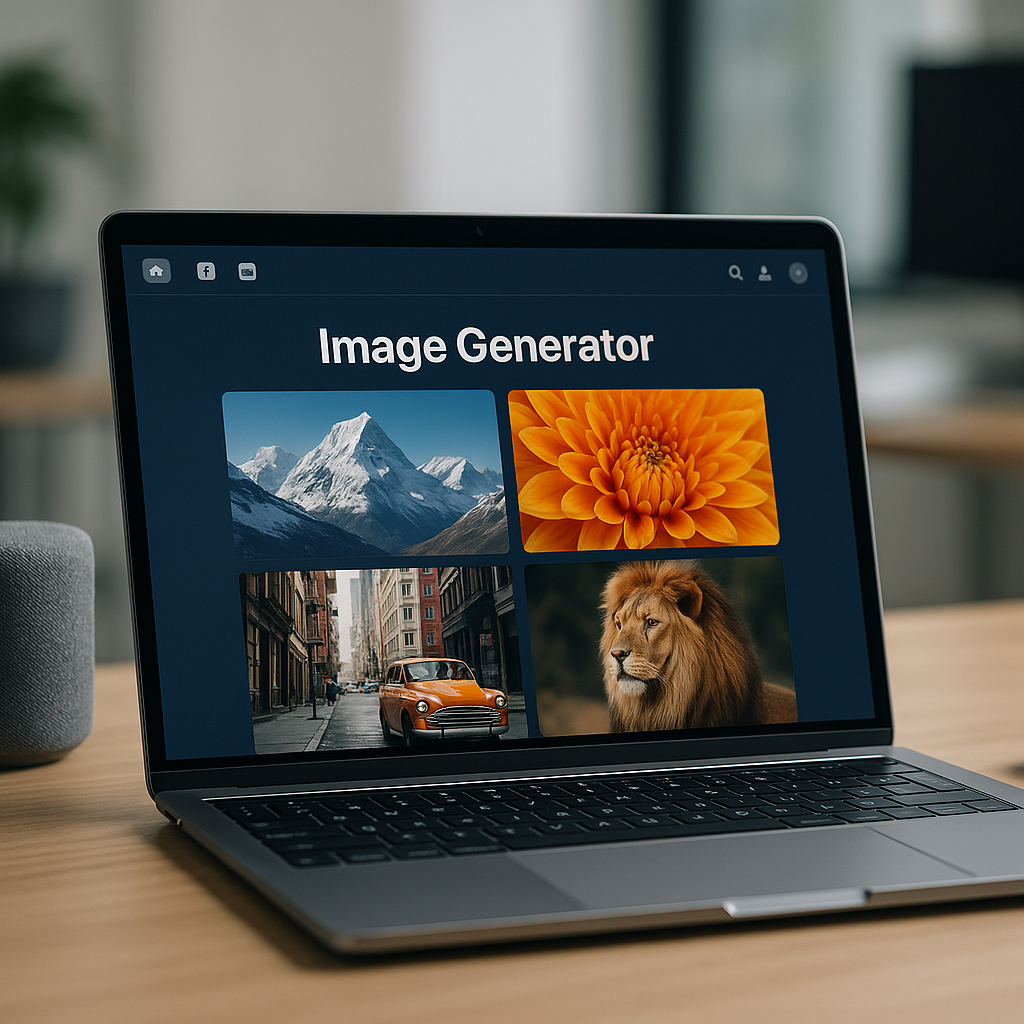
Image Generators
In recent years, the digital landscape has been revolutionised by the emergence of image generators, sophisticated tools powered by artificial intelligence (AI) that create visuals from textual descriptions. These innovations have captured the imagination of artists, marketers, and technologists alike, transforming the way we approach creativity and visual communication. As the technology continues to evolve, it is essential to understand its implications, applications, and the ethical considerations that accompany it.
At the heart of image generation is a subset of AI known as generative adversarial networks (GANs). This technology involves two neural networks working in tandem: one generates images while the other evaluates them, providing feedback to improve quality. This iterative process allows for the creation of highly detailed and lifelike images, often indistinguishable from those produced by human artists. Popular examples of image generators include OpenAI's DALL-E, Midjourney, and Stable Diffusion, each offering unique features and capabilities that cater to different user needs.
The applications of image generators are vast and varied. In the realm of advertising, companies are leveraging these tools to create compelling visuals for campaigns without the need for extensive photoshoots or graphic design teams. For instance, a marketing team can input a simple description of a product, and the image generator will produce a series of images that capture the essence of that product in various settings. This not only saves time and resources but also allows for rapid prototyping of creative concepts.
Moreover, the entertainment industry has begun to embrace image generators as well. Video game developers are utilising these tools to design characters and environments, enhancing the creative process and enabling them to explore new artistic directions. Additionally, filmmakers are experimenting with AI-generated imagery for concept art and storyboarding, allowing for a more fluid and dynamic approach to visual storytelling.
In the art world, image generators are creating a new dialogue about creativity and authorship. Artists are increasingly using these tools to supplement their work, blending traditional techniques with AI-generated elements. This fusion raises intriguing questions about the nature of artistry—if an AI can produce visually stunning images, what does that mean for human creativity? Some artists embrace the technology as a collaborative partner, while others express concern over the potential devaluation of human artistry.
Despite the myriad benefits, the rise of image generators is not without its challenges. One significant concern is the issue of copyright and intellectual property. As AI creates images based on vast datasets, often including works created by human artists, the question of ownership becomes murky. Who owns the rights to an image generated by an AI? Is it the developer of the AI, the user who input the text, or the original artists whose work contributed to the training data? Legal frameworks are struggling to keep pace with these developments, leading to ongoing debates in the creative community.
Furthermore, there are ethical implications associated with the use of image generators. The potential for misuse is a pressing issue; AI-generated imagery can be used to create misleading or harmful content, including deepfakes and misinformation. The responsibility lies not just with the developers of these technologies but also with the users who employ them. As image generators become more accessible, it is crucial for individuals and organisations to consider the ethical ramifications of their use.
Another important aspect to consider is the environmental impact of AI technologies. Training large models requires significant computational power, which in turn consumes substantial energy. As concerns about climate change intensify, the tech industry faces scrutiny regarding the sustainability of its practices. Developers are beginning to explore ways to make image generation more energy-efficient, but this remains an ongoing challenge.
In response to these challenges, some platforms are implementing guidelines and best practices for the ethical use of image generators. For example, OpenAI has established usage policies designed to mitigate harmful applications, while other companies are engaging with the artistic community to foster a responsible approach to AI-generated content. These measures aim to strike a balance between innovation and responsibility, ensuring that the technology serves as a tool for creativity rather than a source of conflict.
Looking to the future, it is clear that image generators will continue to evolve, pushing the boundaries of what is possible in visual creation. As the technology advances, we may see even more realistic and complex images, possibly incorporating elements such as motion or interactivity. This presents exciting opportunities for industries ranging from fashion to education, where bespoke visual content can be generated on demand.
Moreover, as the dialogue around AI and creativity deepens, we may witness a shift in how society values and appreciates art. With image generators democratizing access to visual creation, a broader array of voices and perspectives may emerge in the artistic landscape. This could lead to a richer cultural tapestry, where the interplay between human and machine-generated art sparks new movements and trends.
In conclusion, image generators represent a significant advancement in the realm of artificial intelligence, with the potential to reshape industries and redefine the concept of creativity. While they offer numerous benefits, it is essential to navigate the accompanying challenges thoughtfully, addressing ethical concerns, copyright issues, and environmental impacts. As we stand on the brink of this new frontier, the collaborative future between humans and AI in the creative process holds remarkable promise, paving the way for innovation and artistic expression that is more inclusive and diverse than ever before.
Recent Posts
Head-to-Head: Comparing Top AI Models in Работа с Нейросетями and Their Impact
червень 16, 2026
Debunking Myths: The Realities of Работа с Нейросетями and AI Models Today
червень 16, 2026
Unlocking Creativity: A Simple Guide to Using Image Generators for Beginners
червень 16, 2026
Maximum Potential
Отримайте повний досвід із планом Pro
ІНФОРМАЦІЯ