March 21, 2026
Unlocking Creativity: How Image Generators Are Revolutionizing Art and Design
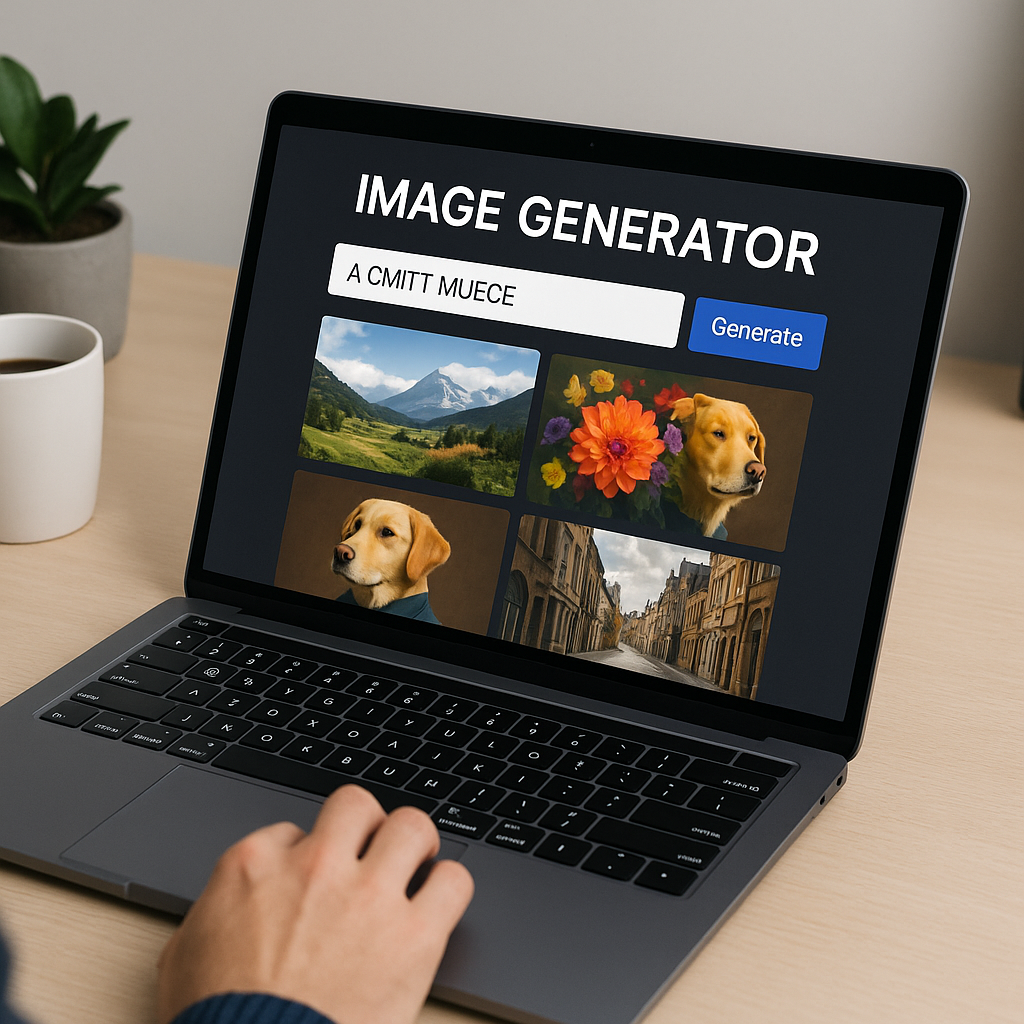
Image Generators
In recent years, image generators have emerged as a transformative force within the realms of art, design, and technology. These sophisticated systems, powered by artificial intelligence (AI) and machine learning, have reshaped the creative landscape, enabling users to produce high-quality images from simple text prompts. As the technology evolves, it raises intriguing questions about creativity, authorship, and the future of visual arts.
At the heart of image generators are advanced algorithms that analyze vast datasets of images and their corresponding descriptions. Models like OpenAI's DALL-E, Midjourney, and Stability AI's Stable Diffusion utilize deep learning techniques to create images that range from photorealistic to whimsical and abstract. These tools have democratized access to image creation, allowing individuals without formal artistic training to generate stunning visuals with just a few clicks.
The user interface of most image generators is straightforward and user-friendly. Users typically input a text description or a prompt, which the AI interprets to produce an image that reflects the given criteria. For instance, a prompt like "a serene landscape with rolling hills under a sunset" could yield a myriad of stunning visuals, each uniquely crafted by the algorithm. The ease of use has attracted a diverse audience, from hobbyists and marketers to professional artists and designers.
One of the most captivating aspects of image generators is their ability to produce images that challenge traditional notions of creativity. The technology raises pertinent questions about authorship—who is the true creator of an image generated by AI? Is it the programmer who designed the algorithm, the user who provided the input, or the AI itself? This debate has prompted discussions in the art community, with some viewing the technology as a tool that enhances human creativity, while others see it as a threat to artistic integrity.
As these tools gain popularity, they have also sparked ethical considerations. The potential for misuse is significant; individuals could use image generators to create misleading or harmful content. The ease with which realistic images can be produced has implications for misinformation, particularly in an era where deepfakes and manipulated visuals can sway public opinion. In response, several developers have implemented safeguards and guidelines to mitigate risks, ensuring that their technology is used responsibly.
The art world has begun to embrace image generators, with some artists incorporating these tools into their creative processes. A growing number of exhibitions showcase artwork created by AI, prompting audiences to reconsider what constitutes art. The collaboration between human and machine has led to innovative projects that blend traditional techniques with digital generation, pushing the boundaries of artistic expression.
Furthermore, businesses are recognizing the potential of image generators in commercial applications. From creating marketing materials to designing product prototypes, these tools offer a cost-effective solution for generating high-quality visuals. Companies can quickly produce tailored imagery, reducing the time and resources traditionally required for graphic design. As a result, the integration of AI-generated images in branding strategies is becoming increasingly common, reshaping how businesses communicate visually.
Despite the rapid advancements in image generation technology, challenges remain. The quality of generated images can vary significantly, and while some outputs are breathtaking, others may fall short of expectations. Additionally, issues surrounding copyright and intellectual property are still being navigated. As the technology progresses, legal frameworks will need to adapt to address these complexities, ensuring that creators are protected while fostering innovation.
The impact of image generators transcends the artistic and commercial spheres, reaching into education and accessibility. By providing users with the ability to create visual content without specialized skills, these tools can enhance learning experiences and promote inclusivity. Students and educators can leverage image generators for projects, presentations, and creative assignments, making visual storytelling more accessible to all.
As we look to the future, the potential applications of image generators appear limitless. In the realm of gaming, for instance, developers can utilize AI-generated art to create immersive environments and characters, saving time and resources while enhancing the gaming experience. Similarly, the fashion industry is exploring the use of image generators to design clothing and accessories, allowing for rapid prototyping and experimentation.
However, as this technology continues to evolve, it is crucial for society to engage in ongoing discussions about its implications. The balance between innovation and ethics will play a significant role in shaping the future of image generation. Stakeholders, including artists, technologists, and policymakers, must collaborate to create frameworks that promote responsible use while encouraging creativity and exploration.
In conclusion, image generators represent a fascinating intersection of technology and creativity, challenging our perceptions of art and authorship. As these tools become more integrated into our daily lives, they offer exciting possibilities while also prompting important ethical discussions. The journey of image generators is just beginning, and their evolution will undoubtedly continue to captivate and inspire, pushing the boundaries of what is possible in visual arts and beyond.
Recent Posts
Breakthrough in Neural Networks: How New AI Models Revolutionize Global Tech
June 16, 2026
Head-to-Head: Comparing Neural Network Models and Their Impact on AI Work Today
June 16, 2026
New Breakthrough in Image Generators Promises to Revolutionize Artistic Expressi...
June 16, 2026

Maximum Potential
Get the full experience with Pro Plan
INFORMATION