April 20, 2026
Unlocking Creativity: How Image Generators Are Revolutionizing Digital Art
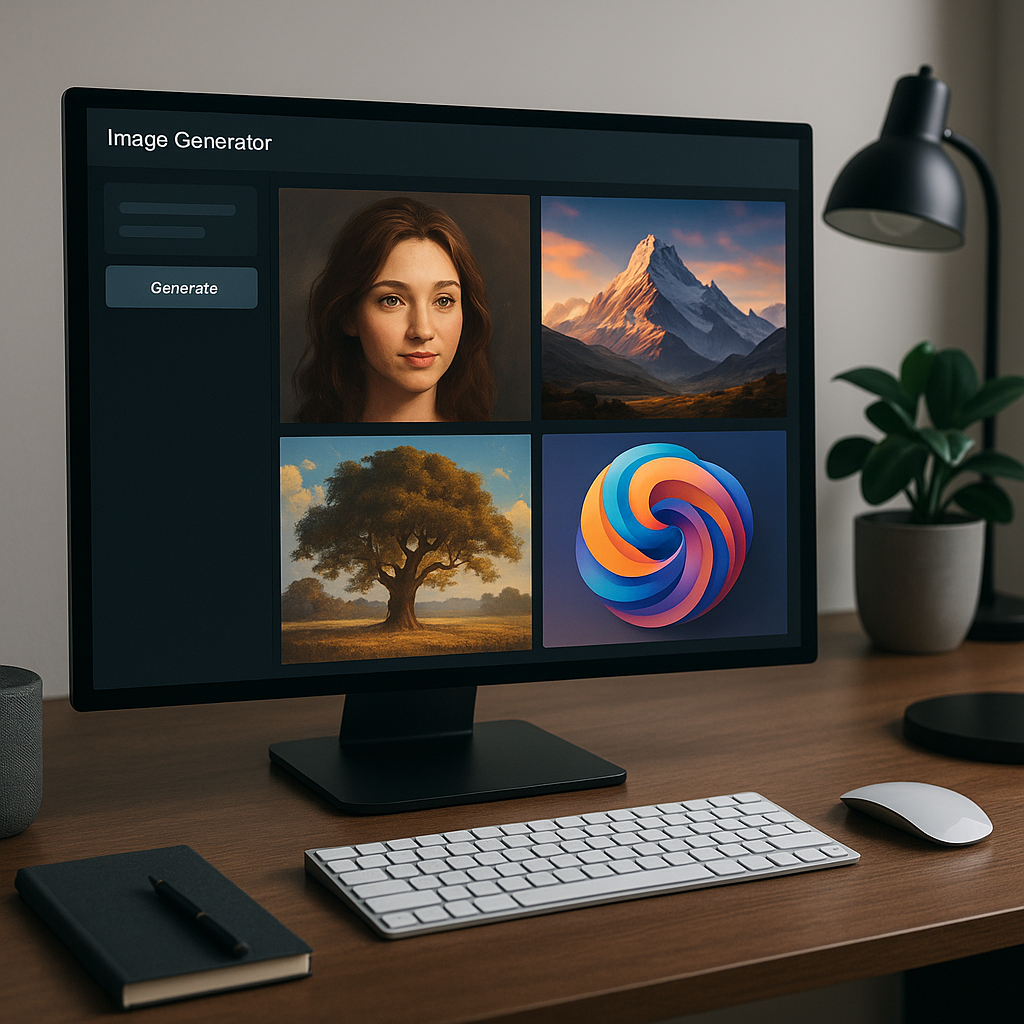
Image Generators
In recent years, image generators have surged into the public and commercial consciousness, revolutionizing the way individuals and businesses create visual content. These sophisticated software tools utilize advanced algorithms, including artificial intelligence and machine learning, to produce images based on textual descriptions or other input data. As technology continues to evolve, the implications of image generators extend far beyond mere novelty, intertwining with various sectors such as advertising, art, gaming, and social media.
One of the most notable advancements in this domain is the emergence of Generative Adversarial Networks (GANs), which have significantly enhanced the capabilities of image generation. GANs consist of two neural networks, the generator and the discriminator, that work in tandem. The generator creates images while the discriminator evaluates them, providing feedback that allows the generator to refine its output. This iterative process enables the creation of highly realistic images that often challenge the boundaries of human perception.
Platforms like OpenAI's DALL-E, Midjourney, and Stability AI's Stable Diffusion have taken the world by storm, enabling users to generate high-quality images with simple text prompts. For instance, a user can type "a sunset over a futuristic city," and the algorithm will produce a striking visual that captures that description. This democratization of creativity allows individuals without artistic skills to craft unique visuals, making it easier for anyone to participate in the visual arts.
The applications of image generators are vast and varied. In the advertising industry, companies are leveraging these tools to produce eye-catching graphics quickly and cost-effectively. Traditional methods of hiring photographers, graphic designers, or illustrators can be time-consuming and expensive. With image generators, businesses can produce tailored marketing materials in a fraction of the time, allowing for more agile responses to market trends.
Moreover, the gaming industry is also witnessing a transformation as developers utilize image generators to create assets, characters, and environments. Rather than relying solely on human artists, game studios can use these technologies to brainstorm concepts and generate initial designs. This not only expedites the development process but also encourages creativity by providing a broader range of visual possibilities.
In the realm of social media, influencers and content creators are harnessing image generators to enhance their visual storytelling. With platforms emphasizing the importance of engaging imagery, the ability to produce unique and tailored visuals can significantly increase user engagement and followers. Creators can now experiment with different styles, themes, and concepts without the need for extensive resources, thus expanding their creative horizons.
However, the rise of image generators is not without its controversies and challenges. One of the most pressing concerns is the potential for misuse. The ability to create hyper-realistic images raises questions about authenticity and the potential for manipulating public opinion. Deepfakes, for example, have already demonstrated the dangers of using AI-generated content to mislead or deceive audiences. As the technology becomes more accessible, the risk of generating misleading or harmful content could increase, prompting calls for regulations and ethical guidelines.
Moreover, the implications for artists and designers cannot be overlooked. As image generators become more prevalent, there is a growing fear of diminishing job opportunities for traditional artists. While some view these tools as a means to enhance creativity, others worry that the value of human artistry could be undermined. The debate surrounding the role of AI in creative fields is ongoing, with some advocating for a collaborative approach where technology complements human input rather than replaces it.
Intellectual property issues also arise with the use of image generators. As these tools often learn from existing artworks, there are concerns regarding copyright infringement and the ownership of generated images. Who holds the rights to an image created by an algorithm trained on thousands of other images? This question remains largely unanswered, and as image generation technology continues to evolve, legal frameworks will need to adapt accordingly.
Despite the challenges, the potential of image generators is immense. Industries are beginning to recognize their capabilities and are integrating them into their workflows. Educational institutions are also starting to incorporate these technologies into their curricula, preparing the next generation of creatives to work alongside AI tools. By fostering an understanding of how to use image generators responsibly, future artists can leverage these technologies to enhance their creative processes.
In a world increasingly dominated by digital content, the role of image generators is set to grow. As these tools become more sophisticated and accessible, they will likely transform not only how we create but also how we perceive art and design. The intersection of creativity and technology promises exciting possibilities for innovation, collaboration, and expansion in the visual arts.
As we move forward, it is essential for stakeholders—from artists to technologists—to engage in conversations about the ethical implications of image generation. By establishing guidelines and fostering responsible use, the creative community can harness the power of these tools while preserving the integrity and value of human artistry. The future of image generation is bright, and with careful consideration and collaboration, it can lead to a new era of creativity that embraces innovation while honoring tradition.
Recent Posts
Breakthrough in Neural Networks: How New AI Models Revolutionize Global Tech
June 16, 2026
Head-to-Head: Comparing Neural Network Models and Their Impact on AI Work Today
June 16, 2026
New Breakthrough in Image Generators Promises to Revolutionize Artistic Expressi...
June 16, 2026
Maximum Potential
Get the full experience with Pro Plan
INFORMATION