March 25, 2026
Unlocking Creativity: How Image Generators are Transforming Digital Art in 2023
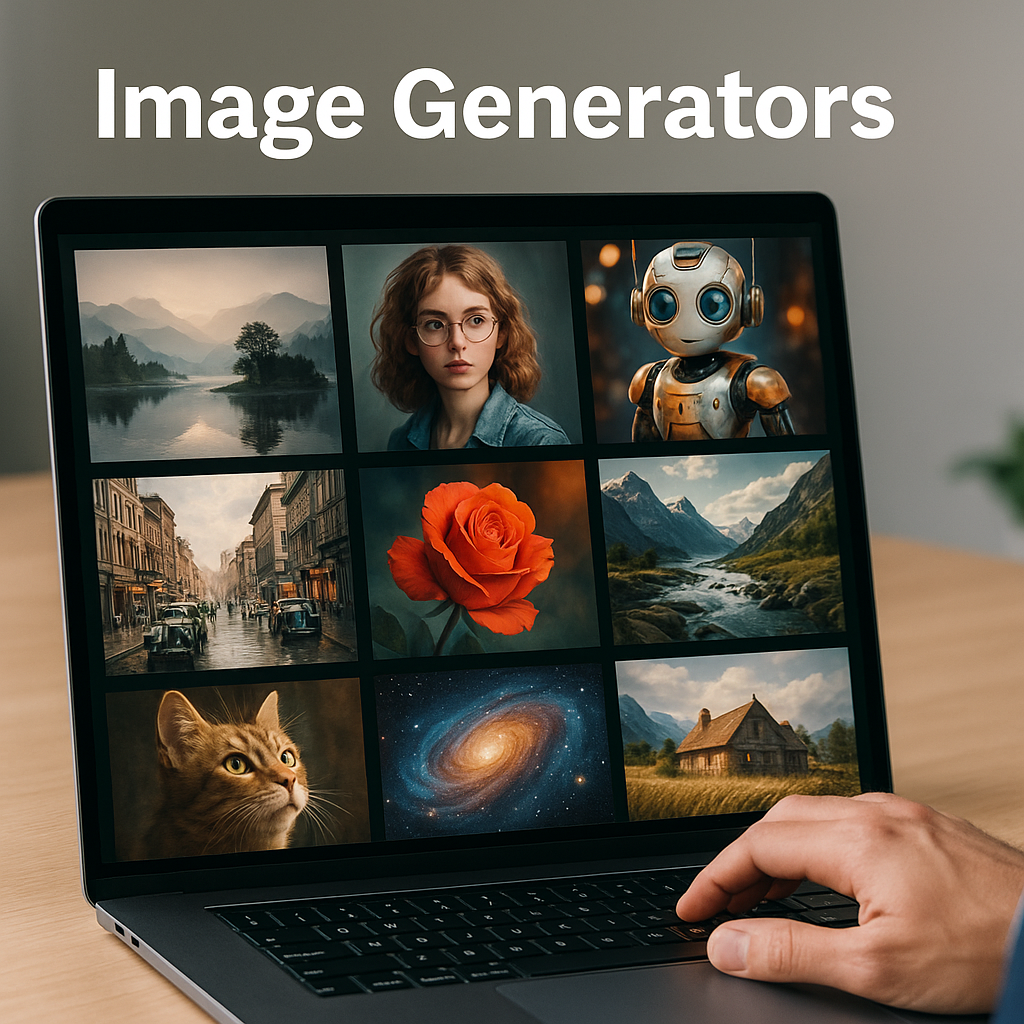
Image Generators
In recent years, the rapid advancement of artificial intelligence (AI) has led to the emergence of image generators, sophisticated tools capable of creating stunning visual content from simple text prompts. These technologies harness deep learning algorithms, particularly generative adversarial networks (GANs), to produce images that can range from hyper-realistic portraits to abstract art. As these tools have gained popularity among artists, marketers, and content creators, they are reshaping the landscape of visual media and sparking discussions about creativity, copyright, and the future of art.
Image generators operate by learning from vast datasets of images and their associated textual descriptions. During training, the models analyze thousands, if not millions, of images to understand the relationships between visual features and descriptive language. Once trained, these systems can generate new images based on user inputs, offering a creative tool that has both fascinated and perplexed the public.
One of the most prominent examples of an image generator is OpenAI's DALL-E, which has garnered significant attention for its ability to create imaginative and intricate images from textual descriptions. Users can input phrases like "a two-headed flamingo wearing a top hat" and receive a unique image that embodies that concept, often with surprising creativity and detail. Other notable platforms include Midjourney and Stable Diffusion, each with its unique strengths and user communities.
The applications of image generators are vast and varied. In the realm of advertising and marketing, businesses leverage these tools to create eye-catching visuals tailored to specific campaigns without the need for extensive graphic design resources. This democratization of image creation allows small businesses and individual entrepreneurs to compete with larger organizations by quickly generating high-quality images that resonate with their target audiences.
Artists, too, are exploring the potential of image generators as a new medium for creative expression. Many are using these tools to enhance their work, combining traditional techniques with AI-generated imagery to produce novel art forms. Some artists view these generators as collaborators rather than competitors, engaging with the technology to push the boundaries of their creativity. The result is a fascinating blend of human artistry and machine learning that challenges traditional notions of authorship and originality.
However, the rise of image generators has not been without controversy. One major concern revolves around copyright and intellectual property. As these systems learn from existing images, questions arise about the ownership of the generated content. If an image generator creates an artwork based on copyrighted material, who holds the rights to that new creation? Artists and legal experts are grappling with these issues, as existing copyright laws often do not address the complexities introduced by AI-generated content.
Furthermore, the potential for misuse of image generators adds another layer of complexity. The technology can be exploited to create misleading or harmful images, such as deepfakes, which can manipulate public perception or damage reputations. As a result, there is a growing call for ethical guidelines and regulations surrounding the use of AI in creative fields. Experts emphasize the importance of developing frameworks that promote responsible use while fostering innovation.
Despite these challenges, the ongoing evolution of image generators signifies a pivotal moment in the intersection of art and technology. As these tools become more accessible and user-friendly, their impact on creative industries will likely continue to expand. Educational institutions and art programs are beginning to incorporate AI technologies into their curricula, preparing the next generation of artists to work alongside these emerging tools.
Moreover, the social implications of image generators cannot be overlooked. As the public becomes increasingly accustomed to AI-generated content, perceptions of authenticity and value in art may shift. Consumers may begin to appreciate the novelty of AI-generated images, leading to new trends in art consumption. This shift could also influence how artists market their work and engage with their audiences, potentially creating new avenues for collaboration and interaction.
The future of image generators is still unfolding, filled with possibilities that could redefine our understanding of creativity itself. As technology continues to advance, we can expect improvements in the quality and versatility of generated images, making them an even more integral part of various industries. Furthermore, as AI becomes more adept at understanding context and nuance, the generated images may begin to reflect deeper emotional resonances and cultural significances, enhancing their relevance in contemporary discussions about art and society.
In conclusion, image generators represent a fascinating convergence of art and technology, offering new avenues for creativity while raising important ethical and legal questions. As these tools continue to evolve and permeate various sectors, they challenge traditional notions of authorship and originality. The ongoing dialogue surrounding their use will be crucial in navigating the balance between innovation and responsibility. As we stand on the brink of this new frontier in visual creation, it is clear that image generators are set to play a transformative role in the future of art and media.
Recent Posts
Breakthrough in Neural Networks: How New AI Models Revolutionize Global Tech
June 16, 2026
Head-to-Head: Comparing Neural Network Models and Their Impact on AI Work Today
June 16, 2026
New Breakthrough in Image Generators Promises to Revolutionize Artistic Expressi...
June 16, 2026
Maximum Potential
Get the full experience with Pro Plan
INFORMATION