March 27, 2026
Unlocking Creativity: How Image Generators are Transforming Digital Art in 2023
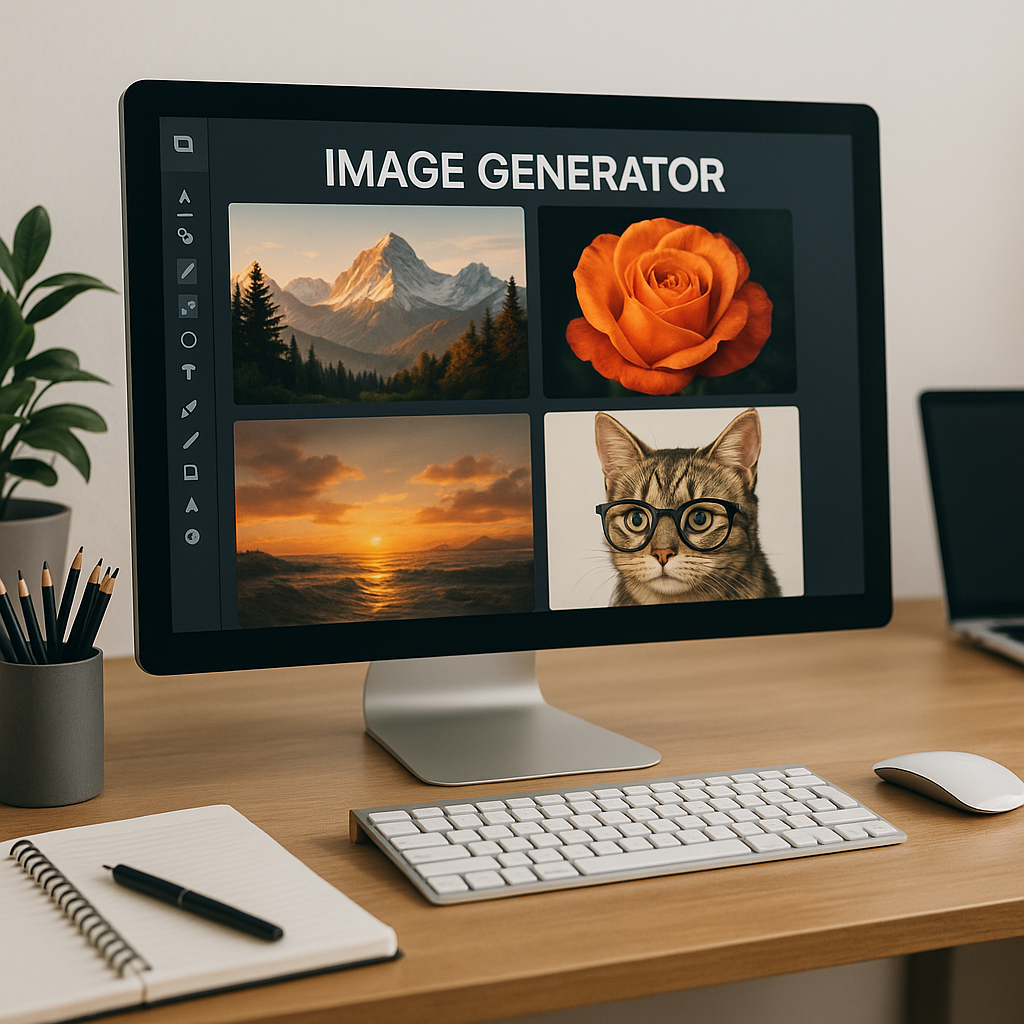
Image Generators
In recent years, the rise of artificial intelligence (AI) has transformed various industries, and one of the most fascinating developments has been the emergence of image generators. These sophisticated tools leverage machine learning algorithms to create images from textual descriptions, revolutionizing the way content is produced and consumed. As technology continues to advance, image generators are not only reshaping artistic expression but also influencing sectors such as marketing, gaming, and even education.
At the heart of these image generators lies a neural network framework, often referred to as Generative Adversarial Networks (GANs). GANs consist of two neural networks, the generator and the discriminator, which work in tandem to create realistic images. The generator produces images based on input data, while the discriminator evaluates them against real images, providing feedback that helps the generator improve over time. This iterative process results in the generation of increasingly convincing images that can be hard to distinguish from actual photographs.
Among the most notable image generators is OpenAI's DALL-E, which gained significant attention for its ability to create intricate images from textual prompts. Users can input phrases like "an armchair in the shape of an avocado," and DALL-E generates unique visuals that match the description. Such capabilities have sparked both excitement and debate in artistic circles, as creators ponder the implications of AI-generated art on traditional practices and the definition of creativity itself.
Another prominent player in this field is Midjourney, an independent research lab that has developed a platform allowing users to create stunning visuals through simple text prompts. Midjourney has garnered a dedicated following, particularly among designers and artists looking for inspiration or rapid prototyping. The platform's community aspect enables users to share their creations and techniques, fostering collaboration and innovation.
As these tools become more accessible, the democratization of art creation is one of the most profound impacts of image generators. Previously, artistic skills like drawing or graphic design were barriers for many who wanted to engage with visual content. Now, individuals without formal training can produce compelling images, leading to a surge in creativity and expression across diverse demographics. This shift raises questions about ownership and authorship, as the line between human and machine-generated content becomes increasingly blurred.
In the realm of marketing, companies are swiftly adopting image generators to create tailored visuals for advertising campaigns. The ability to quickly produce images that resonate with target audiences can significantly reduce costs and time associated with hiring photographers or graphic designers. Brands can generate multiple iterations of an image to test which resonates best, allowing for data-driven decisions that enhance engagement and conversion rates.
Gaming is another sector experiencing a transformation due to image generators. Developers can utilize these tools to create assets, characters, and environments more efficiently, streamlining the design process. This not only accelerates game development timelines but also opens up possibilities for smaller studios that may lack the resources to hire large teams of artists. By harnessing AI, these developers can focus on narrative and gameplay while letting the technology handle visual aspects.
However, the rise of image generators is not without its challenges. Concerns surrounding copyright infringement and the potential for misuse are at the forefront of discussions among artists, legal experts, and policymakers. As AI-generated images become more prevalent, the question of who owns the rights to these creations becomes increasingly complex. Current copyright laws may not adequately address the nuances of AI-generated content, leading to calls for legislative reforms to protect both human artists and AI developers.
Moreover, there are ethical implications related to the use of image generators. The potential for creating deepfakes or misleading visuals raises concerns about misinformation and the erosion of trust in visual media. As image generators become more sophisticated, distinguishing between real and generated images may become increasingly difficult, prompting discussions on the need for transparency and ethical guidelines in the deployment of such technologies.
Despite these challenges, the potential of image generators to enhance creativity and streamline workflows cannot be overlooked. Educational institutions are beginning to incorporate these tools into their curriculums, teaching students how to leverage AI for creative projects. This integration prepares the next generation of artists and designers to work alongside AI, fostering an understanding of how technology can complement human creativity rather than replace it.
Looking ahead, the future of image generators appears bright. As machine learning models continue to evolve, we can expect even more advanced capabilities, including improved resolution, style transfer, and the ability to generate 3D images and animations. These advancements will likely further blur the lines between human creativity and machine-generated art, creating new opportunities and challenges in the artistic landscape.
In conclusion, image generators represent a pivotal development in the intersection of art and technology. They empower individuals to express themselves creatively, provide businesses with innovative marketing solutions, and challenge our understanding of authorship and creativity. As these tools evolve, it will be crucial for society to navigate the ethical and legal implications while embracing the potential for enhanced creativity and collaboration between humans and machines. The dialogue surrounding image generators is just beginning, and as technology progresses, so too will our understanding of its impact on the world of visual art.
Recent Posts
Breakthrough in Neural Networks: How New AI Models Revolutionize Global Tech
June 16, 2026
Head-to-Head: Comparing Neural Network Models and Their Impact on AI Work Today
June 16, 2026
New Breakthrough in Image Generators Promises to Revolutionize Artistic Expressi...
June 16, 2026
Maximum Potential
Get the full experience with Pro Plan
INFORMATION