April 9, 2026
Unlocking Creativity: How Image Generators Are Transforming Digital Art in 2023
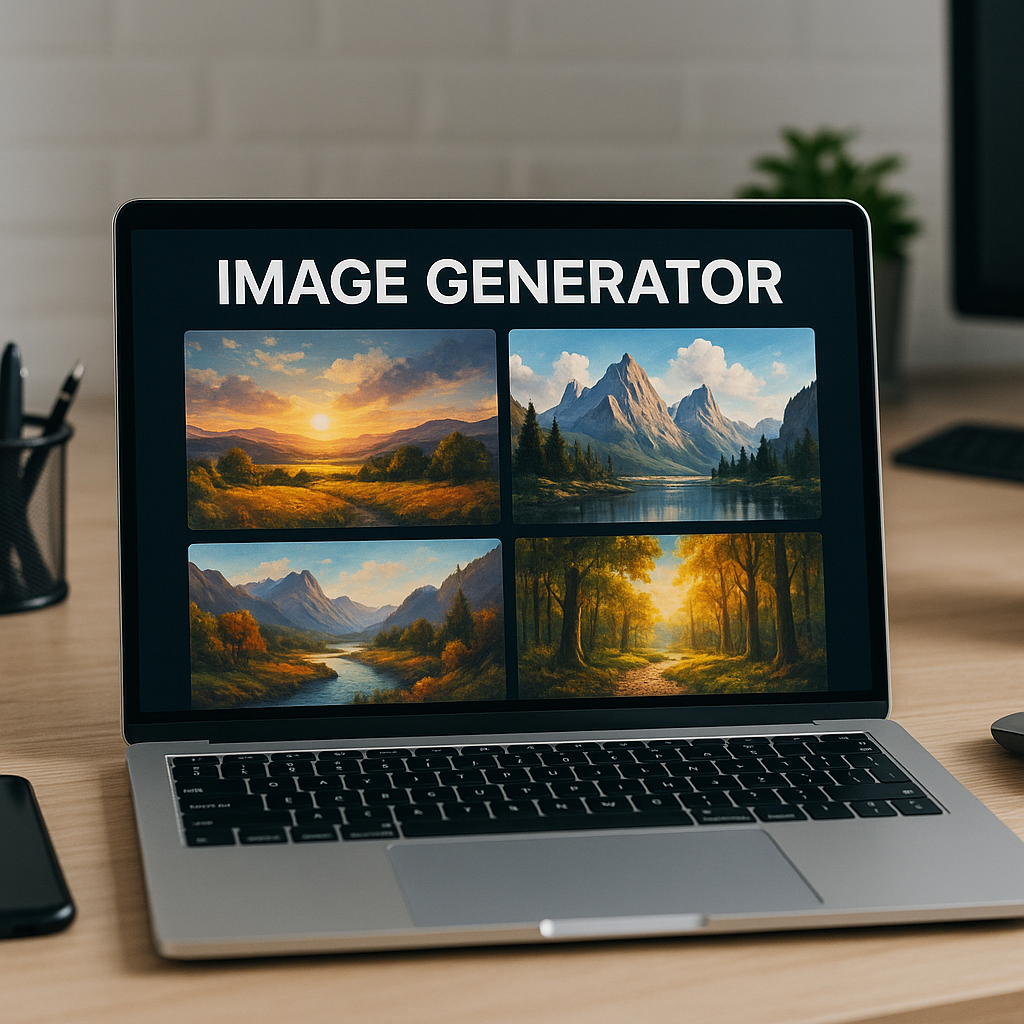
Image Generators
In recent years, image generators have surged in popularity, transforming the landscape of digital art, design, and media creation. These advanced tools, powered by artificial intelligence (AI) and machine learning algorithms, enable users to create stunning visuals with minimal input. The technology has not only democratized art creation, allowing individuals without formal training to produce professional-quality images, but it has also raised important discussions about copyright, creativity, and the future of visual arts.
At the heart of these image generators are deep learning models, particularly Generative Adversarial Networks (GANs) and diffusion models. GANs consist of two neural networks—the generator and the discriminator—that work in opposition to produce new images. The generator creates images, while the discriminator evaluates them against real images. This iterative process continues until the generator produces images that are indistinguishable from real photographs. On the other hand, diffusion models work by gradually adding noise to an image and then training the model to reverse this process, effectively reconstructing images from random noise. Both methods have contributed to the photorealistic quality of generated images, creating a buzz in various sectors.
The applications of image generators are vast and varied. In the world of marketing and advertising, businesses are utilizing these tools to create unique visuals for campaigns, saving both time and cost. Content creators on platforms like Instagram and TikTok are harnessing the power of image generators to produce eye-catching graphics that resonate with their audiences. Additionally, industries such as gaming and animation are exploring these technologies to develop characters and environments, expanding creative possibilities beyond traditional methods.
One notable example of an image generator making headlines is OpenAI’s DALL-E, which gained widespread attention for its ability to generate imaginative and often surreal images from simple text prompts. Users can input descriptions, and the AI interprets them creatively, producing visuals that range from the whimsical to the hyper-realistic. Similarly, Midjourney, another prominent player in the field, has captivated users with its focus on artistic styles and aesthetics, allowing creators to generate images that reflect specific artistic movements or genres.
The rapid advancement of these technologies has prompted discussions about the implications of AI-generated art on the creative community. Critics argue that the proliferation of image generators may undermine the value of human creativity and craftsmanship. Artists and designers express concerns that the ease of generating images might lead to a devaluation of original works, as consumers may opt for AI-generated visuals over those created by human hands.
However, proponents of image generators argue that these tools are not replacements for human artists but rather collaborators that can enhance creativity. Many artists are beginning to integrate AI tools into their workflows, using them to brainstorm ideas, explore new concepts, or even refine their techniques. This intersection of human creativity and machine assistance is leading to the emergence of a new art form that blends traditional methods with innovative technologies.
While the creative potential is exciting, the rise of image generators has also sparked debates over copyright and intellectual property. Questions arise about who owns the rights to an image generated by AI. Is it the user who provided the prompts, the creators of the algorithms, or perhaps no one at all? Legal frameworks around copyright are struggling to keep pace with technological advancements, and as a result, the art community is left navigating uncharted waters. Potential solutions include establishing clearer guidelines on AI-generated content, which would protect both artists and the rights of those utilizing image generators.
Moreover, the ethical implications of image generation cannot be overlooked. With the ability to create hyper-realistic images, there is a growing concern about the misuse of this technology. Deepfakes, for instance, utilize similar technology to create misleading videos and images that can have serious implications for privacy, security, and misinformation. As image generators become more sophisticated, the potential for misuse also increases, prompting calls for regulations and ethical standards to govern their use.
As the landscape of image generation continues to evolve, tech companies are investing heavily in developing new models and refining existing ones. The competition is fierce, with various platforms offering different functionalities and artistic styles. This rapid innovation is leading to a proliferation of tools available to the public, including free and subscription-based options, making it easier than ever for users to experiment with these technologies.
In education, image generators are making their mark as well. Schools and universities are beginning to incorporate AI tools into their curricula, teaching students the fundamentals of AI, machine learning, and their applications in creative fields. By introducing students to these technologies, educators aim to equip the next generation with the skills needed to navigate an increasingly digital and automated world.
Looking ahead, the future of image generators appears bright yet complex. As technological advancements continue to push the boundaries of what is possible, society must grapple with the challenges and opportunities presented by AI-generated content. The dialogue surrounding creativity, ownership, and ethics will likely shape the development and integration of these tools in various fields.
In conclusion, image generators are not merely a passing trend; they represent a significant shift in how we create and consume visual content. While they pose challenges to traditional notions of creativity and authorship, they also open the door to new forms of artistic expression and collaboration. As technology progresses, it is essential for artists, technologists, and policymakers to engage in constructive conversations that ensure the responsible and ethical use of these powerful tools, fostering an environment where both human creativity and AI can thrive together.
Recent Posts
Breakthrough in Neural Networks: How New AI Models Revolutionize Global Tech
June 16, 2026
Head-to-Head: Comparing Neural Network Models and Their Impact on AI Work Today
June 16, 2026
New Breakthrough in Image Generators Promises to Revolutionize Artistic Expressi...
June 16, 2026
Maximum Potential
Get the full experience with Pro Plan
INFORMATION