червень 9, 2026
Unpacking the Data: How Image Generators Are Shaping Industry Trends in 2023
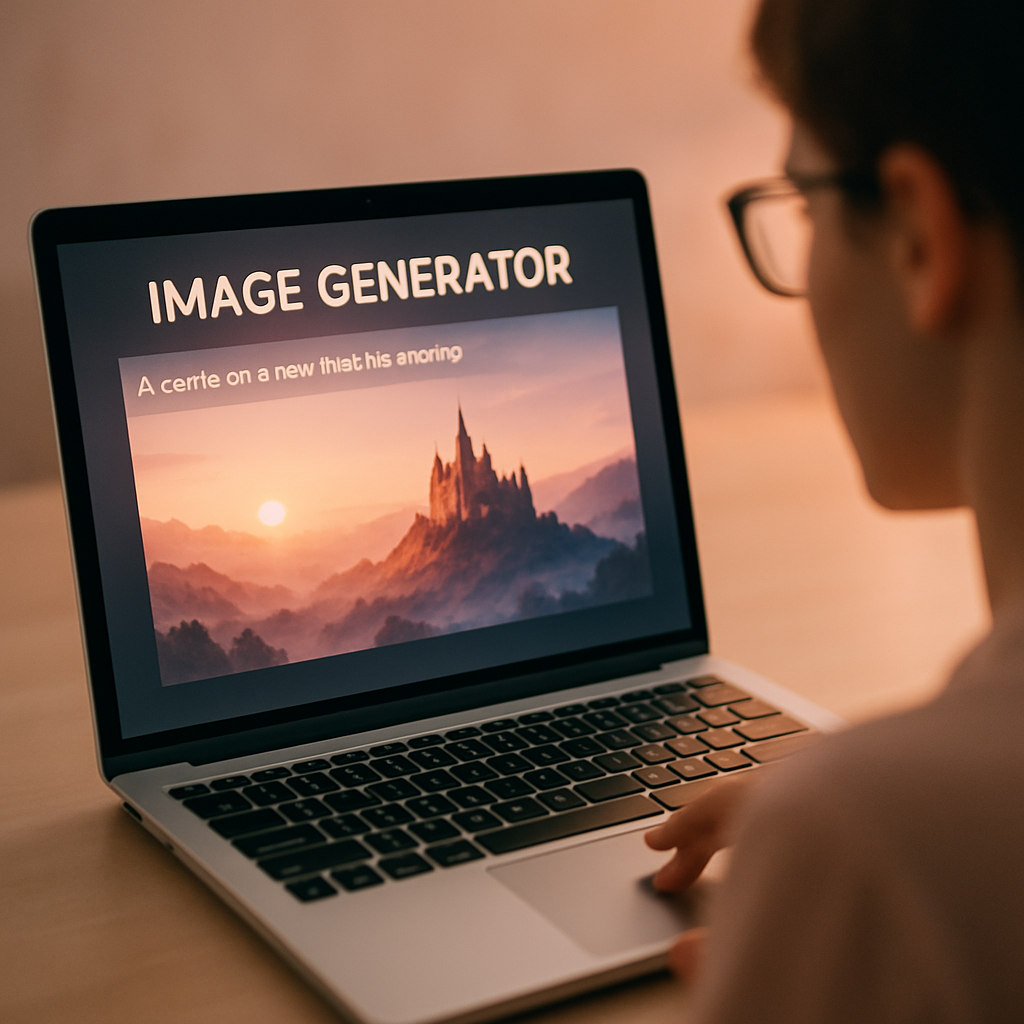
Image Generators
The rise of image generators has marked a significant shift in the creative landscape, transforming how industries approach design, marketing, and content creation. These AI-driven tools harness deep learning algorithms to produce high-quality images from textual prompts, enabling users to generate artwork, marketing materials, and even entire websites with unprecedented ease. In this article, we will delve into the current trends surrounding image generators, exploring their impact across various sectors, market growth statistics, and potential future developments.
Market Growth and Industry Adoption
The global market for image generators is booming. According to a report by Statista, the market size for AI-generated media is projected to reach approximately £2.5 billion by 2025, reflecting a compound annual growth rate (CAGR) of over 20% from 2023 onwards. This rapid expansion can be attributed to several factors: increased accessibility of advanced technology, growing demand for visual content in digital marketing, and rising utilisation in fields like gaming and entertainment.
Companies across various sectors are integrating image generators into their workflows. For instance, the advertising industry is leveraging these tools to create visually striking campaigns without the need for extensive resources or lengthy production timelines. A recent survey indicated that more than 63% of marketing professionals currently use image generation technology to optimise their campaigns.
Moreover, smaller businesses have begun adopting these technologies as affordability improves. Platforms such as DALL-E by OpenAI and Midjourney have democratized access to cutting-edge capabilities that were once reserved for large corporations with hefty budgets.
Sector-Specific Applications
Image generators are finding applications across numerous sectors:
- Fashion: Designers are using AI-generated images to prototype new clothing lines quickly. Brands like Hugo Boss have experimented with creating virtual models wearing digitally designed outfits.
- Gaming: Game developers utilise image generators for concept art and environment development. This not only streamlines the design process but also allows for an exponential increase in creativity.
- E-commerce: Retailers are generating product images tailored to specific audiences or seasonal trends without needing extensive photoshoots.
- Publishing: Authors are employing these tools for book covers or promotional materials, allowing independent writers greater freedom and control over their branding.
The versatility of image generators is evident in how they can adapt to various formats—be it abstract art or realistic photography—and meet the demands of different industries simultaneously.
User Experience and Technology Evolution
The user experience offered by modern image generation platforms has improved dramatically over time. Early iterations of these technologies required users to possess some technical know-how; however, contemporary solutions boast intuitive interfaces reminiscent of popular graphic design software. Educational platforms now offer tutorials on how best to leverage these tools effectively.
A notable feature in recent advances is customisation capabilities. Users can fine-tune generated images using sliders that adjust style attributes such as colour palette or level of abstraction. This incorporation of user feedback into the generative process enhances satisfaction and increases engagement with the technology.
This evolution reflects a broader trend within artificial intelligence: moving towards more collaborative systems where human creativity merges seamlessly with machine learning capabilities. The result is not just greater efficiency but also unique outputs that may not be achievable through traditional means alone.
Sustainability Concerns
A study conducted by MIT reported that training state-of-the-art image generation models could emit as much carbon dioxide as five cars during their operational lifespan. This raises questions about balancing innovation against environmental responsibility as companies weigh their enthusiasm for adopting new technologies against potential ecological impacts.
In response, some organisations have initiated efforts aimed at reducing carbon footprints associated with AI operations through renewable energy investments or optimising model architectures for efficiency gains without sacrificing performance quality.
Future Directions
- Evolving Ethical Guidelines: As use cases expand beyond commercial aspects towards personal expression (e.g., social media), ethical considerations regarding authorship rights and copyright will necessitate clear regulations from governing bodies.
- Merging Technologies: We may see an integration between 3D modelling tools alongside 2D generation processes leading towards dynamic content generation that encompasses animated elements within existing frameworks—opening avenues previously thought impossible!
- A Focus on Interactivity: Future developments might lead us toward interactive storytelling experiences powered by real-time generated visuals based on audience input—a collaboration between consumers’ desires and artists' visions could revolutionise narratives altogether!
The trajectory suggests that while challenges exist concerning ethics and sustainability within this burgeoning field—opportunities abound too! Image generators hold transformative power capable of redefining creativity itself; understanding how they evolve will be vital in shaping tomorrow’s artistic landscapes across varied domains worldwide!
Recent Posts

Maximum Potential
Отримайте повний досвід із планом Pro
ІНФОРМАЦІЯ