May 23, 2026
What’s Next for Image Generators? Key Predictions for the Coming Year
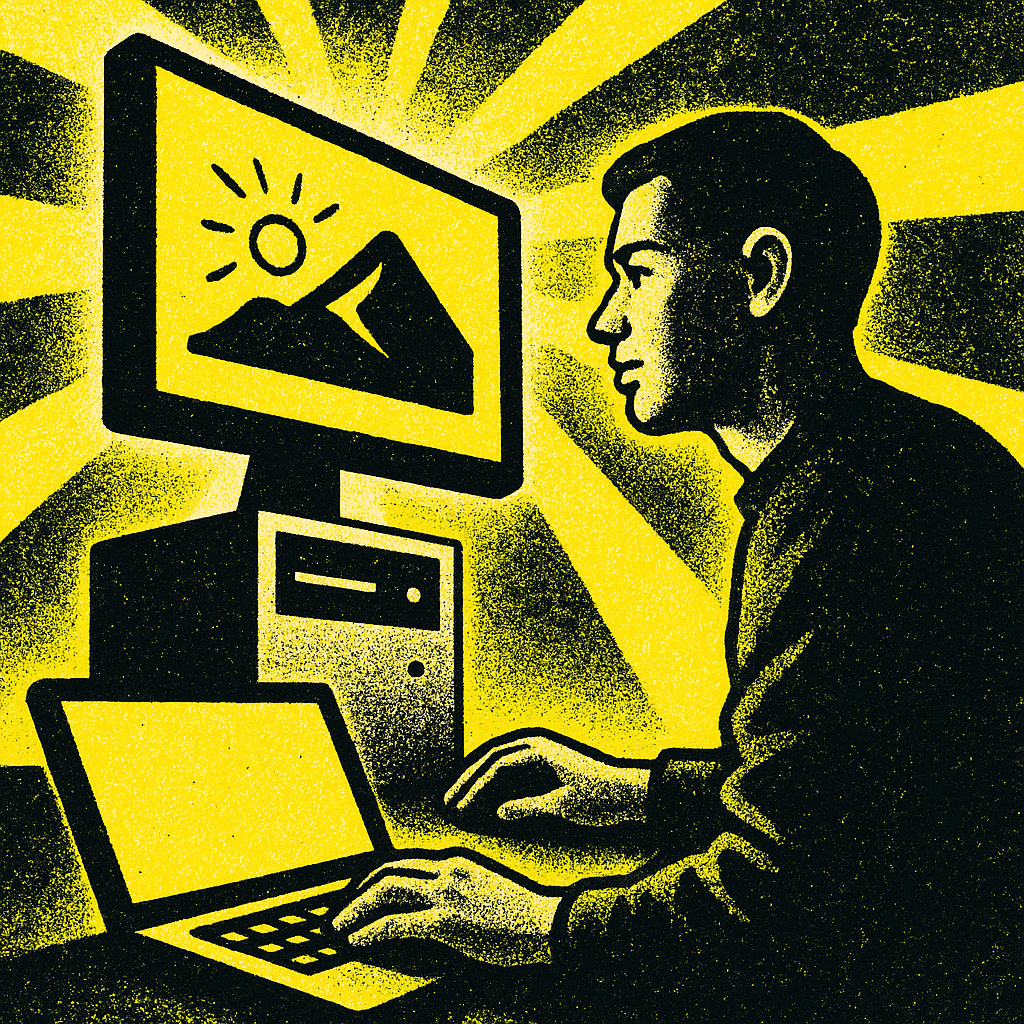
Image Generators
As we move into the next year, the landscape of image generation technology is set to experience significant transformations. With advancements in artificial intelligence and machine learning, image generators are evolving at a rapid pace, reshaping industries ranging from entertainment to education. This article explores predictions and outlooks for image generators over the next 12 months, focusing on the implications for businesses, artists, and consumers alike.
The Rise of AI-Powered Creativity
One of the most notable trends expected in the coming year is the increased adoption of AI-powered creativity tools. Companies are integrating sophisticated image generation capabilities into their workflows, enabling designers and marketers to produce high-quality visuals with minimal effort. By utilizing deep learning algorithms, these tools can generate images that are not only visually appealing but also tailored to specific audience preferences.
For businesses, this means a paradigm shift in how visual content is created. The traditional model of hiring graphic designers for every project may soon be supplemented or even replaced by automated solutions that can churn out multiple designs within minutes. As companies seek to up their content game while minimizing costs, image generators will become essential assets.
Enhanced Personalization Capabilities
As personalization becomes increasingly important across all sectors, image generators are poised to play a pivotal role in this trend. In 2024, expect enhanced algorithms that leverage user data to create highly customized visuals. For example, e-commerce platforms might employ these technologies to generate product images that reflect a shopper’s unique preferences and past behaviors.
- User Interactivity: Future developments may also include interactive features where users can adjust parameters to influence generated images in real-time.
- A/B Testing: Businesses may use different versions of generated images for A/B testing purposes to determine which visuals resonate more effectively with their target demographics.
This level of customization will not only enhance customer engagement but could also lead to higher conversion rates as brands deliver visuals that speak directly to individual consumer desires.
The Democratization of Art Creation
As access to advanced image generation tools increases, we anticipate a democratization of art creation over the next year. Platforms offering user-friendly interfaces for non-professionals will emerge, allowing anyone with an internet connection to produce artwork that previously required years of training.
This shift poses interesting questions about intellectual property rights and originality in art. With more people generating images using similar platforms and algorithms, discussions about what constitutes original work will grow more complex. Artists may need to adapt by embracing collaboration with AI rather than viewing it purely as competition.
Potential Ethical Challenges
Despite positive advancements, the rise of image generators also brings ethical concerns that will likely be at the forefront during 2024. Issues like copyright infringement, misinformation through manipulated imagery, and misuse by malicious actors pose risks that society must navigate carefully.
- Misinformation: The ability to create hyper-realistic images could lead to challenges regarding trust in media and advertising. As deepfakes become indistinguishable from reality, discerning authentic content from manipulative representations will be crucial.
- Copyright Issues: As generative models learn from vast datasets including copyrighted works without proper attribution or licensing agreements, creators may need new frameworks for protecting their intellectual property rights.
The industry may see initiatives aimed at establishing ethical guidelines governing the use of AI-generated content as stakeholders grapple with these challenges head-on.
The Role of Industry Players
Major tech companies are anticipated to expand their investments in image generator technology throughout 2024. Google and OpenAI have already begun leading this charge with innovations like DALL-E and Imagen respectively; however, smaller startups are quickly emerging as challengers by bringing unique functionalities tailored towards niche markets or specific applications such as gaming or architecture design.
This competition is likely not only to fuel innovation but also foster partnerships between established players and newcomers seeking expertise or resources necessary for scaling their products effectively within saturated markets.
The Demands from Various Sectors
The demand for image generators is expected to vary significantly across different sectors:
- Entertainment: In film production and video games development, real-time rendering capabilities powered by advanced AI imagery will help studios create stunning graphics faster and more cost-effectively than ever before.
- E-commerce: Retail websites looking for attention-grabbing product displays will increasingly rely on dynamic image generation techniques that allow customers visualizations before they make purchasing decisions.
- E-learning: Educational platforms might utilize these tools by creating engaging infographics or illustrations based on lesson objectives — thereby enhancing comprehension among learners through visual aids customized according individual needs!
A Look Ahead: Key Predictions for 2024
- The development of hybrid models combining traditional artistry with machine-generated components will flourish as artists experiment creatively alongside automation tools this year ahead!
- Larger-scale implementations across marketing campaigns leveraging real-time data analysis coupled with personalized imagery generation engines will emerge dramatically impacting ROI metrics achieved site-wide!
- A focus on regulation surrounding deepfake technologies could culminate legislative efforts targeting usage parameters reflecting public sentiment toward safeguarding authenticity online more broadly!
In conclusion, as we step into 2024 anticipating advancements within the realm of Image Generators—it’s clear they hold immense potential not just transforming creative industries but fundamentally altering how humans interact visually within digital spaces ultimately redefining collaboration itself! Stakeholders must remain vigilant navigating opportunities presented while addressing ethical implications arising simultaneously ensuring an equitable future accessible equally among all participants skilled irrespective traditional boundaries!
Recent Posts
Breakthrough in Neural Networks: How New AI Models Revolutionize Global Tech
June 16, 2026
Head-to-Head: Comparing Neural Network Models and Their Impact on AI Work Today
June 16, 2026
New Breakthrough in Image Generators Promises to Revolutionize Artistic Expressi...
June 16, 2026

Maximum Potential
Get the full experience with Pro Plan
INFORMATION