травень 31, 2026
A Journey Through Time: Key Milestones in Image Generator Evolution
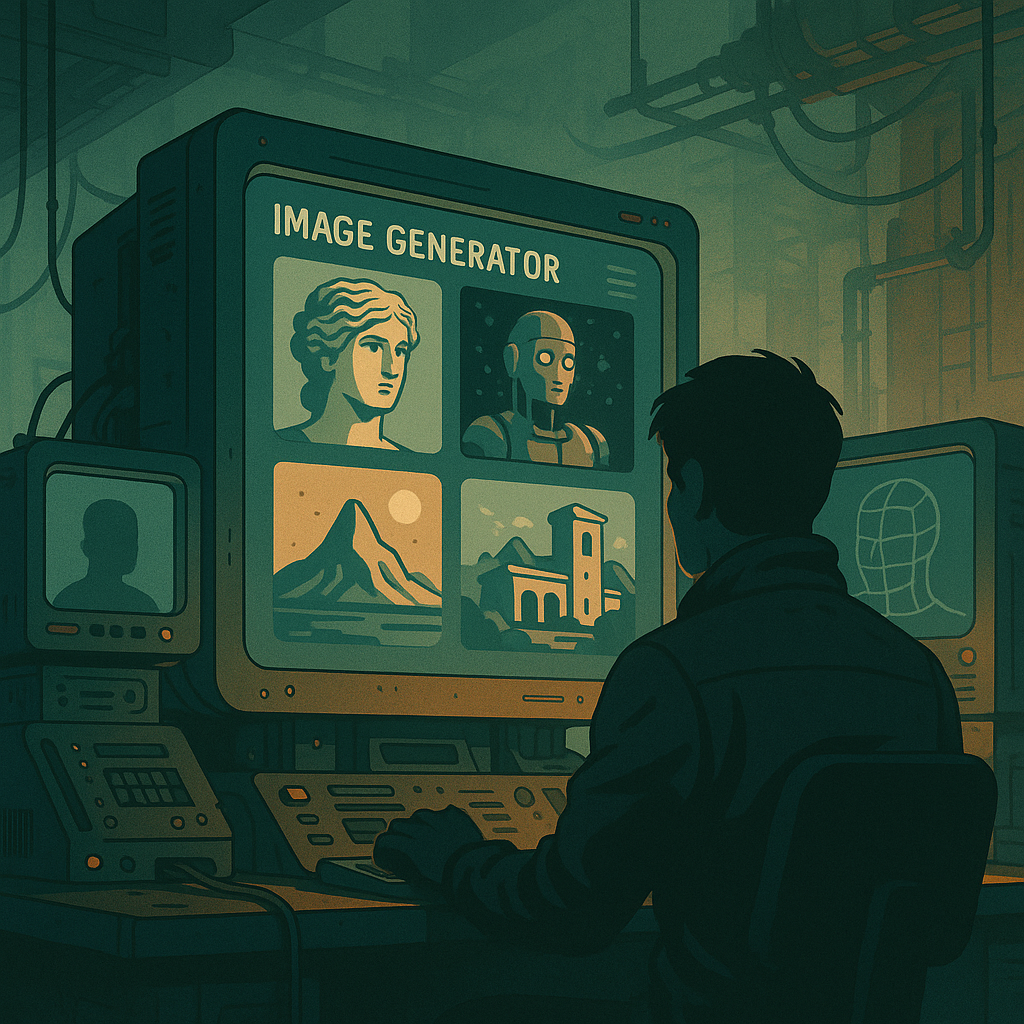
Image Generators
The evolution of image generators has rapidly transformed the landscape of digital art and design, especially in recent years. This remarkable journey reflects significant technological advancements, cultural shifts, and the growing interplay between artificial intelligence and creativity. Below is a detailed timeline of key developments in the field of image generators, showcasing how they have come to reshape creative processes across various industries.
2014: The Dawn of GANs
The concept of Generative Adversarial Networks (GANs) was introduced by Ian Goodfellow and his team at the University of Montreal in 2014. This breakthrough technology laid the groundwork for future image-generating systems. GANs operate using two neural networks—the generator and the discriminator—that contest with each other to create increasingly realistic images. This marked a pivotal moment in machine learning, enabling machines to produce novel images based on training data.
2018: StyleGAN Revolutionizes Image Generation
In 2018, NVIDIA released StyleGAN, which significantly improved the quality and diversity of generated images. This architecture allowed for more control over stylistic attributes, making it possible to generate high-resolution portraits that appeared remarkably lifelike. The release fuelled not just academic interest but also commercial applications, as businesses began to explore how they could leverage AI for creative purposes.
2020: Rise of Text-to-Image Synthesis
As AI continued its rapid development, researchers began focusing on text-to-image synthesis—creating images from textual descriptions. OpenAI's DALL-E was unveiled in January 2021 as a remarkable example of this technology. By allowing users to input phrases describing desired visuals, DALL-E demonstrated how AI could create imaginative artwork that did not exist before. This opened up new avenues for content creators across industries such as advertising, gaming, and film.
2021: Advancements with MidJourney
MidJourney emerged as a noteworthy player in mid-2021 by offering an accessible platform for users to generate stunning visuals through simple prompts. Its user-friendly interface attracted amateurs and professionals alike who sought quick solutions for visual content creation without needing extensive graphic design skills. MidJourney’s ability to produce stylised images further enhanced its appeal within creative communities.
2022: Widespread Adoption and Ethical Concerns
The year 2022 saw a surge in popularity for various image generators like DALL-E 2 and Stable Diffusion—techniques fostering creative exploration among artists globally while also raising ethical concerns around copyright issues and misuse potential. As these technologies became more integrated into artistic workflows, discussions around the implications of AI-generated art intensified. Artists began questioning their role in a landscape where computers could mimic human creativity so convincingly.
Q&A With Experts on Current Trends
- How are professionals incorporating image generators into their work?
Many artists now use image generators as tools rather than replacements—a way to brainstorm ideas or create backdrops that inspire further manual work.
- What are some notable collaborations between AI technologies and creatives?
A variety of fashion designers utilise AI-generated designs during fashion weeks while graphic novels are beginning to feature pages created using these tools alongside traditional illustrations.
- Aren’t there concerns regarding originality?
This remains one of the most contentious points; however, many argue that as long as humans curate or modify outputs from AI systems creatively—originality can still be preserved.
August 2023: Industry Innovations Drive New Applications
The advancements made by companies such as Adobe integrating AI features into their Creative Cloud suite now allow artists unprecedented flexibility when crafting visual pieces. In August 2023, Adobe’s Firefly showcased capabilities blending user inputs with sophisticated contextual understanding—permitting adjustments not merely based on prompts but also through mood boards or thematic choices curated by users preemptively.
This period also highlighted live demonstrations where interactive installations employed real-time responses drawn from audience interaction with previous artworks produced via generative methods—a move towards immersive experiences reflecting society’s increasing fascination with hybrid creativity involving both human intuition alongside machine efficiency.
The Future Landscape: What Lies Ahead?
The trajectory suggests further integration between traditional artistry techniques merged seamlessly with advanced algorithms steering future artistic landscapes toward unexplored territories involving augmented reality (AR) interfaces marrying virtual spaces filled predominantly through generative engines harnessing collective collaborative efforts globally offering unprecedented forms yet unseen within conventional practices thus creating pathways back towards authenticity grounded firmly within humanity’s inherent need for identity expression unrivalled throughout generations past alike paving roads ahead enveloped deeper challenges around ownership delineated against creativity boundaries blurred evermore fluidly amidst burgeoning tech advancements witnessed today marking inflection points hence forth explored persistently going forward cultivating partnerships evolving concurrently shaping artistic dialogues traversed continually onwards.
The growth seen in recent years demonstrates that image generators have gone from academic curiosities to essential tools shaping modern digital culture. As these technologies continue evolving at breakneck speed toward broader applications across sectors—the conversations surrounding ethics, ownership rights intertwined within artistic realms will only become more critical necessitating ongoing dialogue among stakeholders ranging widely—from artists themselves navigating complex terrains redefining what constitutes creative ingenuity manifesting tomorrow's visual landscapes unveiling thrilling possibilities awaiting discovery ahead!
Recent Posts
Head-to-Head: Comparing Top AI Models in Работа с Нейросетями and Their Impact
червень 16, 2026
Debunking Myths: The Realities of Работа с Нейросетями and AI Models Today
червень 16, 2026
Unlocking Creativity: A Simple Guide to Using Image Generators for Beginners
червень 16, 2026
Maximum Potential
Отримайте повний досвід із планом Pro
ІНФОРМАЦІЯ