червень 3, 2026
A Timeline of Breakthroughs: The Evolution of Image Generators in Recent Years
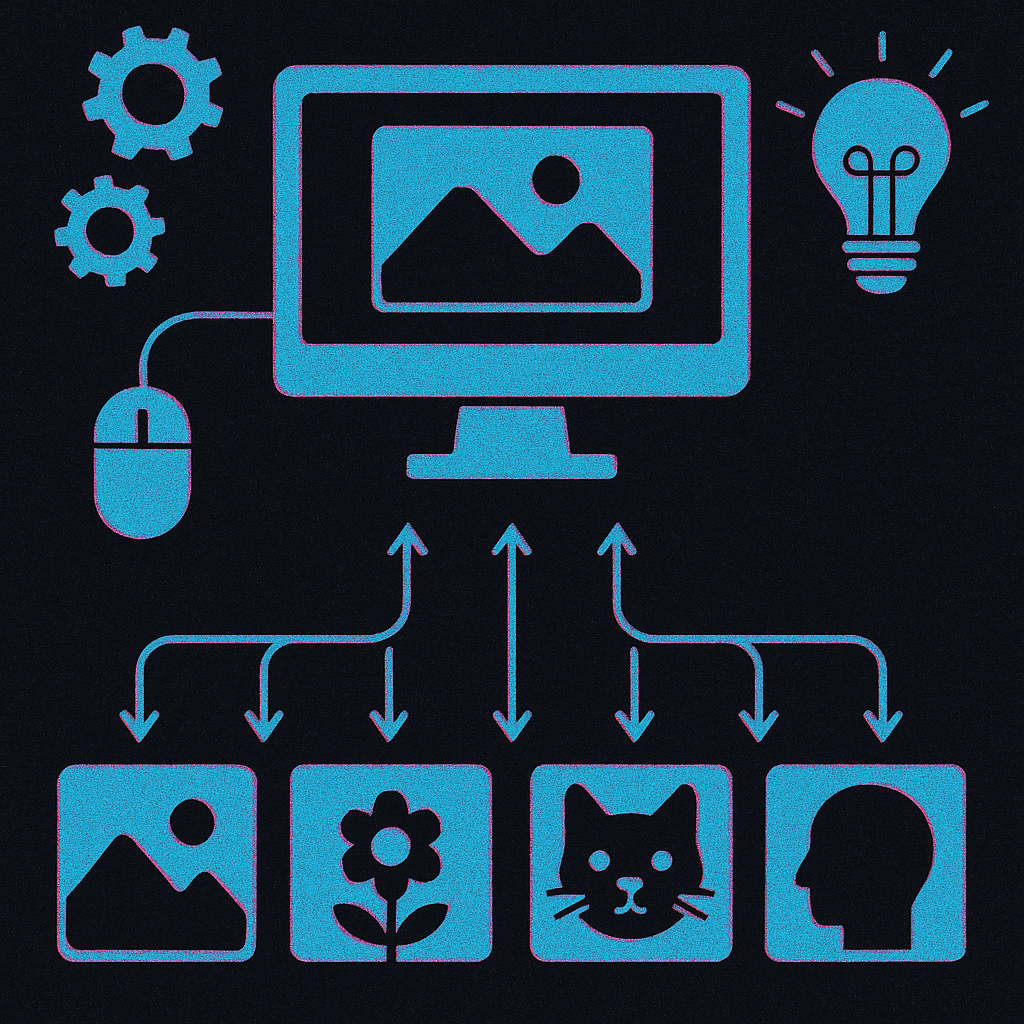
Image Generators
The evolution of image generators has accelerated rapidly in recent years, fundamentally transforming the way visual content is created and utilised across various sectors. From art and design to marketing and education, these tools have sparked debate around creativity, ownership, and the future of human artistry. Here, we explore the key advancements in image generator technology over recent years.
2014-2016: The Early Days of Generative Models
The journey began in earnest with the introduction of Generative Adversarial Networks (GANs) by Ian Goodfellow et al. in 2014. This groundbreaking framework allowed machine learning algorithms to generate realistic images through a two-part system: one network creates images while another evaluates their authenticity. This initial concept laid the groundwork for subsequent advancements in generative AI.
By 2016, GANs had captured the imagination of developers and artists alike, resulting in a surge of projects that experimented with this technology. Notably, advancements were seen in facial generation; for instance, the website "This Person Does Not Exist" showcased a GAN's ability to create hyper-realistic images of people that did not exist at all.
2017-2019: Rise of Style Transfer and Deep Learning
The introduction of style transfer algorithms marked a significant leap forward during this period. Researchers developed methods allowing users to apply artistic styles from famous paintings onto photographs seamlessly. Applications like Prisma gained immense popularity as they empowered users to transform their photos into artworks reminiscent of Van Gogh or Picasso.
Moreover, deep learning techniques improved resolution quality across generated images significantly. By utilising larger datasets and more complex neural networks, creators began generating high-definition visuals that could fool even seasoned professionals into mistaking them for real photographs.
2020: The Year Everything Changed
The year 2020 heralded significant milestones with models such as OpenAI’s DALL-E making headlines. Capable of generating unique images from textual descriptions, DALL-E exemplified the synergy between natural language processing and visual creation. Users could input descriptions like "an armchair in the shape of an avocado," leading to stunningly detailed representations that had never been seen before.
This leap stirred excitement within creative communities while also prompting discussions on ethical considerations regarding authorship and copyright issues surrounding AI-generated works. As such technologies grew more sophisticated, so too did concerns regarding their implications for traditional artists.
2021: Mainstream Acceptance
- Art Market Developments: NFTs (non-fungible tokens) emerged as a way to authenticate digital art pieces created by AI systems like DALL-E or Artbreeder. Artists explored new revenue streams through blockchain technology while simultaneously navigating unresolved legal questions about ownership rights.
- User-Friendly Platforms: Tools such as Runway ML allowed even those without coding skills access advanced image-generating capabilities directly from web browsers.
- Generative Design: Industries ranging from architecture to fashion adopted generative design processes powered by AI systems—optimising creativity while reducing resource waste.
2022: Fine-Tuning and Ethical Considerations
The tech community responded proactively with initiatives aimed at addressing algorithmic bias—researchers engaged in efforts targeting inclusivity within training datasets while prioritising transparency around how these models operated and made decisions.
2023: Expansion Beyond Visual Art
- Mainstream Use-Cases: Companies now deploy image generators across myriad sectors—from creating lifelike avatars for virtual meetings to generating custom designs on-demand for retail businesses.
- A New Generation of Creators: Educational platforms have sprung up teaching both aspiring artists how best utilise these tools alongside promoting critical thinking regarding ethical implications tied thereto; this further solidifies their role within modern educational curriculums worldwide.
- Cultural Dialogue: On social media channels—discussions about the intersectionality between human creativity versus computer-generated output flourished; creators debated whether these innovations symbolised advances towards collaboration or threats against traditional artistry altogether.
The Future Outlook: A Collaborative Landscape?
This transformation will necessitate ongoing dialogues centring upon ethics surrounding artistic expressions fostered through technology while ensuring equitable practices prevail amidst potential disruptions faced by traditional artists striving to navigate newly established frontiers forged via innovation.
Recent Posts
Head-to-Head: Comparing Top AI Models in Работа с Нейросетями and Their Impact
червень 16, 2026
Debunking Myths: The Realities of Работа с Нейросетями and AI Models Today
червень 16, 2026
Unlocking Creativity: A Simple Guide to Using Image Generators for Beginners
червень 16, 2026
Maximum Potential
Отримайте повний досвід із планом Pro
ІНФОРМАЦІЯ