червень 15, 2026
Avoiding Pitfalls: Key Mistakes in Using Image Generators and How to Sidestep Them
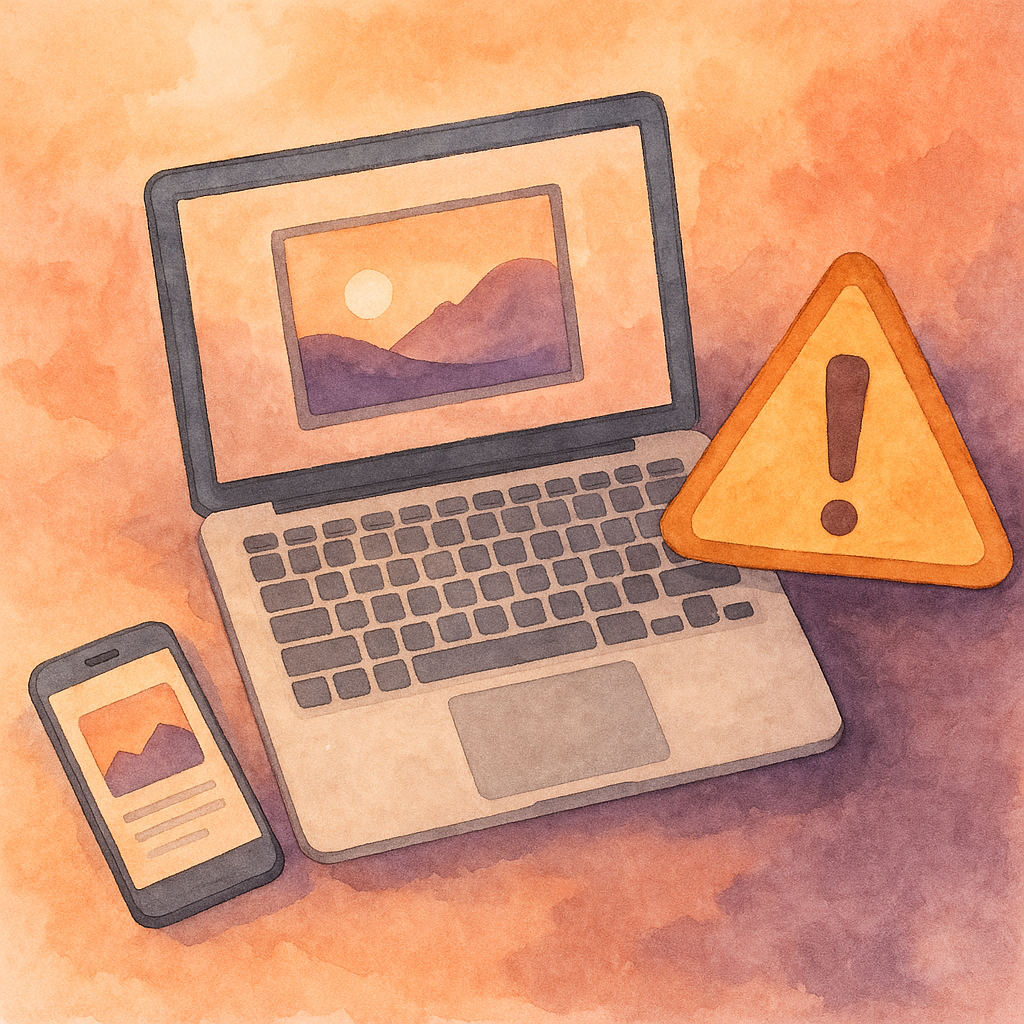
Image Generators
In recent years, image generators have surged in popularity, thanks to advancements in artificial intelligence and machine learning. These tools provide users with the ability to create stunning visuals from text prompts, serving a broad range of industries from marketing to entertainment. However, as the technology becomes increasingly accessible, many users find themselves making common mistakes that can hinder their creative outputs. This article aims to explore these pitfalls and offer practical tips for avoiding them.
Understanding Image Generators
Before diving into mistakes, it's essential to understand what image generators are. These applications utilise algorithms to transform textual descriptions into visual representations. Popular platforms like DALL-E and Midjourney have captivated users with their ability to produce high-quality images based purely on written input. Nevertheless, without a good grasp of how these systems operate, users may struggle to get the results they want.
Common Mistakes in Using Image Generators
1. Lack of Clear Prompts
A primary mistake many users make is not providing clear and specific prompts. Vague instructions can lead to unexpected or unsatisfactory outcomes. For instance, requesting "a dog" instead of "a golden retriever sitting in a sunny park" does not provide enough context for the AI to generate an accurate image.
How to Avoid This:
- Be as specific as possible when crafting your prompt.
- Include details such as colours, styles, emotions, or settings.
2. Ignoring Style and Medium Options
Many image generators allow users to specify styles (e.g., realistic, cartoonish) or mediums (e.g., oil painting, digital art). Neglecting these options can result in images that don’t align with your envisioned creative direction.
How to Avoid This:
- Take time to explore different styles available on the platform you’re using.
- Add stylistic keywords within your prompts if supported by the tool.
3. Overcomplicating Prompts
Conversely, some users overcomplicate their prompts by including too many different elements at once. This can confuse the algorithm and yield cluttered or incoherent images because it struggles to prioritise competing ideas.
How to Avoid This:
- Simplify your requests by focusing on one main concept at a time.
- You can always refine further requests based on initial results.
4. Neglecting Iteration
A significant advantage of image generators is their capacity for iteration—refining prompts based on previous outputs leads often results in better images. Failing to iterate means missing out on optimising your creations towards perfection.
How to Avoid This:
- Treat every generated image as a learning opportunity; ask yourself what works and what doesn’t.
- Create several variations by adjusting aspects of your original prompt incrementally.
5. Underestimating Post-Processing Needs
The initial output may not always meet expectations due to resolution limitations or artistic choices made by the generator algorithms. Depending solely on the generated image without any post-processing is another common oversight among users seeking polished results.
How to Avoid This:
- Edit final images using photo editing software for adjustments like cropping or colour enhancements.
- Add personal touches that reflect your unique style after generating an image.
A Q&A Approach: Addressing User Concerns
Q: What if my generated images always look similar?
A: If you find that outcomes seem repetitive, consider varying your prompt language more significantly or experimenting with different themes altogether. Each variation should offer slight differences in phrasing and detail that might push the algorithm in new directions.
Q: How do I know which parameters work best for me?
A: Experimentation is key! Different platforms may respond uniquely depending on their underlying AI technology; take notes about which combinations yield favourable outcomes so you can build a library of successful prompts over time.
Q: Can I use generated images commercially?
A: Usage rights differ across platforms; always check licensing agreements before using generated imagery commercially for logos or marketing materials since copyright implications could arise depending on source material used by the generator itself!
Q: Is there really a limit on creativity when using AI tools?
A: Not at all! While algorithms operate within certain constraints based on training data, user creativity plays an equally pivotal role when crafting effective prompts—and this human component remains irreplaceable!
The world of image generation offers exciting opportunities but navigating it effectively requires knowledge and practice. By steering clear of these common mistakes—crafting clear prompts, choosing appropriate styles, simplifying concepts where necessary—users can unleash their creativity more successfully while benefiting from powerful tools at their disposal. With ongoing advancements in AI technology set against an ever-evolving backdrop of artistic expression potential remains limitless; it’s up to each user’s innovation paired with skillful utilisation that will distinguish remarkable outcomes from merely average ones!
Recent Posts
Step-by-Step Success in Работа с Нейросетями: Your Essential AI Models Guide
червень 15, 2026
Navigate the World of Нейросетями: Your Practical Guide to AI Models and Insight...
червень 15, 2026
Insights from Industry Leaders: The Future of Image Generators Unveiled
червень 15, 2026

Maximum Potential
Отримайте повний досвід із планом Pro
ІНФОРМАЦІЯ