червень 15, 2026
Insights from Industry Leaders: The Future of Image Generators Unveiled
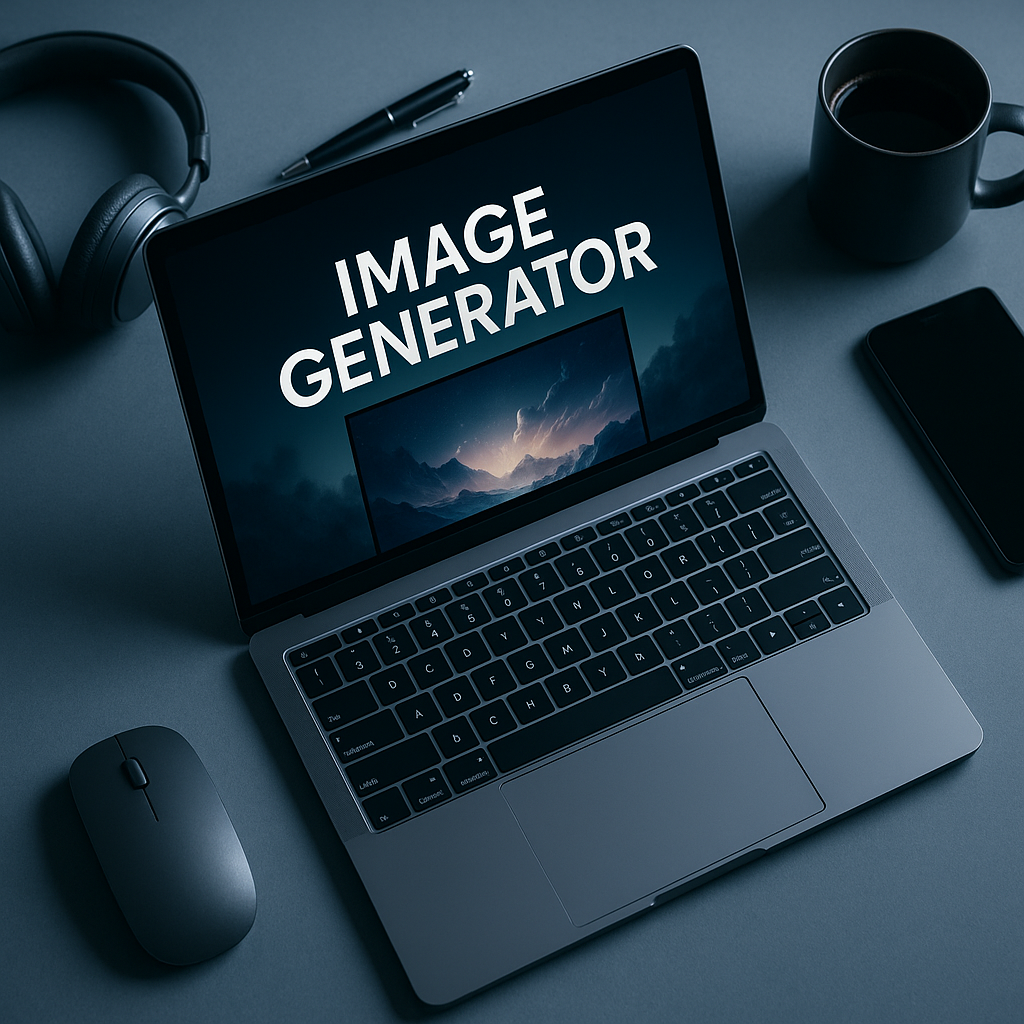
Image Generators
In recent years, the emergence of image generators has significantly transformed the landscape of digital content creation. Industry experts are diving into the mechanics, implications, and future potential of these tools. We spoke with several professionals to gain insights into how image generation technology is reshaping creativity and commerce.
Q&A with Industry Experts
What exactly are image generators, and how do they work?
Dr. Sarah Mitchell, a leading researcher in artificial intelligence at Cambridge University, explains: “Image generators leverage deep learning algorithms known as Generative Adversarial Networks (GANs). These networks consist of two neural networks – a generator and a discriminator – that work against each other to create realistic images from textual descriptions or random noise.”
Tech entrepreneur Marcus Lee adds a practical dimension: “You can think of it as a digital artist that has studied thousands of artworks. When you ask it for a painting or an illustration, it synthesises new visuals based on learned patterns without directly copying existing works.”
How are businesses currently utilising image generators?
Sophie Reynolds, Chief Marketing Officer at an e-commerce platform, shares her experience: “We’ve integrated image generation tools to create custom product images based on customer preferences. This not only enhances user engagement but also allows us to present multiple variations without extensive photography costs.”
Moreover, in the realm of advertising, creative director James O’Connell highlights the effectiveness: “By using image generators for social media campaigns, we can quickly produce bespoke visuals that resonate with our audience’s dynamic tastes. It’s about keeping content fresh and relevant.”
Are there challenges associated with using these technologies?
The experts indicate that while the benefits are clear, challenges still persist. Dr. Mitchell warns about ethical considerations: “There’s an ongoing debate regarding copyright ownership and plagiarism in AI-generated art. If an algorithm creates a new piece based on existing ones, who owns the rights?”
Sophie Reynolds adds another layer: “Quality control can be sporadic. While some outputs are stunningly realistic, others might miss the mark entirely — especially when complex requests involve nuanced emotions or specific styles.”
The Future of Image Generation Technology
Looking ahead, industry leaders anticipate rapid advancements. Marcus Lee forecasts increased personalisation capabilities: “In just a few years, we’ll likely see AI that can generate tailored images in real-time based on individual user behaviour and preferences — potentially revolutionising how brands interact with consumers.”
Dr. Mitchell expresses hope for collaborative models where humans and machines work together creatively: “Rather than replacing artists, I envision AI as an assistant that augments human creativity by providing inspiration or alternative renditions.”
The Emotional Impact of AI-Generated Art
An important aspect discussed was the emotional connection between viewers and AI-created imagery. James O’Connell argues that genuine artistry conveys emotion which is crucial for impactful marketing: “While machines can replicate styles and techniques effectively, there remains skepticism about whether they can truly evoke emotions like human artists do.”
This sentiment resonates across many sectors where art plays a pivotal role; visual storytelling often relies on authenticity derived from lived experiences.
User Perspectives on Image Generators
A growing number of users have begun experimenting with these platforms themselves. Tom Harris, a freelance graphic designer who recently incorporated AI into his workflow shares his thoughts: “Using AI tools has not replaced my artistic vision; instead, it complements my processes. It allows me to explore ideas rapidly — generating countless drafts before settling on final designs.”
However, Tom also acknowledges limitations faced by amateur creators: “For someone less experienced in design principles or aesthetics — purely relying on AI could yield unappealing results without understanding composition basics.” This highlights the importance of human oversight in guiding creativity.
The Role of Image Generators in Education
The education sector isn’t left behind either; institutions are increasingly recognising the potential of image-generating tools for teaching purposes. Professor Linda Ashford from the London School of Art opines: “Students today benefit enormously from engaging with AI technologies early on — fostering critical thinking about art production methods while encouraging collaboration between tech-centric disciplines like data science and traditional arts domains.”
This interdisciplinary approach prepares students for careers where adaptability is key amidst evolving digital landscapes.
A Final Thought on Sustainability in Digital Art Creation
An often-overlooked consideration is sustainability within this burgeoning field. As energy consumption due to computation intensifies globally — researchers such as Dr Mitchell stress proactive measures must be taken to mitigate environmental impacts arising from significant computational power required by advanced neural nets.
The move towards greener practices could include optimising algorithms for efficiency or utilising renewable energy sources within data centres hosting these systems.
As technological advancements continue at breakneck speed, understanding both opportunities presented by image generators alongside their ethical implications will be vital for shaping future creative landscapes across industries.
Recent Posts
Step-by-Step Success in Работа с Нейросетями: Your Essential AI Models Guide
червень 15, 2026
Navigate the World of Нейросетями: Your Practical Guide to AI Models and Insight...
червень 15, 2026
Avoiding Pitfalls: Key Mistakes in Using Image Generators and How to Sidestep Th...
червень 15, 2026

Maximum Potential
Отримайте повний досвід із планом Pro
ІНФОРМАЦІЯ