June 5, 2026
Avoiding Pitfalls: Top Mistakes Users Make with Image Generators and Fixes
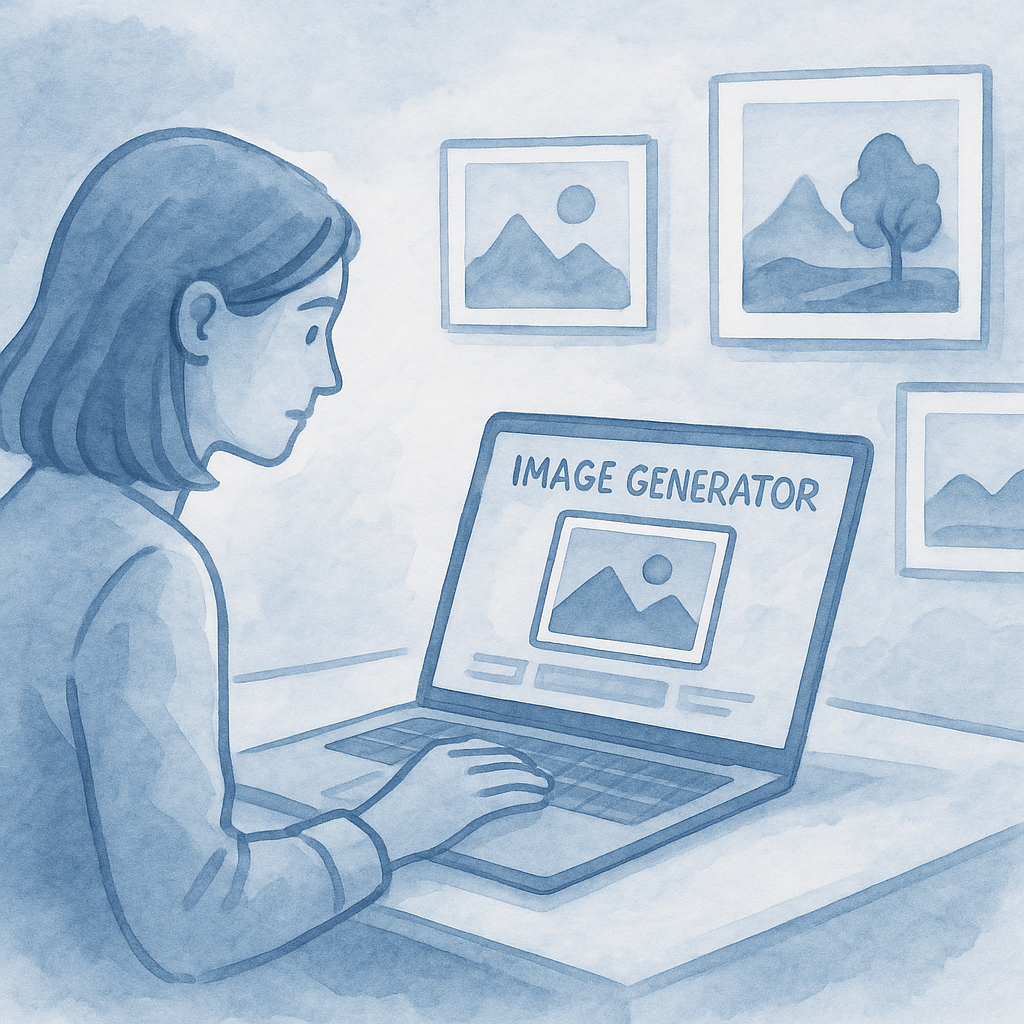
Image Generators
As image generators continue to transform the landscape of digital creativity, they offer users an unprecedented opportunity to create stunning visuals with just a few clicks. However, despite their growing popularity and ease of use, many individuals still stumble into common pitfalls that diminish the quality of their generated images. Understanding these mistakes and learning how to avoid them is crucial for anyone looking to harness the full potential of these innovative tools.
Misunderstanding the Tool’s Capabilities
One of the most frequent mistakes users make is underestimating or overestimating what an image generator can accomplish. Many people believe that simply entering a vague description will yield high-quality results. In reality, the effectiveness of an image generator largely depends on how well users communicate their ideas through prompts.
To avoid this pitfall, it is essential to:
- Be Specific: Instead of writing "a dog," try something more detailed like "a golden retriever playing in a sunlit park." The more specific your input, the better the output.
- Understand Limitations: Familiarize yourself with what your chosen tool can and cannot do. Some generators excel at producing landscapes but struggle with human figures.
- Experiment: Don't hesitate to tweak your prompts and observe how small changes affect the output. This will enhance your understanding of the tool's capabilities.
Poor Quality Input
The quality of the input you provide plays a critical role in determining the quality of the output. Users often rely on simple or cliché phrases that may not translate well into visual representations. Poorly worded prompts can lead to irrelevant or low-quality images that miss the mark entirely.
To improve your input quality, consider adopting these strategies:
- Use Descriptive Language: Incorporate adjectives and verbs that convey emotion or action. For example, instead of “a cat,” try “a sleek black cat lounging gracefully on a windowsill.”
- Add Contextual Details: Including context can greatly enhance the relevance of generated images. Describe settings, moods, or styles such as “a whimsical illustration in pastel colors” rather than just mentioning subjects.
- Avoid Overly Complex Prompts: While detail is important, overly complicated descriptions can bog down processing and lead to confusion in output. Keep it clear yet descriptive.
Lack of Iteration
A common error among new users is not revisiting or iterating on their initial creations. Just because an image doesn’t meet expectations at first glance doesn’t mean it’s irredeemable; many professionals fine-tune images through several iterations before landing on a final product.
Avoid this mistake by adopting an iterative approach:
- Create Multiple Versions: Don’t settle for one result; generate different versions with slight variations in prompts to see diverse interpretations.
- Criticize Constructively: Analyze what works and what doesn’t in each generated image. This self-critique can guide you towards better future iterations.
- Sustain Creativity: Use successful elements from previous iterations while continuing to experiment with new ideas, ensuring fresh outputs each time.
Ineffective Use of Style Parameters
An exciting feature offered by many advanced image generators is style parameters that allow users to dictate artistic styles (e.g., impressionism, surrealism). However, many individuals either neglect these options or misuse them entirely by choosing styles that don’t align with their vision.
A few tips for effectively utilizing style parameters include:
- Research Styles: If you're unsure which style suits your project best, spend some time researching various artistic movements and techniques to find inspiration.
- Match Style with Theme: Select styles that complement the themes or emotions you want your image to evoke—creating harmony between content and style enhances overall impact.
- Tweak and Test: If unsure about a particular style's effect on your visuals, test variations using different styles until you find one that resonates best with your creative intent.
Navigating Copyright Issues
The rise of AI-generated imagery has ignited debates around copyright ownership and usage rights. Users often overlook these concerns when using publicly available generators without fully understanding licensing agreements associated with their outputs—leading to potential legal complications down the line.
Avoid copyright-related issues by following these precautions:
- Read License Agreements Carefully: If available artworks are for commercial use or subject to attribution requirements, adhere strictly to those guidelines when using them publicly.
Create Original Content: If possible, combine generated elements with original artwork or design components you've created yourself—this helps ensure unique content ownership while minimizing potential infringement risks.- Stay Informed: Keep yourself updated about evolving copyright regulations surrounding AI-generated works; this knowledge empowers responsible usage practices moving forward.
- Consider Consultation: If investing significantly in projects featuring generated images—especially commercially—it may be wise consulting legal expertise specializing intellectual property rights before proceeding further.
Conclusion: Embracing Best Practices
As technology continues advancing rapidly within creative industries , mastering effective utilization strategies within digital platforms becomes imperative . By recognizing common pitfalls arising from misunderstandings , poor input choices , lack iteration efforts , ineffective usage stylistic parameters , navigating copyright concerns responsibly , individuals not only enhance visual outcomes produced through image generators but also foster deeper engagements audience members across diverse spheres creativity . With awareness diligence applied promptly tackling these challenges ahead ensures flourishing experiences harnessing artificial intelligence innovative landscapes .
Recent Posts

Insights from Experts: Navigating Neural Network Work and AI Model Developments
June 5, 2026
Discover Hidden Gems: Underrated Tools for Working with Neural Networks in AI
June 5, 2026
A Comprehensive Timeline of Image Generators: Recent Innovations and Milestones
June 5, 2026

Maximum Potential
Get the full experience with Pro Plan
INFORMATION