травень 30, 2026
Avoiding Pitfalls: Top Mistakes with Image Generators and How to Fix Them
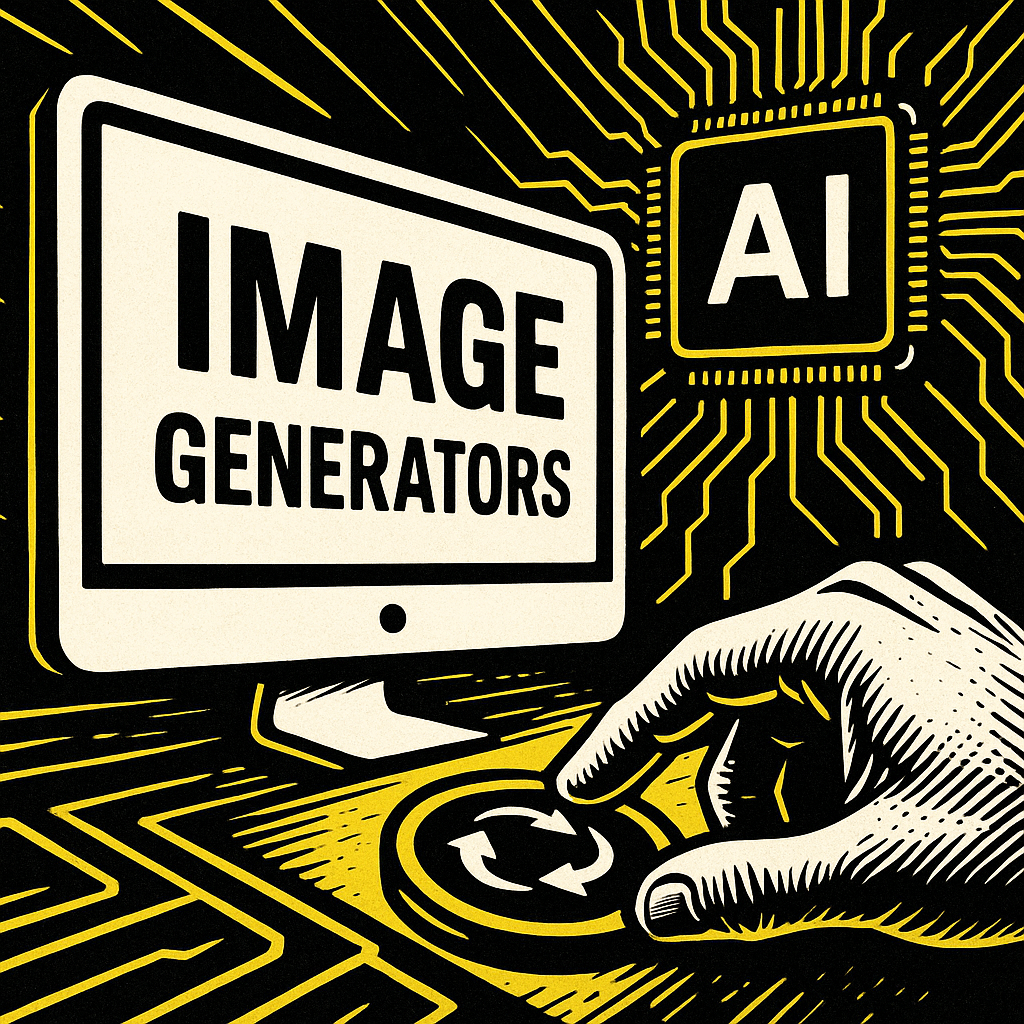
Image Generators
In recent years, image generators have surged in popularity, providing users with the ability to create stunning visuals quickly and efficiently. These tools leverage artificial intelligence to transform text prompts into images, catering to artists, marketers, and everyday users alike. However, as with any technology, there are common pitfalls that many users encounter when working with image generators. This article explores these mistakes and offers practical solutions to avoid them.
Understanding the Power of Prompts
The prompt is arguably the most crucial component when using an image generator. A well-crafted prompt can lead to breathtaking images, while a vague or poorly worded one can yield disappointing results. Many users underestimate the importance of specificity in their prompts. For instance, instead of simply requesting "a dog", adding details like "a golden retriever playing in a snowy field at sunset" will likely produce a much more satisfying image.
How to Enhance Your Prompts:
- Be Specific: Include adjectives that describe colours, textures, moods, and settings.
- Use Styles: Reference particular artistic styles or movements (e.g., "in the style of Van Gogh").
- Include Composition Details: Specify elements like the perspective or arrangement within the frame.
Navigating Over-Complexity
While detailed prompts are beneficial, overcomplicating them can lead to confusion for the AI model. Users often fall into the trap of including excessive detail or multiple themes in a single prompt. This can result in images that feel cluttered or unfocused. Striking a balance between detail and clarity is essential.
Avoiding Complexity:
- Simplify Your Ideas: Choose one main theme or subject per prompt.
- A/B Testing: Experiment with variations on prompts to see which yields better results.
The Importance of Iteration
A common mistake made by new users is expecting perfect results on the first attempt. Image generation is often an iterative process. Skipping multiple iterations can limit creativity and prevent discovering unique outcomes that may arise from slight adjustments in prompts or parameters.
A Cultivated Approach:
- Create Variations: Change small aspects such as colour schemes or minor details for different outcomes.
- Learn from Feedback: If an image isn’t what you wanted, analyse what went wrong and adjust accordingly.
Mismatching Expectations with Capabilities
User expectations sometimes exceed what current AI-generated technologies can deliver. Some individuals may anticipate photorealistic images from text prompts without acknowledging limitations inherent in AI models. Understanding these boundaries is vital for maintaining realistic expectations about output quality and style compatibility.
Managing Expectations Effectively:
- Research Capabilities: Familiarise yourself with your chosen generator’s strengths and weaknesses.
- Simplify Goals: Aim for concepts rather than perfection; embrace stylistic choices that align with AI capabilities.
The Role of Post-Processing
Add Value Through Post-Processing:
- Edit Images: Tweak contrast, brightness and saturation for a polished finish.
- Add Elements: Create composite images by layering generated graphics with other visuals if necessary.
Bystander Syndrome: Observing Rather Than Engaging
A common error involves merely observing other creators’ work without actively engaging with the tools available. Users who sit back passively miss learning opportunities that come from experimentation. Engaging deeply encourages creative growth and exploration beyond surface-level interactions with generators.
Taking Creative Initiative:
- Dive In: Create regularly; challenge yourself creatively every week or month!
- Join Communities: Lurk less—participate actively by sharing your work and seeking feedback on platforms dedicated to digital art creation!
The Fine Line Between Inspiration and Imitation
A critical ethical consideration arises regarding originality versus imitation when using generated imagery influenced by existing artworks or styles. Users sometimes unintentionally tread upon copyright issues by recreating images too closely resembling those created by others without proper acknowledgement or transformation into something uniquely theirs.
Navigating Copyright Concerns Safely:
- Cite Influences: If inspired by existing works while creating your own pieces—credit original artists where applicable!
- Create Derived Works: Add personal flair instead of completely replicating another’s artistry—this allows building upon inspiration while respecting intellectual property rights!
The evolution of image-generating technology presents exciting opportunities across various fields such as advertising campaigns requiring visual content development; however mastering its usage comes down largely to understanding common pitfalls along this journey. By refining prompt techniques reducing complexity regularly iterating managing realistic expectations post-processing engaging actively nurturing originality responsibly—all play key roles toward maximising success when utilising these innovative tools effectively! It’s not just about generating images but also about cultivating creativity through thoughtful interaction every step along the way!
Recent Posts
Head-to-Head: Comparing Top AI Models in Работа с Нейросетями and Their Impact
червень 16, 2026

Debunking Myths: The Realities of Работа с Нейросетями and AI Models Today
червень 16, 2026
Unlocking Creativity: A Simple Guide to Using Image Generators for Beginners
червень 16, 2026

Maximum Potential
Отримайте повний досвід із планом Pro
ІНФОРМАЦІЯ