June 2, 2026
Debunking Image Generators: Myths vs. Reality in the Creative Landscape
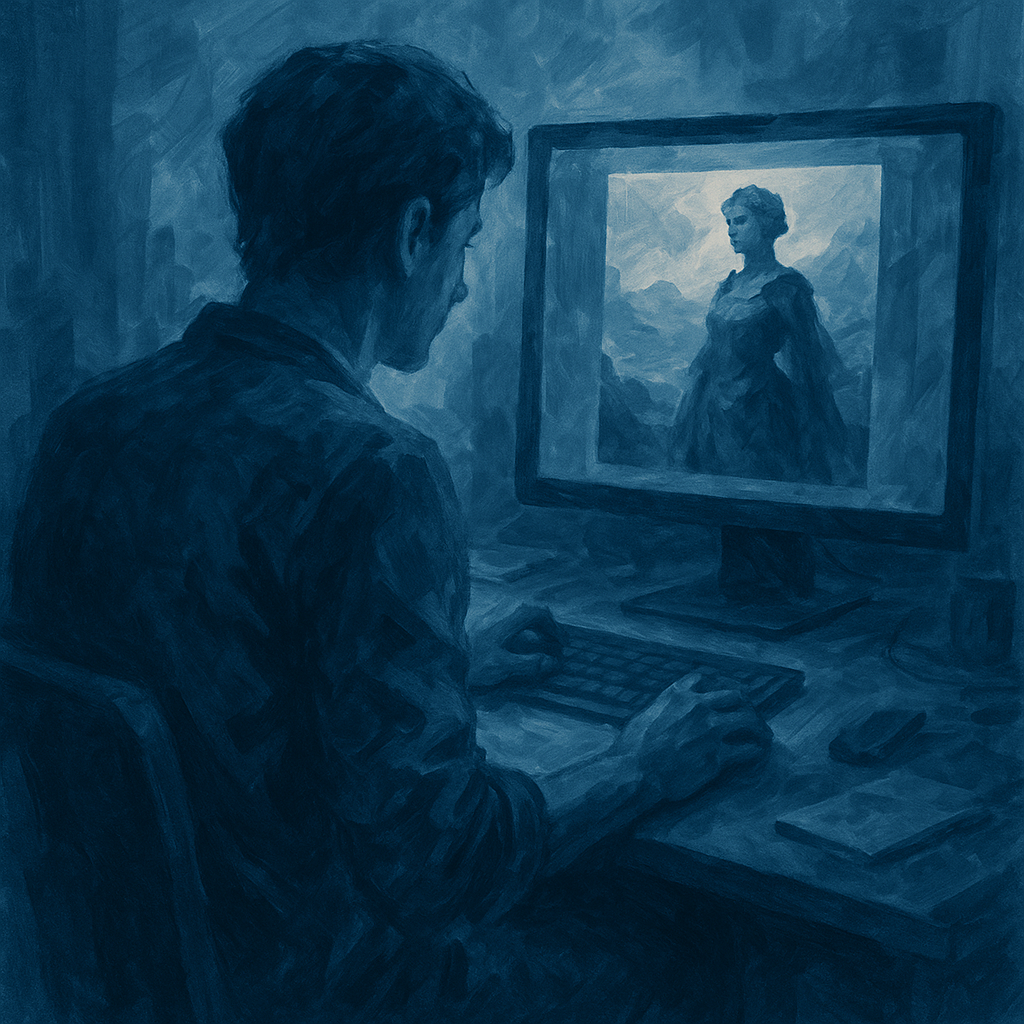
Image Generators
In recent years, image generators have surged in popularity, captivating the interest of artists, marketers, and tech enthusiasts alike. With their ability to create stunning visuals from mere text prompts or by processing existing images, these tools are often viewed as revolutionary. However, alongside the excitement surrounding these technologies arises a plethora of myths and misconceptions that can cloud understanding. This piece aims to dissect some prevalent myths surrounding image generators while laying bare the realities of how they work and their potential applications.
Myth 1: Image Generators Are Fully Autonomous Artists
A common misconception is that image generators operate with complete autonomy—producing artwork without any human intervention. While it’s true that these systems can generate images independently, they rely on extensive datasets curated and processed by humans. The algorithms behind these tools learn patterns from vast collections of images and texts provided during training phases. Thus, rather than being independent creators, they are sophisticated mimickers guided by the creative input of their developers and users.
Reality Check: Image generators serve as collaborative tools rather than replacements for human creativity. They require initial user input in the form of text prompts or styles to generate relevant content. Human oversight remains critical in refining outputs to align with specific artistic visions or branding needs.
Myth 2: They Can Create Anything Perfectly
Another myth suggests that image generators can create any visual perfectly from a simple description. Enthusiasts often assume that entering a detailed prompt will yield flawless results every time. However, while advancements have been significant—leading to impressive outputs—they still exhibit limitations.
- Image resolution issues: Generated images may not meet professional standards for print designs or high-resolution displays.
- Anatomical inaccuracies: Many tools struggle with human anatomy or complex scenes involving multiple subjects.
- Style limitations: Each generator has its strengths based on its training data; thus, some styles may not be reproducible without losing fidelity.
Reality Check: Users must manage expectations when working with these tools. Fine-tuning prompts and utilizing post-processing techniques are essential for achieving desired results. Furthermore, there is no one-size-fits-all solution; different image generators excel in various domains.
Myth 3: Image Generators Will Replace Professional Artists
The idea that image generators could replace professional artists is alarming and misleading for many in creative industries. While it’s true that these tools can produce images quickly and inexpensively, they lack the intricate understanding of context, emotion, and cultural significance that a skilled artist brings to their work.
- Cultural nuance: Art is deeply rooted in culture; generating artwork solely based on algorithms misses this depth.
- Conceptual thinking: Professional artists think critically about themes and messages—a layer absent from AI-generated content.
- Originality vs replication: Artists draw upon personal experiences to create unique works; generators synthesize existing data without originality.
Reality Check: Instead of replacing artists, image generators are more likely to reshape creative practices. They present opportunities for collaboration where artists can use them as part of their toolkit—enhancing creativity rather than hindering it.
Myth 4: Anyone Can Use Them Effectively Without Training
The accessibility of image generation technology fosters the belief that anyone can produce quality visuals by simply typing a prompt into an application. While user-friendly interfaces make it easy to start generating images right away, mastering the art of prompt crafting requires practice and skill development.
- Phrasing matters: Minor changes in wording can drastically alter the final output; understanding how to effectively communicate your vision is crucial.
- Tweaking parameters: Many advanced features require knowledge beyond just prompting—for instance, adjusting style weights or dimensions can influence quality significantly.
- No instant expertise: Just like traditional art forms take time to master, so do digital ones involving AI-assisted tools.
Reality Check: Continuous learning plays a vital role in harnessing the full potential of image generation technology. Engaging with community resources—including tutorials and forums—can provide valuable insights on best practices while enhancing users' skills over time.
Myth 5: All Generated Images Are Copyright-Free
A frequently cited myth suggests that images generated through AI tools are free from copyright concerns due to their automated nature. This belief is problematic as ownership laws regarding AI-generated artworks remain murky at best—and vary widely across jurisdictions worldwide.
- Lack of clear legislation: Copyright frameworks have yet to catch up with technology developments surrounding AI content creation!
- Citation requirements: Even if generated images appear unique, underlying datasets may include copyrighted materials affecting legal status!
- Moral rights issues arise when attributing artworks derived from derivative sources without recognizing original creators!
Reality Check: Users should approach AI-generated content with caution regarding copyright implications by seeking clarity on licensing agreements offered by platforms before deployment in commercial ventures or public displays!
The Future Landscape
The realm of image generation continues evolving rapidly—with significant advancements expected over the coming years! As innovatory techniques emerge alongside growing awareness surrounding ethical considerations related both technologically & creatively—it’s imperative we remain vigilant against misconceptions while fully embracing opportunities available within this transformative space!
This journey toward demystifying image generators highlights essential aspects for users—from managing expectations & responsibly navigating legality—encouraging informed utilization ultimately paves pathways toward unlocking new dimensions within artistry enhanced through technology! As society progresses further into this digital age anchored firmly at intersectionality between humanity & innovation—the collaborative synergy becomes fundamental driving forces shaping future horizons!
Recent Posts

Maximum Potential
Get the full experience with Pro Plan
INFORMATION