червень 13, 2026
Decoding the Surge: A Data-Driven Exploration of Image Generator Trends

Image Generators
The rise of image generators powered by artificial intelligence has sparked immense interest across various sectors, from marketing to art. As industries increasingly harness these tools, it is essential to understand current trends and the data driving this dynamic landscape. This comprehensive analysis explores the rapid evolution, applications, challenges, and future prospects of image generation technology.
Over the past few years, the global market for AI-generated imagery has expanded significantly. According to a recent report from Market Research Future, the AI-based image generator market is expected to grow at a remarkable compound annual growth rate (CAGR) of 34% from 2023 to 2030, reaching an estimated value of £10 billion by the end of the forecast period. This explosive growth signals an increasing adoption of AI technologies in visual content creation.
Understanding Image Generators
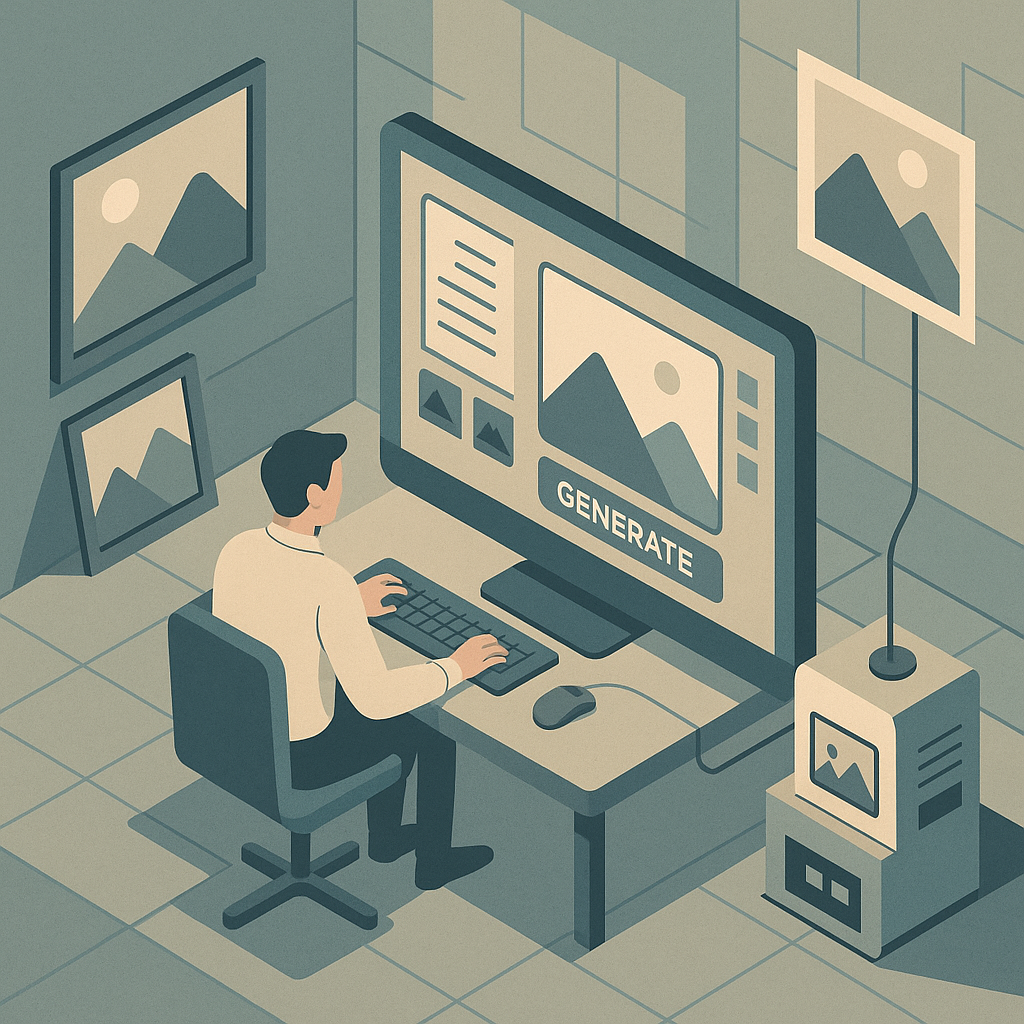
Image generators use machine learning algorithms to create new images based on patterns learned from existing datasets. These systems can produce anything from realistic photographs to abstract artwork by leveraging vast amounts of training data. Notable models include OpenAI's DALL-E, Midjourney, and Stability AI's Stable Diffusion. Each has its unique capabilities but shares the common goal of enabling users to create high-quality visuals with minimal effort.
Applications Across Industries
As image generation technology matures, its applications are diversifying across numerous fields:
- Marketing and Advertising: Brands are increasingly turning to AI-generated images for campaigns due to their cost-effectiveness and speed. Custom graphics can be produced in mere seconds, allowing marketers to experiment with different concepts before settling on final designs.
- Entertainment: In gaming and film production, developers are utilising AI-generated assets for concept art and even entire scenes. This not only accelerates the creative process but also provides unique visual styles that might be challenging for human designers alone.
- E-commerce: Retailers are enhancing their online presence with custom images generated according to specific themes or seasonal demands. This capability enables them to maintain a fresh look without incurring heavy costs associated with traditional photoshoots.
- Art Creation: Artists and designers are exploring these tools as collaborators rather than replacements. They use AI-generated images as inspiration or starting points for their work, resulting in innovative fusions of human creativity and machine intelligence.
A Data-Driven Perspective
The adoption rates of image generators highlight their growing importance around the globe. A survey conducted by CreativeBloq indicated that over 60% of graphic designers have used some form of AI-assisted design tool within the last year. The same survey found that about 40% reported improved efficiency in their work attributed directly to these technologies.
In terms of user demographics, professionals aged between 25-40 years comprise the largest user segment due to their familiarity with technology and openness towards innovation. Furthermore, small-to-medium enterprises (SMEs) are often early adopters of these tools as they help streamline operations while reducing overhead costs related to hiring specialised creative staff.
The Challenges Ahead
Despite its promising applications and rapid growth trajectory, the image generator industry faces several challenges that may impede its progress:
- Copyright Issues: As these systems learn from existing artworks and photographs, questions arise regarding intellectual property rights. Determining ownership over AI-generated content remains a grey area in legal terms.
- Quality Control: The inconsistency in output quality can be perplexing for users accustomed to traditional methods where precision is paramount. There is ongoing debate about how much control users ought to have over generated outcomes versus leaving it completely up to algorithms.
- Error Propagation: There's potential for bias within training datasets leading generators toward producing images that reinforce stereotypes or inaccuracies inadvertently. Addressing these biases requires rigorous oversight during both development and deployment phases.
The Future Landscape
The outlook for image generators indicates continued advancements driven by escalating demand across sectors. Industry giants like Adobe have begun integrating generative capabilities into established software suites such as Photoshop—signalling a shift where traditional tools will coexist with emerging technologies rather than being replaced entirely.
This hybrid approach could pave the way towards more intuitive interfaces that allow creatives greater control over generative processes while still benefiting from AI’s efficiency gains. Moreover, advancements in ethical frameworks surrounding copyright issues could encourage broader acceptance among artists wary of losing ownership rights over their creations.
A Q&A With Experts
Q: How do you see image generators impacting traditional artistry?
A: Many artists view these tools as extensions rather than replacements; they offer new ways of exploring creativity while alsopotentially speeding up repetitive tasks like sketching or basic rendering."
Q: Are there concerns about job displacement?
A: While some fear job loss due to automation, others argue that skilled practitioners who adapt will find new opportunities centred around managing or collaborating with AI systems instead."
The future remains bright for image generators as industries continue exploring innovative uses beyond mere aesthetics—transforming workflows fundamentally while pushing creative boundaries further than ever envisioned before! However—balancing technological advancement alongside ethical considerations will ultimately shape how we engage creatively moving forward!
The convergence between human creativity and technological prowess promises an exciting era where possibilities seem limitless; thus making monitoring developments imperative as we navigate this brave new world together!
Recent Posts

Maximum Potential
Отримайте повний досвід із планом Pro
ІНФОРМАЦІЯ