червень 7, 2026
Experts Weigh In: The Future of Image Generators in Creative Industries
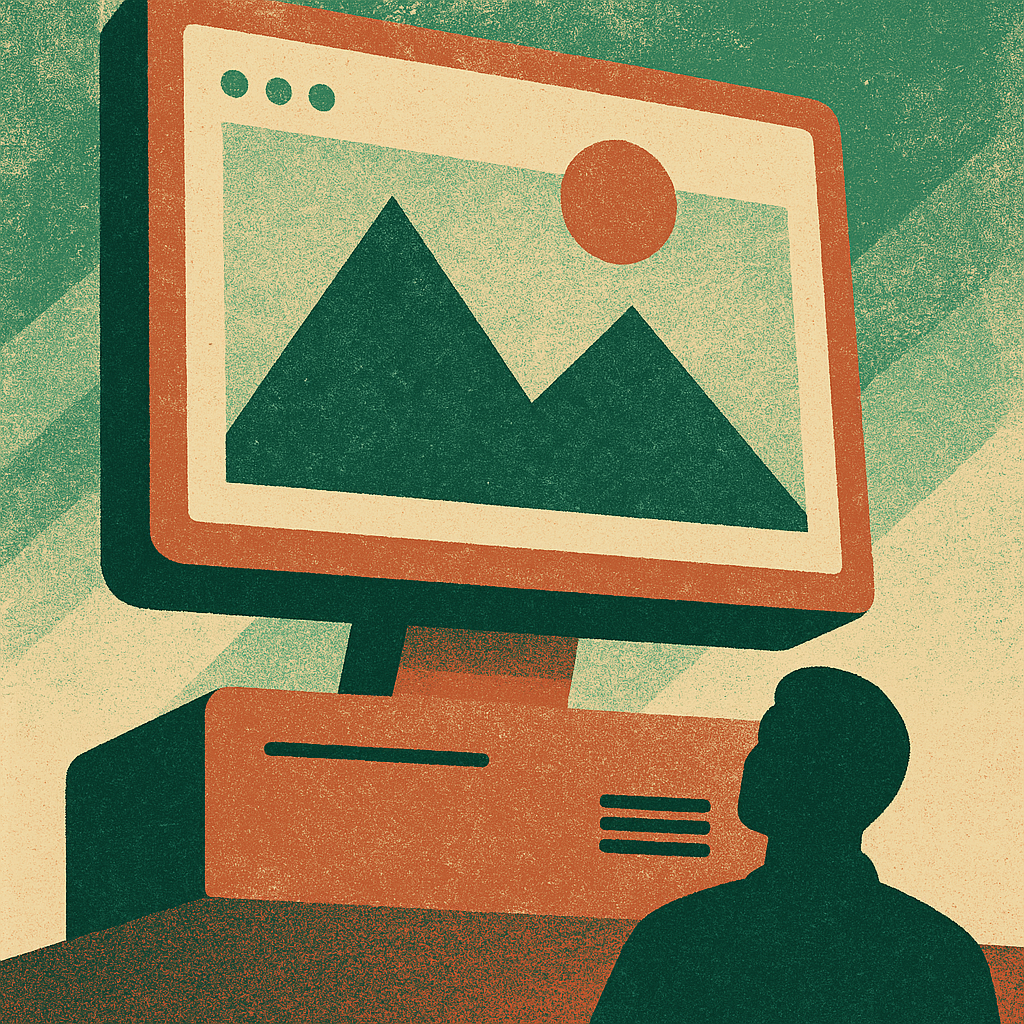
Image Generators
In recent years, the rise of image generators has revolutionised the realms of digital art, marketing, and content creation. These advanced technologies have raised questions about authenticity, creativity, and the future of design. To gain a deeper understanding of this exciting field, we spoke with several industry experts who shared their insights on the implications and potential of image generators.
The Technology Behind Image Generation
We kicked off our discussions with Dr Emma Goodwin, a leading researcher in artificial intelligence at Tech Innovations UK. Dr Goodwin explained how image generators work: "At their core, most modern image generators are powered by a type of machine learning called Generative Adversarial Networks (GANs). Essentially, they consist of two neural networks—the generator and the discriminator—that compete against each other to create increasingly realistic images."
Dr Goodwin further elaborated that these systems learn from vast datasets comprising existing images and their attributes. "As they’re trained on diverse inputs—from paintings to photographs—they develop an understanding of styles, textures, and composition," she said. This leads to the generation of entirely new images based on specified criteria or user input.
The Impact on Creative Professions
Next, we spoke with Mark Thompson, a renowned digital artist who has incorporated AI tools into his creative process. He shared his perspective on how image generators have transformed artistic endeavours: "These tools don’t replace artists; rather, they enhance creativity. I find that they can be used as starting points or inspiration for my projects."
Thompson noted that many artists now use image generators to brainstorm ideas quickly. "I can create multiple iterations of a concept within minutes using these programmes, which would take hours or days if done by hand," he explained. However, he also warned about over-reliance on technology: "It’s crucial to maintain a balance; human intuition and emotion still play an irreplaceable role in art."
Ethics and Authenticity Concerns
The conversation naturally turned to the ethical implications surrounding image generation. Professor Sarah Lancaster from the University of Creative Ethics voiced her concerns regarding copyright issues and authenticity in art produced by AI. "When an AI generates an image based on existing artworks or styles, questions arise about ownership,” she said. “Who owns the rights? The creator who developed the algorithm or the user who prompted it?"
Professor Lancaster highlighted several high-profile controversies involving AI-generated artworks being sold without proper attribution to original creators. She argued for clearer legislation surrounding digital copyright law to ensure artists are protected while also fostering innovation in AI. “It’s essential to navigate this landscape carefully,” she advised.
The Role in Marketing and Advertising
Moving beyond traditional art forms, we explored the applications of image generators in marketing with Lucy Prescott, head of creative strategy at Digital Horizons Agency. Prescott highlighted how brands utilise these tools for targeted advertising campaigns: "Image generation allows us to tailor visuals based on consumer preferences almost instantly.”
She added that marketers can create specific imagery that resonates with diverse demographic groups without needing extensive photo shoots or graphic design resources for every campaign: “This increases efficiency significantly while reducing costs.” However, Prescott warned against generic imagery lacking personal touch: “The challenge remains in creating authentic connections with consumers—images must convey brand values effectively.”
Future Trends in Image Generation Technology
As our discussion unfolded towards future developments within this sector, we asked Dr Goodwin what advancements might be on the horizon for image generation technology. “We're bound to see even more sophisticated algorithms capable of generating hyper-realistic images,” she predicted. “Moreover, as technology progresses toward integrating augmented reality (AR), we may witness hybrid models where generated images interact seamlessly with real-world settings.”
This perspective hints at exciting possibilities ahead not only for professional sectors like gaming and virtual reality but also everyday social media users looking for unique content creation tools.
The Challenges Ahead
Despite its promise, industry experts acknowledge substantial hurdles remain before widespread adoption occurs across various fields influenced by these technologies. Mark Thompson pointed out some challenges facing artists: “Many creatives grapple with anxiety around job security due to automation replacing certain roles—this fear is not unfounded.”
Furthermore, Professor Lancaster emphasised ongoing debates among ethicists about accountability when AI systems propagate biased representations based on flawed training data: “Technological limitations will continue impacting societal perceptions unless addressed proactively.” This critical assessment highlights why collaborative discussions among developers currently shaping such innovations alongside stakeholders are paramount moving forward.
A Collaborative Future
The overall sentiment amongst our interviewees is one centred around collaboration between human talent and machine capabilities rather than outright replacement scenarios dominating public discourse today. As Lucy Prescott aptly summarised: "The key lies in harnessing these advancements ethically while ensuring authentic human expression remains at their heart." In conclusion, as image generators become increasingly integrated into various facets of life—artistic expression included—the dialogue surrounding creativity versus automation will likely continue evolving profoundly.
Recent Posts
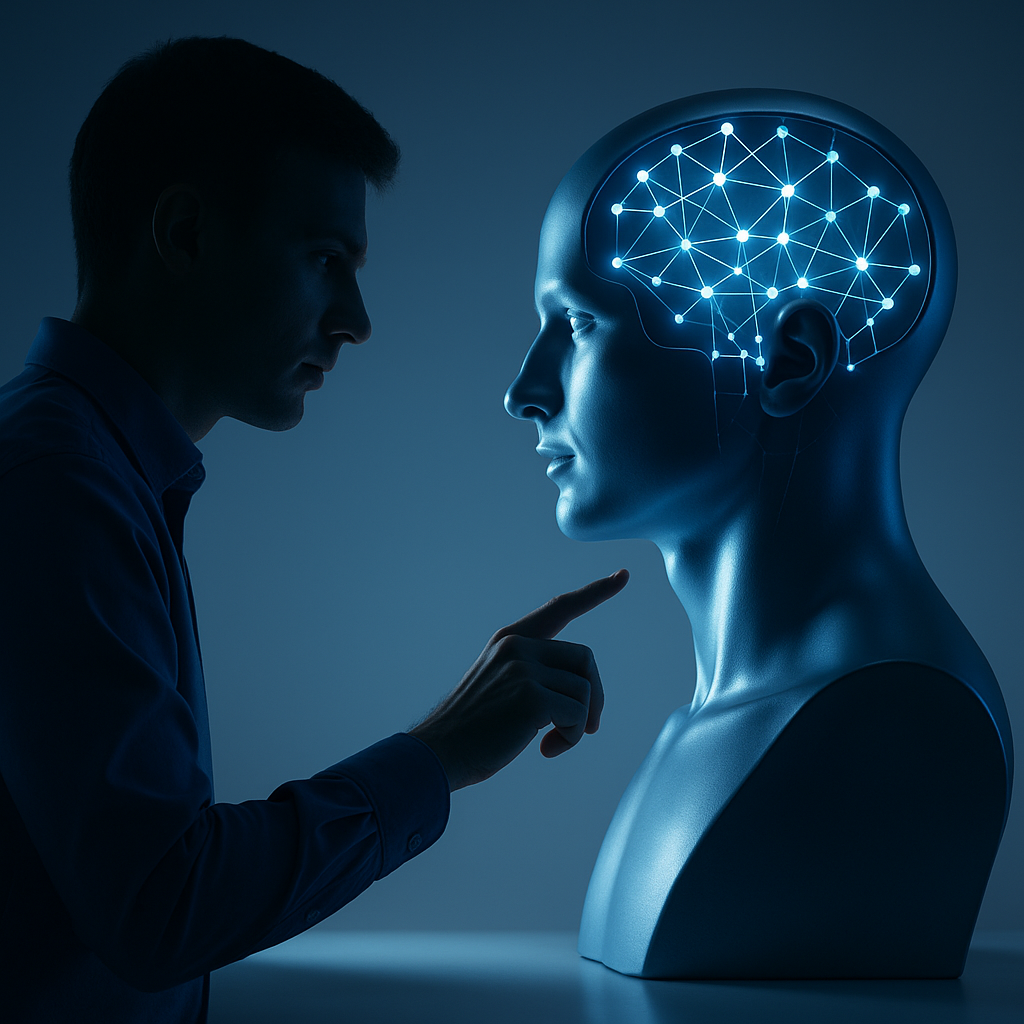
Revolutionary Advances in Работа с Нейросетями: Transforming AI Models Worldwide
червень 7, 2026
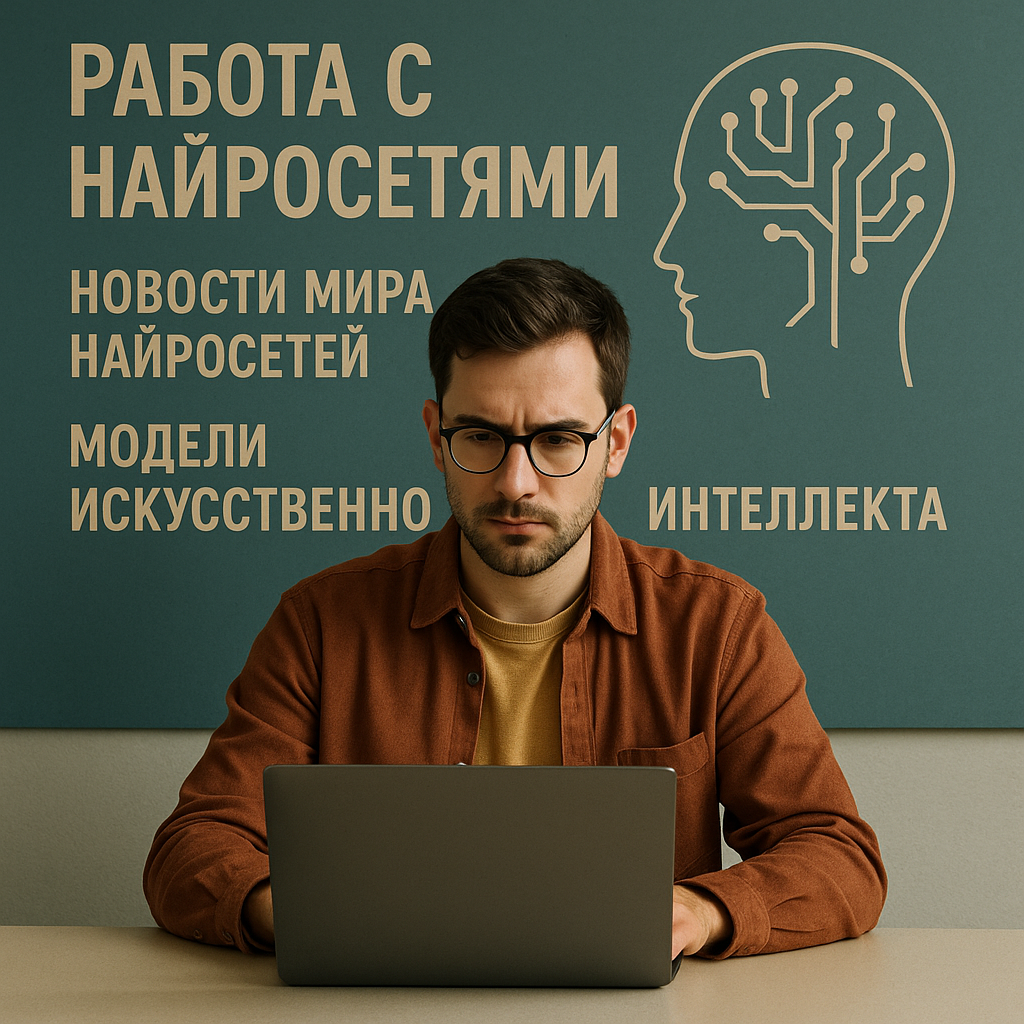
Discover How to Understand Работа с Нейросетями and AI Models Without Jargon
червень 7, 2026
Insights from the Experts: The Future of Image Generators and Their Impact on Ar...
червень 7, 2026

Maximum Potential
Отримайте повний досвід із планом Pro
ІНФОРМАЦІЯ