червень 5, 2026
Game-Changer in Digital Art: New Image Generator Breakthrough Redefines Creativity
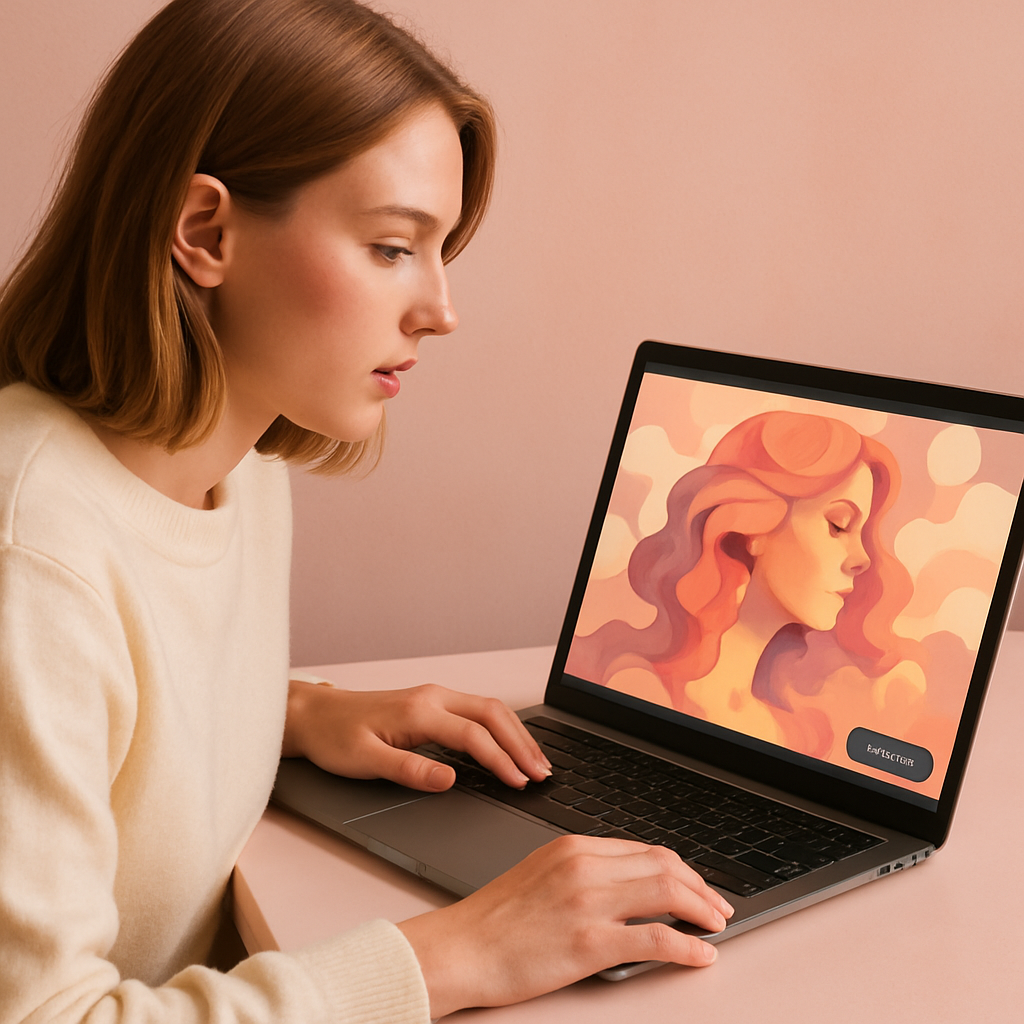
Image Generators
In a remarkable announcement that has captured the attention of technologists, artists, and businesses alike, a leading tech company has unveiled its latest advancement in image generation technology. This breakthrough is not only set to redefine creative processes but also promises to disrupt traditional paradigms across various industries, from advertising to entertainment. The implications of this development extend beyond mere aesthetic enhancement; they raise intriguing questions about authorship, creativity, and the future of digital content.
A New Era in Image Generation
The new image generator leverages advanced artificial intelligence algorithms that enable it to create stunning visual content from simple textual prompts. This technology builds upon previous models but introduces enhanced capabilities that allow for greater detail, stylistic diversity, and responsiveness to user input. By simply typing a phrase or concept, users can now generate high-quality images that previously would have required the expertise of skilled illustrators or graphic designers.
This innovation is being hailed as a significant leap forward in generative AI. Unlike earlier versions which often produced subpar results or required extensive tweaking, this new model delivers output that closely resembles professional artwork. The ability to generate unique images instantaneously could revolutionise not only how images are created but also how they are understood in cultural contexts.
Impacts on Various Industries
The potential impact of this image generator spans numerous sectors:
- Advertising: Marketers can quickly create tailored visuals for campaigns without relying on external graphic design services. This increases agility and reduces costs significantly.
- Entertainment: Filmmakers and game developers can develop concepts and storyboards faster than ever before. Visualising ideas during pre-production stages will be more efficient, allowing teams to explore multiple directions without extensive resources.
- E-commerce: Retailers can produce product images or promotional graphics on-demand, reducing the time between concept and execution while offering personalised experiences for customers.
- Education: Educational institutions might leverage these tools to create engaging visual materials that enhance learning experiences across all subjects.
This shift means many professionals may find their roles evolving rather than becoming obsolete. As image generation becomes more accessible and streamlined, there will likely be an increase in demand for individuals who can harness these tools creatively rather than simply execute traditional design methods.
The Authorial Dilemma
The rise of AI-generated imagery does not come without its challenges. One pressing issue is the question of authorship: if an image is generated by an algorithm based on user input, who holds the rights? Is it the creator of the prompt or the developer of the software? Legal experts indicate that existing copyright laws may need revision to accommodate these shifts in creative ownership dynamics.
Furthermore, concerns regarding originality arise as well. Given that an AI's training data consists primarily of existing works—artistic styles gleaned from countless sources—the risk of unintentional plagiarism looms large. Artists may fear their styles could be replicated without proper credit or compensation.
Cultural Significance
The cultural ramifications surrounding this technology are profound. Digital art has always been a collaborative fusion of human creativity and available tools; however, as AI increasingly becomes a co-creator rather than just a facilitator, society must grapple with redefining what constitutes 'art.' Is art solely a product of human emotion and experience or can machines contribute meaningfully through their algorithms?
This question becomes even more pertinent as AI-generated images gain traction within social platforms and digital galleries. Curators will need frameworks for evaluating pieces born from machine algorithms versus those crafted by human hands—a line that may become increasingly blurred as technology advances further.
A Glimpse into Future Possibilities
The introduction of sophisticated image generators heralds exciting prospects for future developments in AI-enhanced artistry:
- User-Centric Customisation: Future iterations could allow users even deeper levels of customisation—enabling them not just to generate images based on text but also voices or sounds that influence visual outputs.
- Interactive Experiences: Merging gaming dynamics into artistic creation could lead consumers into immersive environments where they directly interact with evolving visuals shaped by their choices.
- Crisis Artistry: Artists confronting censorship might use these generators discreetly—creating works intended for social commentary under repressive regimes while remaining anonymous behind algorithms.
The possibilities are virtually limitless—though they do require careful navigation amidst ethical considerations surrounding creators’ rights and societal implications at large.
A Q&A with Industry Experts
To further understand these advancements' impact on various sectors and cultural discussions surrounding them, we spoke with prominent industry experts:
Q: How do you foresee changes in the role of traditional artists with such powerful tools at our disposal?
A: Traditional artists will likely adapt rather than disappear; many might incorporate these technologies into their practice while focusing on conceptual elements rather than purely technical skills alone.
This evolution allows artists room to explore deeper narratives instead—isn't that why we create?
Q: Will we see more collaboration between human creators and AI systems moving forward?
A: Absolutely! We’re already witnessing projects where artists commission AI-generated inspiration alongside their work—it opens doors for unprecedented partnerships within creative circles!
This breakthrough in image generation marks just the beginning—while we celebrate its potential advantages across various sectors today; we must remain vigilant regarding its broader implications tomorrow. Addressing concerns around ethics, ownership rights & authenticity should guide our path forward if we embrace this innovative frontier responsibly together!
Recent Posts
Head-to-Head: Comparing Top AI Models in Работа с Нейросетями and Their Impact
червень 16, 2026
Debunking Myths: The Realities of Работа с Нейросетями and AI Models Today
червень 16, 2026
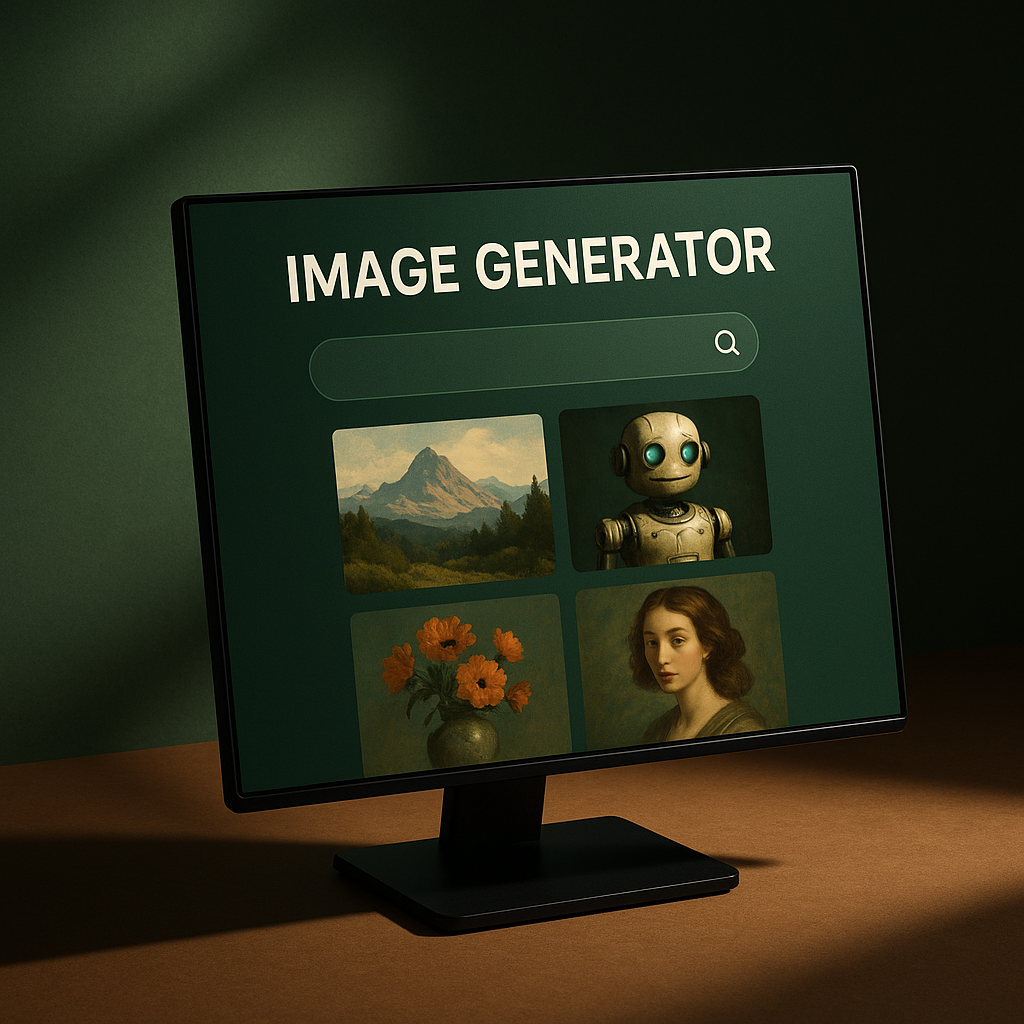
Unlocking Creativity: A Simple Guide to Using Image Generators for Beginners
червень 16, 2026
Maximum Potential
Отримайте повний досвід із планом Pro
ІНФОРМАЦІЯ