червень 2, 2026
Image Generators: Debating Ethics and Innovation in the Creative Landscape
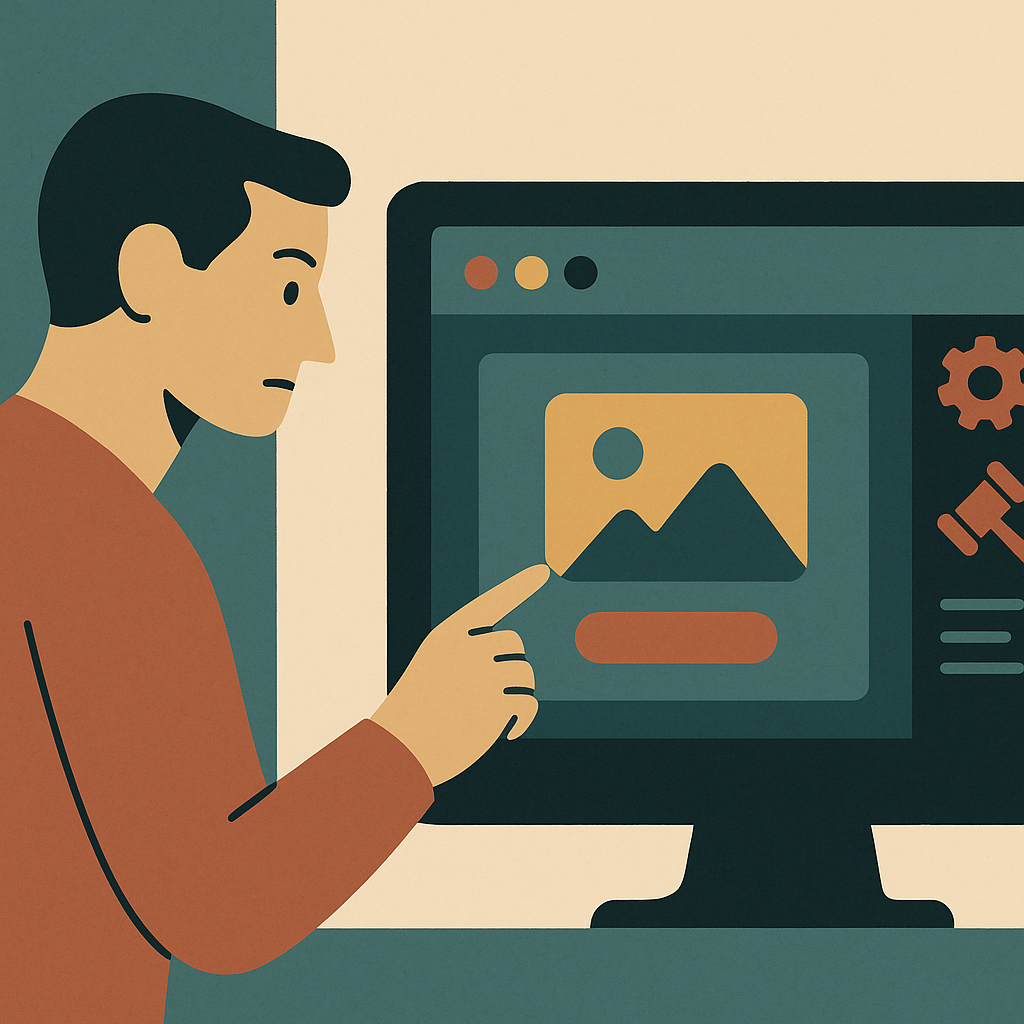
Image Generators
Image generators powered by artificial intelligence (AI) have surged into the spotlight in recent years, presenting a blend of technological marvel and ethical dilemma. As tools capable of creating artwork, illustrations, and photographs from mere text prompts, these systems have revolutionised artistic expression and production. However, their rapid ascension has also ignited a heated debate about copyright infringement, the devaluation of human artistry, and the future role of creativity. In this exploration, we delve into the controversy surrounding AI image generators, evaluating arguments from both proponents and critics.
The Rise of AI Image Generators
AI image generation technology employs machine learning algorithms trained on vast datasets to produce images based on specific user inputs. Notable platforms such as DALL-E 2, Midjourney, and Stable Diffusion allow users to create unique visual content simply by describing their vision in words. These generators are capable of producing everything from photorealistic landscapes to fantastical creatures and abstract art.
This innovation has opened up opportunities for various industries, including advertising, game design, and social media marketing. For many users—designers or laypeople alike—AI image generators provide an accessible means to realise creative ideas without needing advanced artistic skills.
Arguments in Favour of AI Image Generators
Supporters argue that AI image generators broaden the horizons of creativity. They contend that these tools democratise art by enabling anyone to become an artist, regardless of technical prowess. Additionally, proponents highlight several key benefits:
- Boosting Creativity: Many creators see AI as an assistant rather than a replacement. By generating new ideas or iterations on existing concepts quickly, artists can expand their creative possibilities.
- Efficiency: For businesses requiring rapid content creation—a necessity in today’s fast-paced digital world—AI can produce high-quality images in moments compared to traditional methods that require hours or days.
- Cultural Reflection: Some believe that AI-generated images mirror societal trends and popular culture since they are trained on existing data. This reflection can serve as a commentary on contemporary issues through visual form.
The Case Against AI Image Generators
On the flip side, many critics express serious concerns about the implications of these technologies for artists and society at large. The arguments against AI image generators often revolve around ethical considerations:
- Copyright Issues: One significant concern is that these systems often learn from copyrighted works without explicit permission from the original creators. Critics argue this raises questions about intellectual property rights and whether it is fair for machines to generate new works based on existing ones created by humans.
- Devaluation of Art: With AI capable of producing high-quality visuals rapidly, there is apprehension that human artists' value may diminish. Many believe this could lead to a future where original artwork is undervalued compared to outputs generated by machines.
- Lack of Originality: Detractors also argue that AI-generated images lack true originality since they rely heavily on existing datasets. This leads to concerns about creativity becoming overly formulaic and less innovative.
The Impact on Artists
The arrival of image generators has sparked varied reactions among professional artists. Some embrace these technologies as collaborative tools while others feel threatened by them. A common sentiment among artists is the need for clarity regarding authorship: if an AI generates an image based on an artist’s style or previously created work without acknowledgment or compensation, what recourse do those artists have?
A growing number of art communities are calling for stricter regulations around the use of these technologies, advocating for transparency regarding how training datasets are compiled and ensuring proper credit is given where due.
The conversation has expanded beyond individual rights; it encompasses larger philosophical questions about the nature of creativity itself—can machines truly create art? Or do they merely remix existing ideas?
A Balancing Act: Finding Common Ground
- Ethical Frameworks: Establishing clear guidelines concerning the use of copyrighted material in training datasets would be essential in protecting artists’ rights while allowing technological advancement to flourish.
- Acknowledgment Systems: Developing frameworks for attributing original artworks used in training datasets may help ensure creators receive recognition when their work informs machine-generated creations.
- Cultural Conversations: Encouraging open dialogue between technologists and artists could foster understanding regarding each group's needs while promoting responsible use of such technologies.
The Future Landscape
The controversy surrounding AI image generators reveals deep-seated anxieties about technology’s impact on creativity and artistic integrity. While supporters celebrate the innovation at hand—the ability for anyone to express themselves visually using accessible tools—critics remain vigilant about potential repercussions for established art forms and practices.
This landscape will likely continue evolving as both technology advances further into uncharted territory while society grapples with defining new norms around ownership and creativity in a digital age dominated by artificial intelligence.
The ultimate challenge lies not merely in regulating technology but fostering a culture where emerging tools enhance human creativity rather than undermine it—a collaborative effort that respects both innovation's potential benefits while safeguarding artistic values across generations.
Recent Posts
Head-to-Head: Comparing Top AI Models in Работа с Нейросетями and Their Impact
червень 16, 2026
Debunking Myths: The Realities of Работа с Нейросетями and AI Models Today
червень 16, 2026
Unlocking Creativity: A Simple Guide to Using Image Generators for Beginners
червень 16, 2026
Maximum Potential
Отримайте повний досвід із планом Pro
ІНФОРМАЦІЯ