June 16, 2026
Mastering Image Generators: Common Missteps and Tips to Create Flawless Images
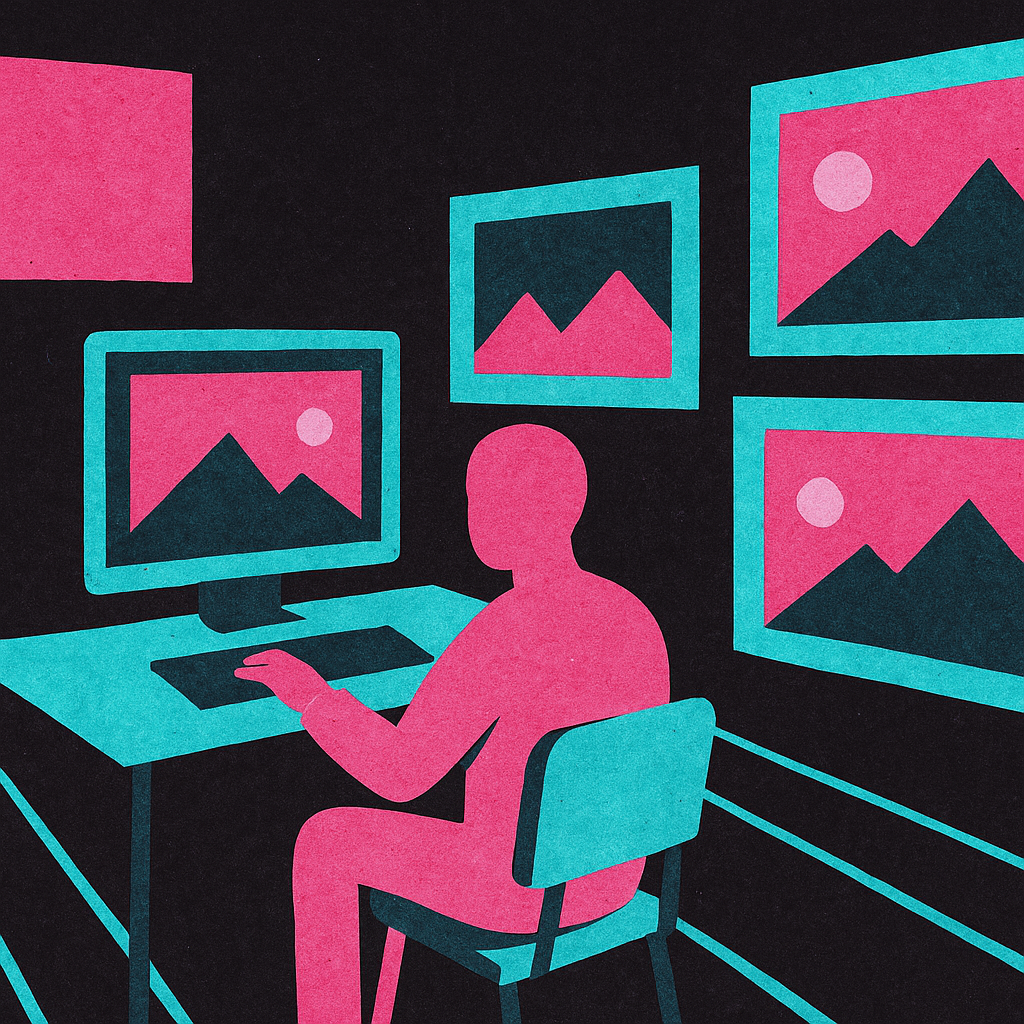
Image Generators
The rise of image generators has transformed the landscape of digital creativity, enabling users to create stunning visuals with just a few clicks. While these tools offer unparalleled convenience and potential for artistic expression, many users stumble when first interacting with them. Understanding common pitfalls can enhance the user experience and yield better results. Below, we explore frequent mistakes people make when using image generators and provide practical tips for avoiding these errors.
1. Overlooking Input Quality
One of the most significant mistakes users make is neglecting the quality of their input prompts. Image generators rely heavily on the instructions provided by users to create images. Vague or poorly phrased prompts often lead to unsatisfactory results.
Tip: Always be specific in your descriptions. Instead of saying “a dog,” consider “a golden retriever playing in a sunny park.” This level of detail helps the generator capture your vision more accurately.
2. Ignoring Style and Context
The context in which an image will be used significantly influences how it should be generated. Many users ignore stylistic choices, resulting in images that don’t align with their intended use—be it for social media, marketing materials, or personal projects.
Tip: When submitting a prompt, specify not only what you want but also how you want it represented. For example, instead of merely requesting “a sunset,” try “a vibrant impressionist painting of a sunset over an ocean.” This ensures that the imagery style aligns with your project’s aesthetic.
3. Failing to Experiment
A common mistake among new users is sticking too rigidly to their initial ideas without experimenting with variations. Image generation is often an iterative process that benefits from trial and error.
Tip: Don’t hesitate to tweak your prompts after seeing initial results. Adjust elements such as color schemes, lighting, or compositions based on what resonates with you or aligns better with your needs. Creativity thrives on exploration!
4. Underestimating Post-Processing Needs
Many believe that once an image is generated, it requires no further work; however, this is often far from the truth. Generated images may need refinement to enhance their professional appeal or fit specific formats.
Tip: Use graphic design software for post-processing adjustments after generating an image. Simple edits like cropping, adjusting contrast, or adding text can elevate a basic generated image into something polished and market-ready.
5. Neglecting Ethical Considerations
The integration of AI-generated content raises important ethical questions that many users overlook when creating images. Issues related to copyright infringement and representation must be considered seriously as misuse can lead to serious consequences.
Tip: Familiarize yourself with copyright laws relating to AI-generated works and ensure you’re not infringing upon existing intellectual property rights when using images generated by these tools. Additionally, think critically about representation in your images; strive for diversity and accuracy in your visual depictions.
6. Relying Solely on One Tool
An all-too-common mistake is relying exclusively on one image generator for all creative needs without exploring other available options. Each tool has unique features and specialties that could suit different projects better than others.
Tip: Experiment with various image generation platforms before settling on one as your primary choice. Understand each platform's strengths and weaknesses so you can select the best tool based on project requirements rather than mere familiarity.
7. Misunderstanding Licensing Agreements
A major issue arises from misunderstandings surrounding licensing agreements associated with generated images—users may not fully grasp what they can legally do with their creations.
Tip: Always read the licensing terms provided by the platform carefully before using any generated content commercially or in public spaces to avoid unintentional violations that could lead to legal complications.
8. Ignoring Community Feedback
The community surrounding image generation platforms can be a valuable resource for learning best practices and gaining insights into effective methods for crafting prompts or refining output quality; however, many new users overlook this aspect entirely.
Tip: Engage actively within forums or online groups dedicated to your chosen tool; share experiences and seek advice to enhance skills more effectively while contributing positively to collective knowledge sharing within the community.
If approached mindfully, utilizing image generators can be an incredibly rewarding experience that enhances creativity without overwhelming complexity if one avoids common pitfalls along the way! By being attentive about input quality, context application style preference iterations opportunities available post-processing ethical considerations tool versatility licensing requirements engaging community insights—all these aspects contribute towards maximizing success outcomes while minimizing frustrations encountered during newfound explorations into artificial intelligence-powered artistry!
The key takeaway here? Don’t shy away from experimenting while embracing learning moments throughout this exciting journey! Image generation represents a frontier where technology meets human imagination—navigate it wisely!
Recent Posts

Breakthrough in Neural Networks: How New AI Models Revolutionize Global Tech
June 16, 2026
Head-to-Head: Comparing Neural Network Models and Their Impact on AI Work Today
June 16, 2026
New Breakthrough in Image Generators Promises to Revolutionize Artistic Expressi...
June 16, 2026

Maximum Potential
Get the full experience with Pro Plan
INFORMATION