June 16, 2026
New Breakthrough in Image Generators Promises to Revolutionize Artistic Expression
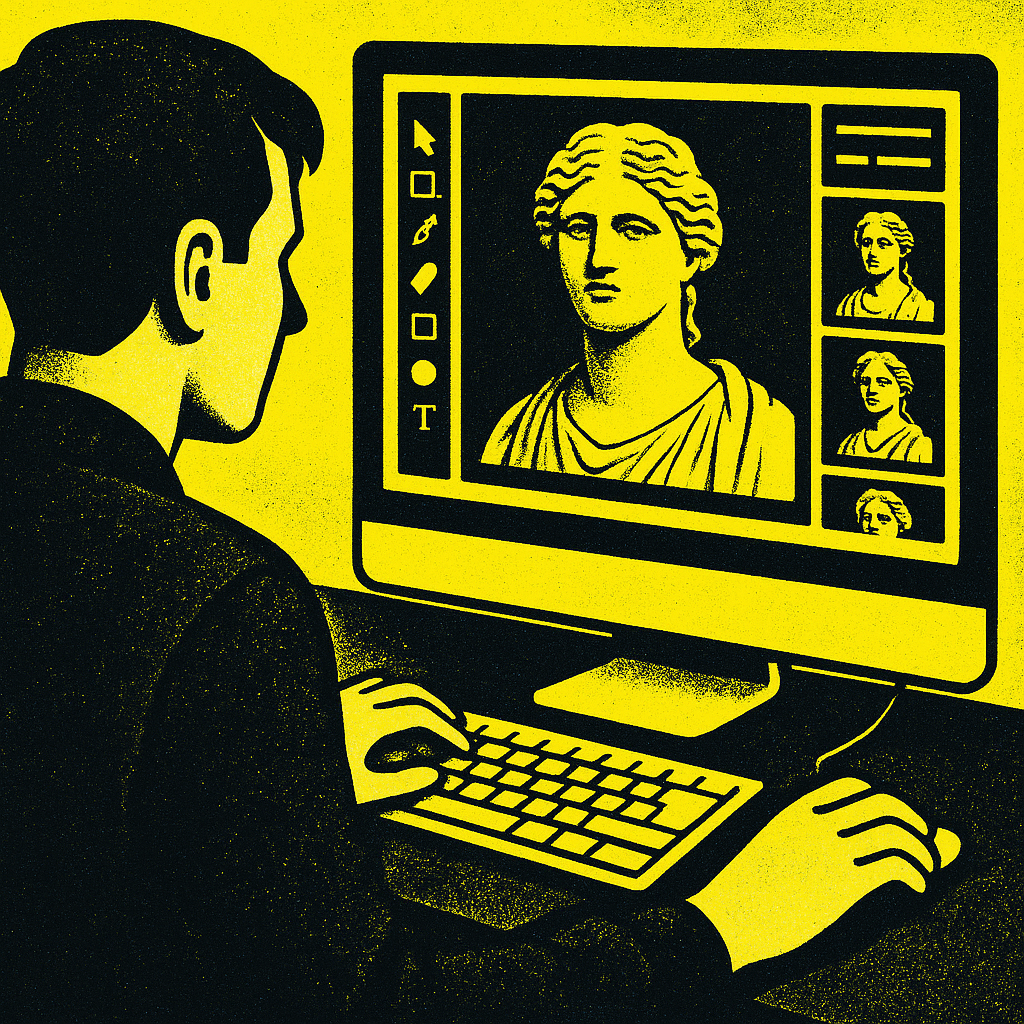
Image Generators
In a significant breakthrough that has captured the attention of technologists, artists, and industry leaders alike, a team of engineers and researchers has unveiled an advanced image generator capable of producing stunningly realistic visuals from mere textual descriptions. This development heralds not only a new era in digital creativity but also poses profound implications for various sectors including advertising, entertainment, and even education.
This latest iteration of image generation technology leverages state-of-the-art artificial intelligence algorithms that have been trained on millions of images combined with their textual descriptions. The result? A system that can interpret nuances in language to create original artworks, graphics, or detailed illustrations in mere seconds. The implications of this technology are far-reaching and multidimensional.
How Does It Work?
The crux of the new image generator lies in its underlying architecture—often referred to as generative adversarial networks (GANs) or diffusion models. These models function through two neural networks: one generates images while the other evaluates them based on quality and adherence to the input text. This competitive framework leads to increasingly sophisticated output as both systems improve through iterative feedback loops.
For instance, if an artist inputs a phrase like “a serene landscape at sunset with mountains in the background,” the system instantly begins generating options based on similar prompts it has learned from its extensive training dataset. As users tweak their input or provide more context, the output becomes more refined until it meets their expectations.
Impact on Various Industries
The capabilities presented by this breakthrough raise numerous questions about its application and impact across various fields:
- Advertising: Marketers can now create bespoke visuals tailored specifically for campaigns without relying on expensive photo shoots or stock photos. This not only reduces costs but also allows for quicker adaptations to market trends.
- Entertainment: Film and video game industries stand to benefit significantly as they can generate concept art rapidly during pre-production phases. Screenwriters could visualize scenes in real-time as they draft scripts, enhancing creative collaboration.
- Education: Educators can utilize AI-generated imagery to create customized learning materials that cater to different learning styles and enhance student engagement. Visual aids can be created dynamically based on curricular needs.
A New Frontier for Artists
The integration of such technology into creative fields raises critical conversations about authorship and originality. For many artists, this could represent a powerful tool to bolster their stylistic exploration without necessitating monumental time investments in preliminary designs. Yet concerns loom regarding potential over-reliance on machine-generated content versus authentic human artistry.
Certain digital artists may find their roles evolving into those of curators or directors instead of sole creators, allowing them more time to focus on higher-level concepts while using tools for execution. However, others warn against the commodification of artistic expression if AI begins dominating visual creation processes.
The Ethical Considerations
This groundbreaking capability does not come without ethical considerations that need addressing. As image generation becomes more pervasive across industries, issues related to copyright infringement arise; who owns an image created by an algorithm? Furthermore, there is an inherent risk of misuse—for instance, generating misleading imagery or deepfakes that could undermine trust in visual media.
The developers behind this breakthrough are advocating for responsible use policies and actively engaging with stakeholders across sectors to establish guidelines that protect both creators’ rights and consumer trust. They are committed to transparency regarding how these models operate and the datasets used in training them.
A Future Shaped by Creativity
As businesses begin integrating these advanced tools into workflows, we may witness a transformative impact not just artistically but culturally as well. The democratization of creation means anyone—regardless of skill level—can generate high-quality images by simply articulating their ideas with words.
The Road Ahead: What’s Next?
The release has spurred excitement about what’s next for image generators beyond merely creating static images. Developers envision future iterations incorporating animated visuals, allowing users to craft short films or dynamic presentations purely from text prompts within moments rather than weeks or months traditionally required for animation work.
Moreover, innovations around customization will likely evolve further; imagine personalizing art styles ranging from Renaissance classics to contemporary street art—all generated instantaneously with precise algorithms reflecting individual user preferences.
A Q&A with Experts
Q: Will this technology replace traditional artists?
A: While it may change how artists engage with visual media, it will likely serve as a complement rather than a replacement—spurring new forms of collaboration between machines and humans rather than full displacement.
Q: How will regulatory bodies respond?
A: We expect regulatory discussions around intellectual property laws and ethical usage standards will intensify as these technologies become mainstream. Proactive communication between technologists and lawmakers is essential here.
Q: What are potential risks involved?
A: Alongside copyright concerns arises the risk of disinformation through fabricated imagery which could manipulate public perception—a pressing issue requiring robust countermeasures including improved fact-checking methodologies alongside technological advancements.
A New Chapter Begins
This recent breakthrough marks just another chapter in humanity's ever-evolving relationship with technology—in this case enhancing our capacity for creativity through innovative approaches while raising important questions that society must grapple with moving forward. As we embrace these changes together, we stand at the precipice where imagination meets possibility—the potential truly remains limitless.
Recent Posts
Breakthrough in Neural Networks: How New AI Models Revolutionize Global Tech
June 16, 2026
Head-to-Head: Comparing Neural Network Models and Their Impact on AI Work Today
June 16, 2026
Mastering Image Generators: Common Missteps and Tips to Create Flawless Images
June 16, 2026
Maximum Potential
Get the full experience with Pro Plan
INFORMATION