березень 2, 2026
Revolutionising Creativity: How Image Generators are Shaping Modern Art
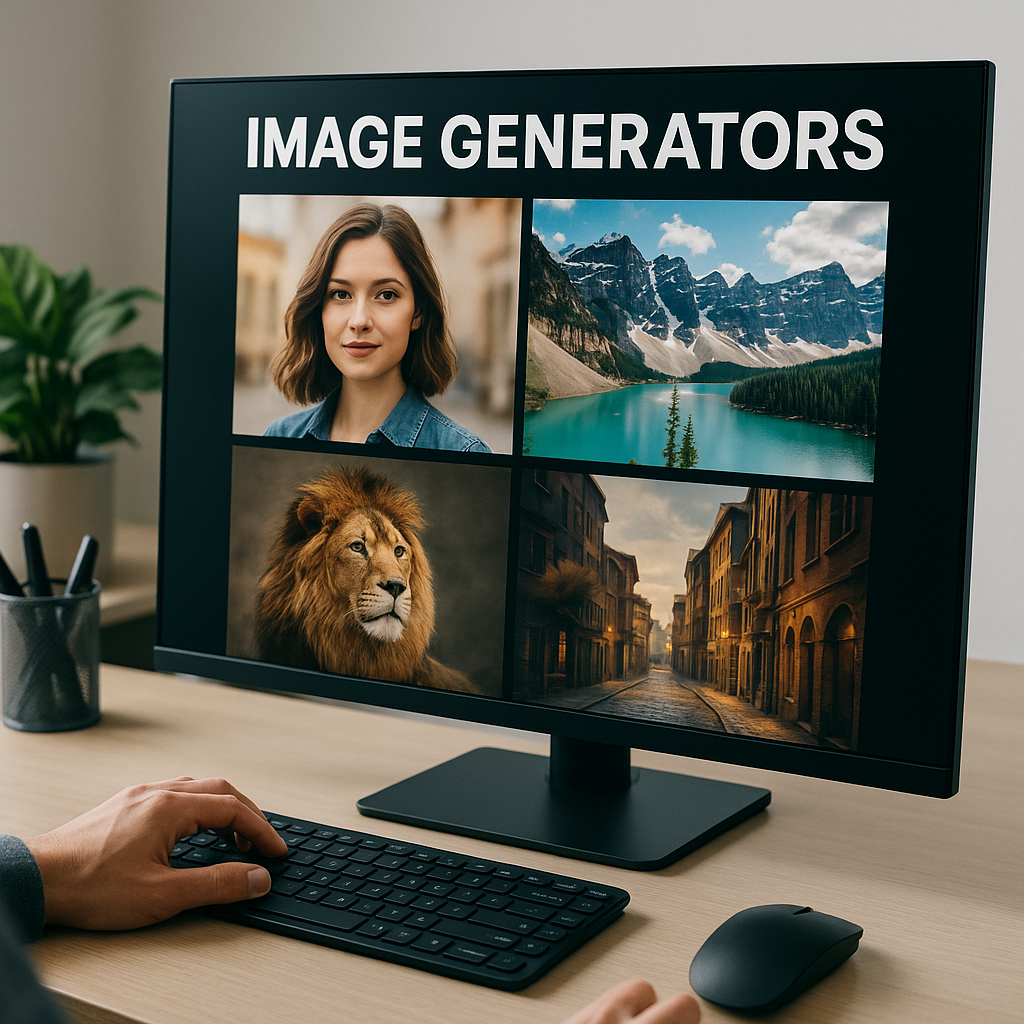
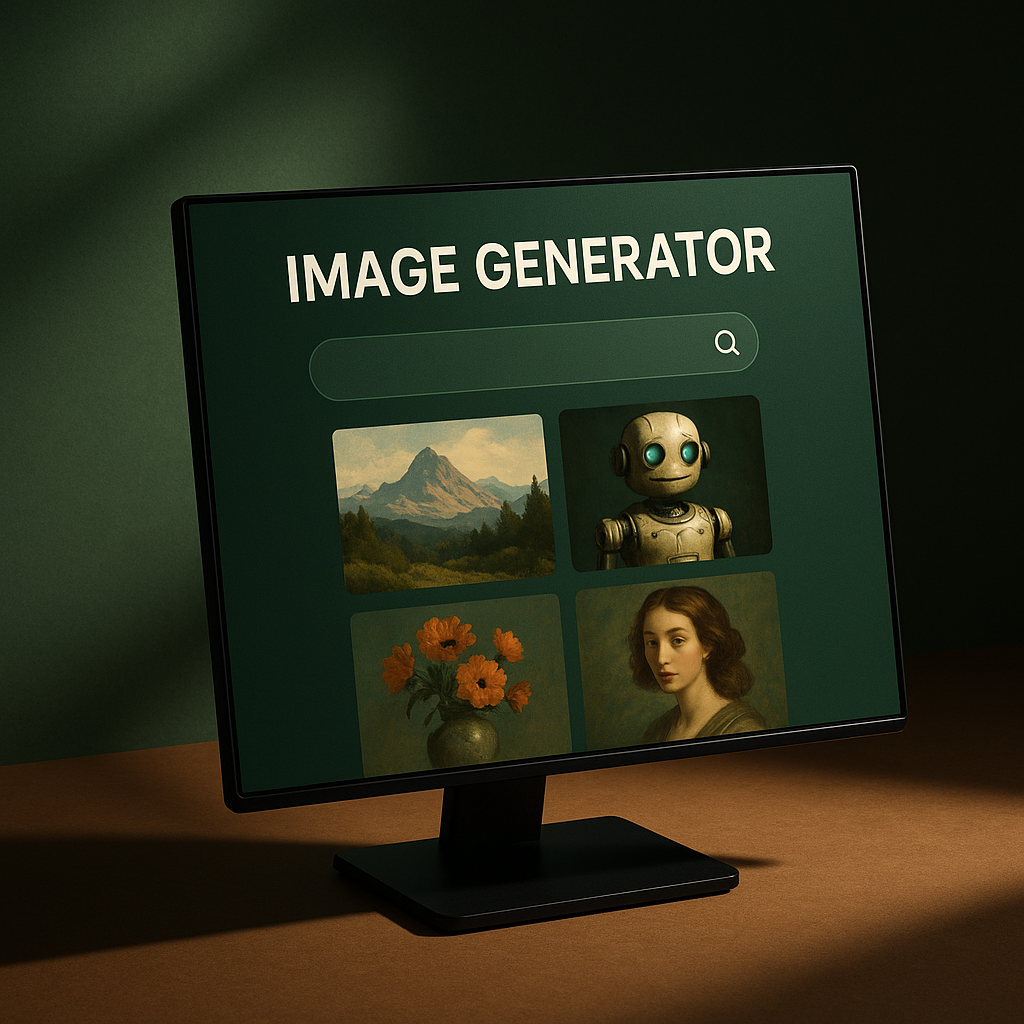
Image Generators
The rapid evolution of technology has given rise to an exciting new frontier in digital creativity: image generators. These sophisticated tools, powered by advanced algorithms and artificial intelligence, are enabling users to create stunning visuals with minimal effort. While the concept of machines creating art may seem like a futuristic dream, image generators are now a reality, impacting various industries, including advertising, gaming, and even fine art. This article delves into the mechanics behind image generators, their applications, and the potential implications for the future of creativity.
At the heart of image generators lies a powerful form of artificial intelligence known as generative adversarial networks (GANs). A GAN consists of two neural networks—the generator and the discriminator—that work in tandem to create realistic images. The generator creates new images based on input data, while the discriminator evaluates them against real images. Over time, the generator learns to produce images that are increasingly indistinguishable from reality, resulting in high-quality outputs that can range from photorealistic portraits to abstract designs.
One of the most well-known applications of image generators is in the realm of art. Artists and designers are increasingly leveraging these tools to augment their creative processes. For instance, platforms like DALL-E and MidJourney allow users to input textual descriptions, which the AI then transforms into unique visual representations. This synergy between human creativity and machine learning has opened up new avenues for artistic expression, enabling creators to experiment with styles and concepts that may have previously been beyond their reach.
Moreover, image generators are making waves in industries such as advertising and marketing. Brands are utilising AI-generated images to create eye-catching visuals for their campaigns without the need for extensive photoshoots or graphic design expertise. This not only reduces costs but also expedites the production process. The ability to generate bespoke images tailored to specific target audiences allows marketers to enhance their engagement strategies effectively.
In the gaming industry, image generators are being employed to create expansive, immersive worlds that captivate players. Game developers can use these tools to generate backgrounds, characters, and even entire landscapes, allowing for the rapid prototyping of game environments. This not only accelerates the development process but also enriches the gaming experience, as players encounter unique visuals that can evolve with each new playthrough.
However, the rise of image generators also raises critical ethical questions. The ease with which these tools can produce realistic images has led to concerns about authenticity and ownership. As AI-generated content becomes more prevalent, distinguishing between human-created art and machine-generated images may become increasingly challenging. This ambiguity can have implications for copyright laws, as artists and designers grapple with the question of who owns the rights to an image produced by an AI.
Additionally, there is the risk of misuse. Image generators can be employed to create misleading or harmful content, such as deepfakes or propaganda. The ability to fabricate realistic images can be exploited for nefarious purposes, leading to misinformation and potential societal harm. As a result, it is imperative for developers and regulators to establish guidelines and ethical frameworks that govern the use of these technologies.
In response to these challenges, some companies are implementing measures to ensure responsible usage of image generators. For instance, certain platforms require users to disclose when content has been AI-generated, promoting transparency and accountability. Furthermore, ongoing discussions within the art community are exploring the concept of "AI art" and its place in traditional artistic practices, aiming to redefine the boundaries of creativity in the digital age.
Despite the challenges, the potential of image generators is undeniable. They are democratizing access to creative tools, allowing individuals with limited artistic skills to produce high-quality visuals. This shift could lead to an explosion of creativity, as more people engage with art and design in ways that were previously inaccessible. The fusion of human imagination and AI capabilities has the potential to democratise art, making it a collaborative process rather than one confined to a select few.
Looking ahead, the future of image generators appears promising. As technology continues to advance, we can expect enhancements in the quality and versatility of AI-generated images. Researchers are working on improving the algorithms behind these tools, aiming to make them more intuitive and user-friendly. Additionally, as the conversation around AI-generated content evolves, we may witness the emergence of new genres and styles that blend human and machine creativity.
In conclusion, image generators represent a transformative force in the world of digital creativity. They are reshaping the way we approach art, design, and visual communication, providing new opportunities and challenges. As we navigate this uncharted territory, it is crucial to foster a dialogue about the ethical implications and creative possibilities that these technologies offer. Embracing both the benefits and the responsibilities that come with such innovations will be key to ensuring that image generators contribute positively to the artistic landscape of the future.
Recent Posts
Head-to-Head: Comparing Top AI Models in Работа с Нейросетями and Their Impact
червень 16, 2026
Debunking Myths: The Realities of Работа с Нейросетями and AI Models Today
червень 16, 2026
Unlocking Creativity: A Simple Guide to Using Image Generators for Beginners
червень 16, 2026
Maximum Potential
Отримайте повний досвід із планом Pro
ІНФОРМАЦІЯ