березень 23, 2026
Revolutionising Creativity: How Image Generators are Shaping the Future of Art
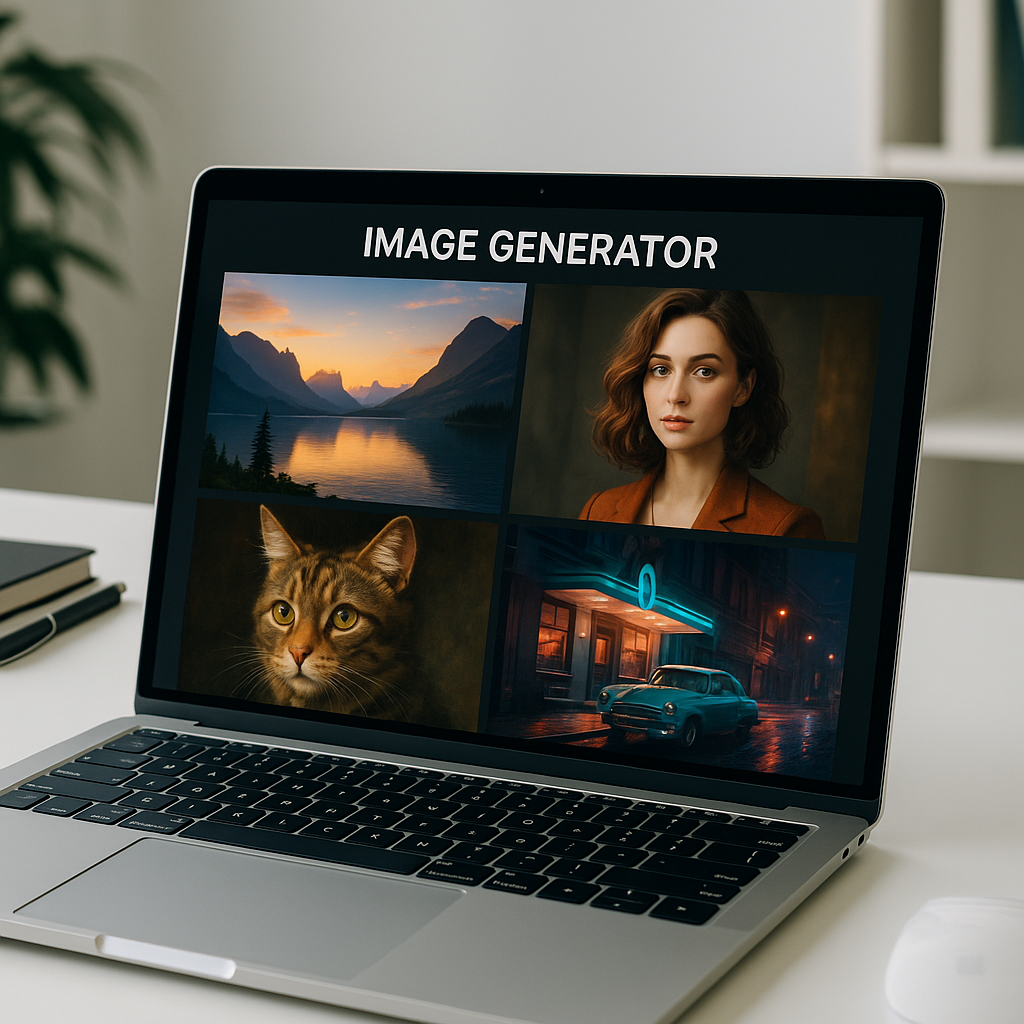
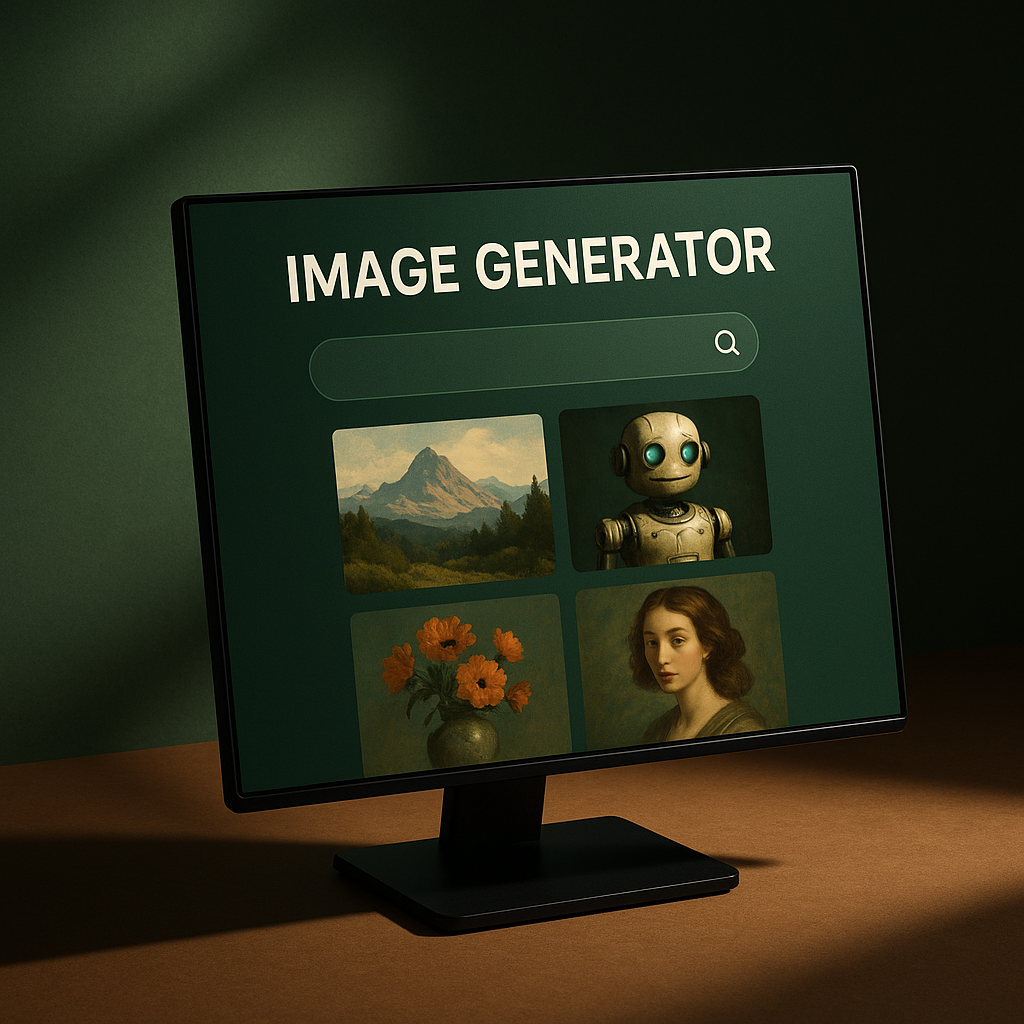
Image Generators
In recent years, image generators have surged in popularity, transforming the landscape of digital art and content creation. These sophisticated tools, powered by artificial intelligence, allow users to create stunning visual content with just a few clicks. As technology advances, image generators have evolved from basic software to complex systems capable of producing high-quality images that can rival those created by professional artists.
At the heart of these innovations lies the use of deep learning algorithms, particularly Generative Adversarial Networks (GANs) and diffusion models. GANs consist of two neural networks – a generator and a discriminator – that work in tandem. The generator creates images based on random noise, while the discriminator evaluates these images against real-world samples, providing feedback that helps the generator improve over time. This iterative process enables the creation of realistic and detailed images, from abstract art to lifelike portraits.
One of the most notable advancements in image generation is the introduction of tools like DALL-E, Midjourney, and Stable Diffusion. These platforms allow users to input descriptive text prompts, which the generator interprets to produce corresponding images. For instance, a user could enter a phrase like “a sunset over a futuristic city,” and within moments, the generator would create a unique visual representation of that scene. This capability has opened up new avenues for creativity, enabling artists, marketers, and content creators to produce bespoke imagery tailored to their specific needs.
The impact of image generators extends far beyond the realm of art. Businesses are increasingly utilising these tools for marketing and branding purposes. With the ability to create custom visuals on demand, companies can maintain a fresh and engaging online presence without the need for extensive design resources. Furthermore, image generators can facilitate rapid prototyping, allowing businesses to visualise products or concepts before investing in physical production.
However, the rise of image generators also raises significant ethical and legal questions. As the technology becomes more accessible, concerns about copyright infringement and the potential for misuse are growing. For instance, if an image generator creates a piece of art that closely resembles an existing work, who owns the rights to that image? Additionally, the potential for generating misleading or harmful content, such as deepfakes or disinformation, poses challenges that society must address.
In response to these concerns, some companies are implementing measures to ensure responsible use of their image generation technologies. For example, OpenAI, the creator of DALL-E, has established guidelines that prohibit the generation of explicit content or images that could be used to spread misinformation. Furthermore, there is a growing emphasis on transparency, with developers encouraged to disclose the training data and algorithms used in their models. This approach not only fosters accountability but also helps users understand the limitations and capabilities of these tools.
The rise of image generators has also sparked discussions about the role of human creativity in the digital age. While these tools can produce impressive results, some critics argue that they lack the emotional depth and nuanced understanding that human artists bring to their work. This has led to a broader debate about the definition of art and the value of human creativity in an era dominated by artificial intelligence.
Despite these challenges, many artists and creatives are embracing image generators as a new medium for expression. For some, these tools act as collaborators rather than replacements, enabling them to explore new styles and techniques. Artists can leverage the capabilities of image generators to enhance their creative process, using generated images as a starting point or inspiration for their own work. This symbiotic relationship between technology and creativity underscores the potential for innovation in the art world, allowing for new forms of expression and exploration.
Moreover, educational institutions are beginning to recognise the value of teaching students about image generators and AI-driven art. By incorporating these technologies into art and design curricula, educators are preparing the next generation of creatives to navigate an evolving landscape where traditional skills intersect with cutting-edge technology. Students learn to harness the power of AI while critically engaging with the ethical implications of their work, fostering a holistic understanding of art in the digital age.
As image generators continue to advance, the possibilities for their application seem limitless. Industries such as gaming, entertainment, and even fashion are beginning to explore the potential of AI-generated imagery to enhance their offerings. In gaming, for example, developers can use image generators to create unique assets or environments, reducing development time and costs. Similarly, fashion designers are experimenting with AI-generated clothing designs, pushing the boundaries of creativity and innovation.
Looking to the future, it is clear that image generators will play a pivotal role in shaping the creative landscape. As these tools become increasingly sophisticated and accessible, they will likely redefine the relationship between artists, technology, and audiences. The challenge will be to harness the power of these innovations while navigating the ethical complexities they present.
In conclusion, image generators represent a remarkable intersection of technology and creativity, offering exciting opportunities for artists, businesses, and educators alike. While the ethical implications and challenges associated with these tools cannot be overlooked, their potential to inspire and transform the creative process is undeniable. As we move forward, it will be essential to foster an environment that encourages responsible use and celebrates the collaborative potential of human creativity and artificial intelligence.
Recent Posts
Head-to-Head: Comparing Top AI Models in Работа с Нейросетями and Their Impact
червень 16, 2026
Debunking Myths: The Realities of Работа с Нейросетями and AI Models Today
червень 16, 2026
Unlocking Creativity: A Simple Guide to Using Image Generators for Beginners
червень 16, 2026
Maximum Potential
Отримайте повний досвід із планом Pro
ІНФОРМАЦІЯ