квітень 29, 2026
Revolutionising Creativity: How Image Generators Are Shaping the Future of Art
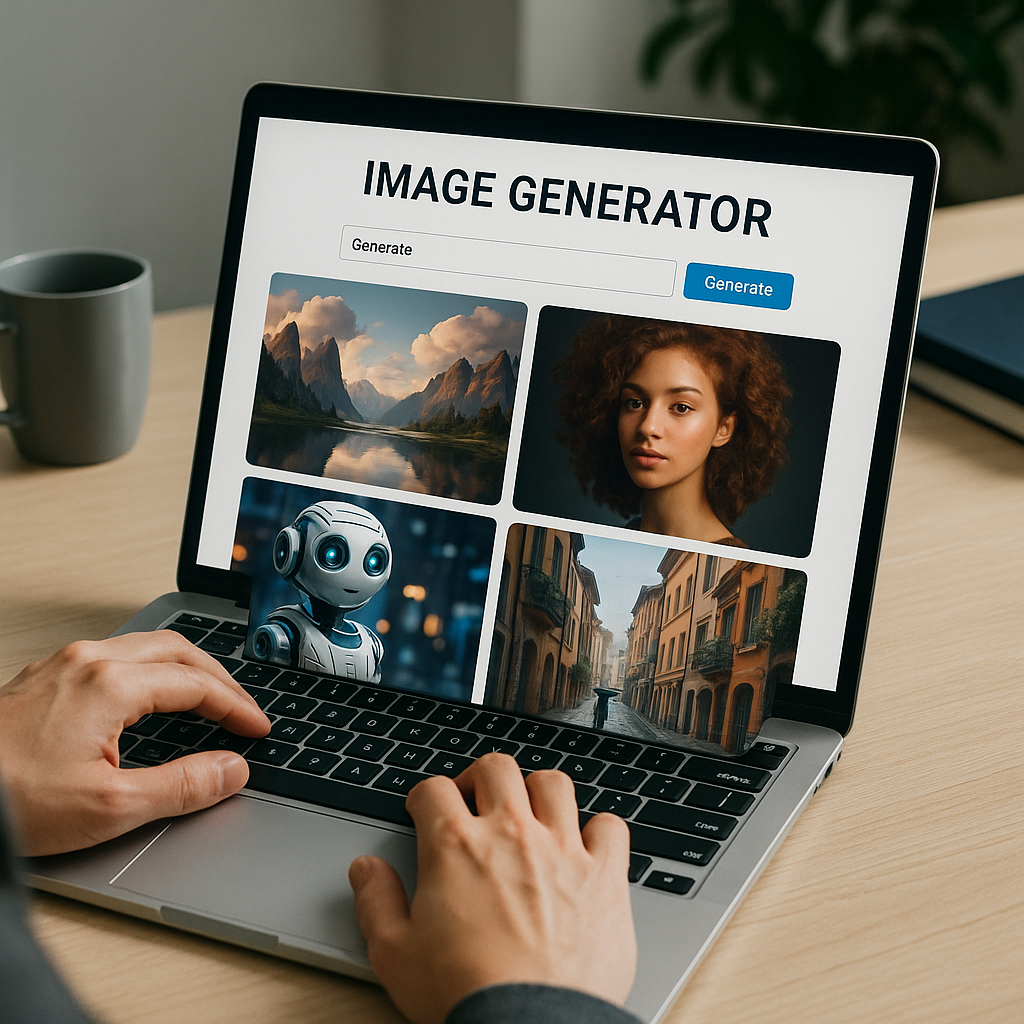
Image Generators
In recent years, image generators have surged to the forefront of technological innovation, reshaping the landscape of digital art, marketing, and content creation. These advanced tools leverage artificial intelligence (AI) to produce stunning visuals in mere seconds, allowing users to create everything from illustrations to photorealistic images with little to no artistic skill. As their popularity grows, so too does the conversation surrounding their implications for artists, industries, and society as a whole.
At the heart of image generation technology lies a branch of AI known as Generative Adversarial Networks (GANs). This sophisticated framework comprises two neural networks: a generator that creates images and a discriminator that evaluates them. The generator strives to produce images that are indistinguishable from real ones, while the discriminator continually learns to identify what makes an image "real" versus "fake." This interplay leads to the creation of increasingly sophisticated images, pushing the boundaries of what AI can achieve.
One of the most notable examples of this technology is OpenAI's DALL-E, which gained significant attention for its ability to generate imaginative images from textual descriptions. Users can input a phrase like "a two-headed flamingo wearing a top hat," and the AI will produce a unique visual representation of that concept. This capability has not only captivated the public but has also sparked discussions about creativity, ownership, and the future of artistic expression.
The implications of image generators extend far beyond the world of art. In marketing, for instance, companies are harnessing these tools to create tailored advertisements and promotional materials at a fraction of the traditional cost. Brands can generate multiple variations of an image to test consumer reactions, allowing for more targeted and effective marketing strategies. This agility is particularly crucial in today’s fast-paced digital environment, where businesses must adapt quickly to changing consumer preferences.
Moreover, the gaming industry is experiencing a revolution due to image generation technology. Game developers can use AI-generated graphics to create expansive worlds and characters, significantly reducing the time and resources typically required for manual design. This not only enhances the gaming experience but also enables indie developers to produce high-quality content without the need for large teams or budgets.
However, the rise of image generators is not without its controversies. One of the most pressing concerns is the potential for copyright infringement. As these AI systems are trained on vast datasets, they often incorporate elements from existing works, leading to questions about ownership and intellectual property rights. Artists worry that their styles may be replicated without permission, undermining their livelihoods and creative efforts. The legal system is still grappling with how to address these concerns, resulting in a complex landscape for creators and technologists alike.
Furthermore, the ethical implications of image generation cannot be overlooked. The ease with which anyone can create realistic images raises the spectre of misinformation and deepfakes, which can be used to manipulate public perception or spread false information. As image generators become more sophisticated, distinguishing between real and artificially created content may become increasingly challenging, posing risks to journalism, politics, and public trust.
In response to these challenges, several platforms have implemented measures to promote responsible use of image generators. For example, some services watermark AI-generated images or provide users with guidelines on ethical usage. Additionally, discussions surrounding the ethical implications of AI-generated content are becoming more prominent within academic and industry circles, leading to the development of best practices and frameworks for responsible creation and distribution.
As image generators continue to evolve, they are also democratizing art and design. Individuals without formal training can now create visually appealing content, allowing for a more diverse range of voices and perspectives in the creative landscape. This shift has the potential to challenge traditional notions of artistry and expertise, fostering a culture that celebrates innovation and inclusivity.
Furthermore, educational institutions are beginning to integrate image generation technology into their curricula, equipping students with the skills needed to navigate a rapidly changing creative environment. By embracing these tools, the next generation of artists and designers can leverage AI to enhance their work, pushing the boundaries of creativity and expression.
In the broader context, the rise of image generators signifies a shift in how we understand and interact with technology. The ability to create images on demand reflects a growing integration of AI into everyday life, prompting discussions about the role of technology in our creative processes. As society grapples with these changes, it becomes essential to foster a dialogue that balances innovation with ethical considerations, ensuring that technological advancements serve to enhance, rather than undermine, the artistic community.
Looking to the future, the potential applications for image generators are vast and varied. From personalised artwork tailored to individual tastes to innovative uses in virtual reality and augmented reality experiences, the possibilities are limited only by our imagination. As developers continue to refine these technologies, we can anticipate even more sophisticated tools that will redefine the boundaries of creativity and artistic expression.
In conclusion, image generators represent a significant leap forward in the capabilities of artificial intelligence, offering exciting opportunities while also raising important ethical and legal questions. As we navigate this new landscape, it is crucial for creators, technologists, and policymakers to engage in meaningful conversations about the implications of these tools. The future of art and technology lies in our ability to harness innovation responsibly, fostering an environment where creativity can flourish without compromising the rights and livelihoods of artists.
Recent Posts
Head-to-Head: Comparing Top AI Models in Работа с Нейросетями and Their Impact
червень 16, 2026
Debunking Myths: The Realities of Работа с Нейросетями and AI Models Today
червень 16, 2026
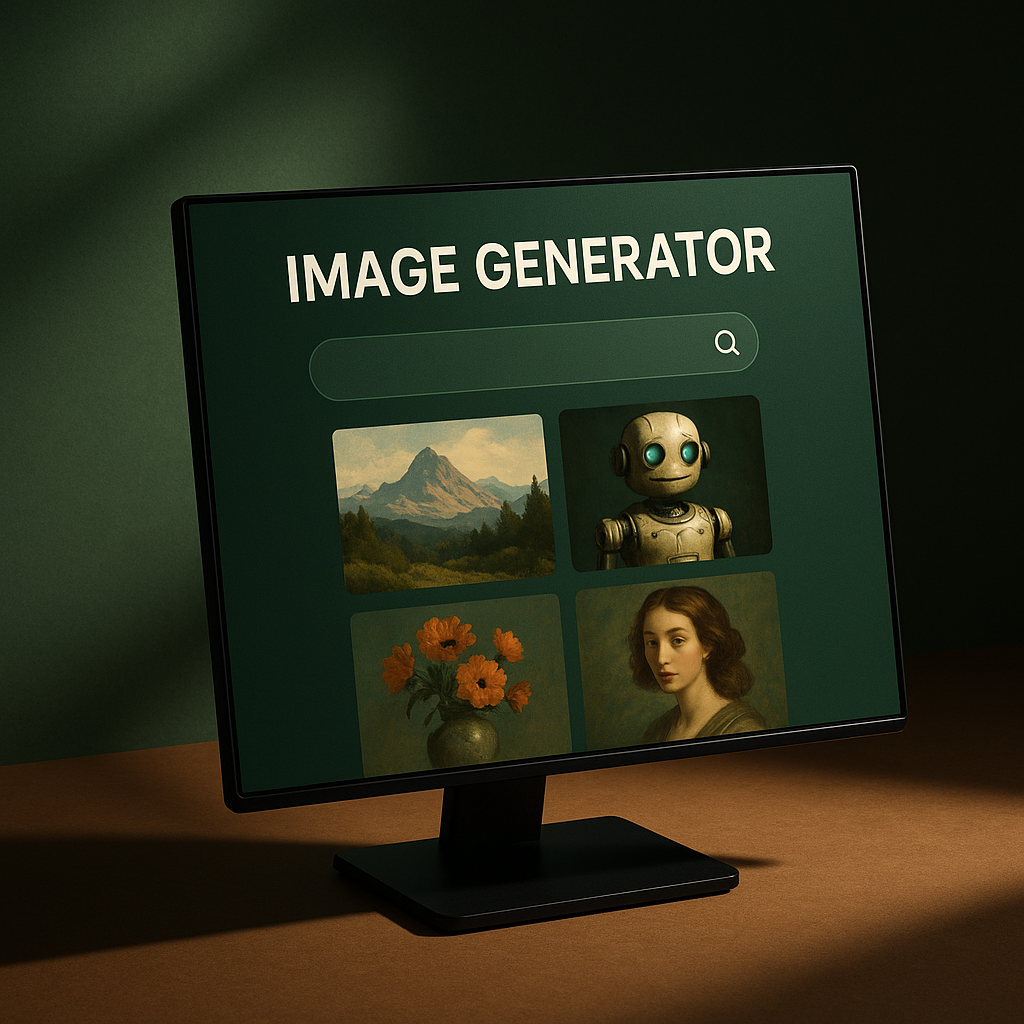
Unlocking Creativity: A Simple Guide to Using Image Generators for Beginners
червень 16, 2026
Maximum Potential
Отримайте повний досвід із планом Pro
ІНФОРМАЦІЯ