березень 19, 2026
Revolutionising Creativity: How Image Generators Are Transforming Art and Design
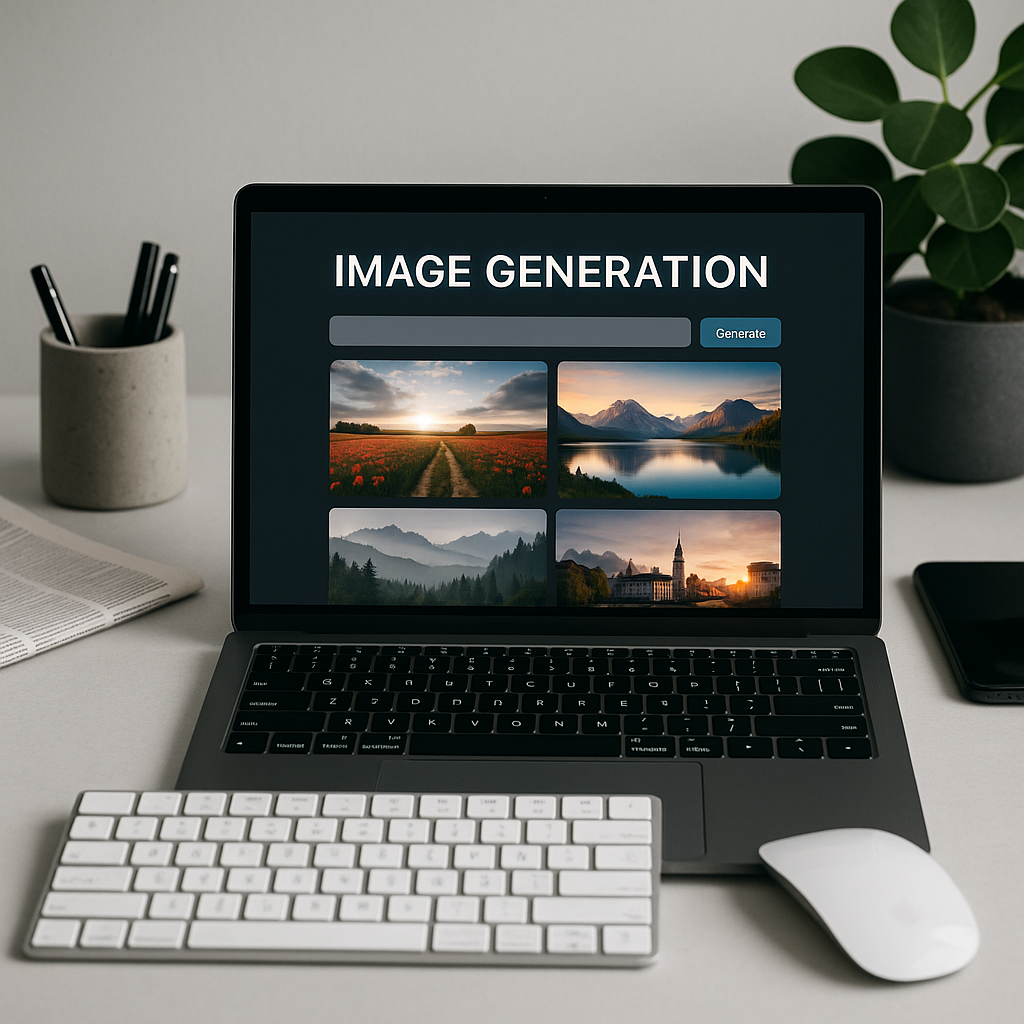
Image Generators
The rise of image generators, powered by artificial intelligence (AI), has transformed the landscape of digital art, design, and content creation. These sophisticated tools utilise deep learning algorithms to generate images based on textual descriptions, opening a new frontier for artists, marketers, and businesses. As the technology continues to evolve, it raises questions about creativity, copyright, and the future of visual content.
Image generators operate on the principle of machine learning, specifically using models known as Generative Adversarial Networks (GANs) or diffusion models. These systems are trained on vast datasets comprising millions of images, allowing them to learn the intricacies of visual aesthetics and composition. When a user inputs a descriptive prompt, the AI interprets the text and produces images that align with the given parameters. This capability has made it easier for individuals without formal artistic training to create stunning visuals, democratizing the field of digital art.
One of the most notable examples of image generators is OpenAI’s DALL-E, which gained significant media attention for its ability to create imaginative and coherent images from simple text prompts. For instance, users can request an image of “a two-headed flamingo wearing a top hat” and receive a unique and high-quality representation of that concept. Such tools have inspired a wave of creative experimentation, with users exploring fantastical scenarios that push the boundaries of traditional art forms.
The implications of this technology extend far beyond mere novelty. In the commercial sector, image generators are becoming an invaluable resource for marketers and businesses seeking to create engaging visual content quickly. With the ever-increasing demand for high-quality images across social media platforms, websites, and advertising campaigns, AI-generated visuals can provide a cost-effective solution. Brands can generate bespoke images tailored to their specific needs without the time and expense associated with traditional photography or graphic design.
Moreover, the efficiency of image generators allows for rapid prototyping and iteration. Designers can test various visual concepts in a matter of minutes, adapting their approach based on immediate feedback. This level of agility is particularly beneficial in fast-paced industries, where the ability to pivot creatively can mean the difference between success and failure.
Despite the advantages, the proliferation of image generators has sparked a heated debate regarding intellectual property rights and the nature of creativity. As AI systems learn from existing artworks, questions arise about the ownership of the images they produce. If an AI generates an image based on a prompt that closely resembles an existing piece of art, who holds the copyright? The original artist, the user who provided the prompt, or the developers of the AI software? These legal ambiguities are prompting discussions within the creative community and among policymakers about the need for updated copyright laws that can accommodate this new technological landscape.
Furthermore, the ethical implications of AI-generated art cannot be overlooked. Critics argue that relying on machine-generated images may undermine the value of human creativity and artistry. The unique emotional depth and personal experiences that human artists bring to their work cannot be replicated by algorithms, leading to concerns that the proliferation of AI-generated content may dilute the authenticity of visual art. However, proponents of the technology contend that image generators can serve as tools to augment human creativity rather than replace it. By automating repetitive tasks, artists can focus on more complex and meaningful aspects of their work, fostering collaboration between human ingenuity and machine efficiency.
As part of this evolving narrative, the use of image generators has also raised concerns about the potential for misuse. With the ability to create hyper-realistic images, there is a risk of generating misleading or harmful content. The emergence of deepfakes, for instance, demonstrates how AI can be employed to manipulate images and videos for nefarious purposes. This has led to calls for stronger regulations and ethical guidelines surrounding the use of AI-generated content to prevent misinformation and protect individuals' rights.
In response to these challenges, several organisations are working to establish ethical frameworks and best practices for the responsible use of AI in creative fields. Initiatives aimed at promoting transparency in how AI models are trained, as well as ensuring that artists are properly credited and compensated for their work, are gaining traction. These efforts reflect a growing recognition of the need to balance innovation with accountability in the face of rapid technological advancements.
The future of image generators is undeniably bright, with ongoing advancements in AI technology promising even more sophisticated and nuanced capabilities. As these tools become more accessible, we can expect to see an expansion of their applications across various sectors, from advertising and entertainment to education and healthcare. For instance, in the realm of healthcare, image generators could assist in creating visual aids for medical training or patient education, bridging gaps in understanding complex medical concepts.
As image generators continue to evolve, they will undoubtedly reshape the way we think about art, creativity, and visual storytelling. The potential for collaboration between human artists and AI is vast, and as society navigates the complexities of this technology, it will be crucial to foster an environment that encourages innovation while respecting the rights and contributions of all creators. Ultimately, the intersection of art and artificial intelligence promises to redefine the creative landscape, paving the way for new forms of expression and engagement in the digital age.
Recent Posts
Head-to-Head: Comparing Top AI Models in Работа с Нейросетями and Their Impact
червень 16, 2026
Debunking Myths: The Realities of Работа с Нейросетями and AI Models Today
червень 16, 2026
Unlocking Creativity: A Simple Guide to Using Image Generators for Beginners
червень 16, 2026
Maximum Potential
Отримайте повний досвід із планом Pro
ІНФОРМАЦІЯ