лютий 8, 2026
Revolutionising Creativity: How Image Generators are Transforming Art in 2023
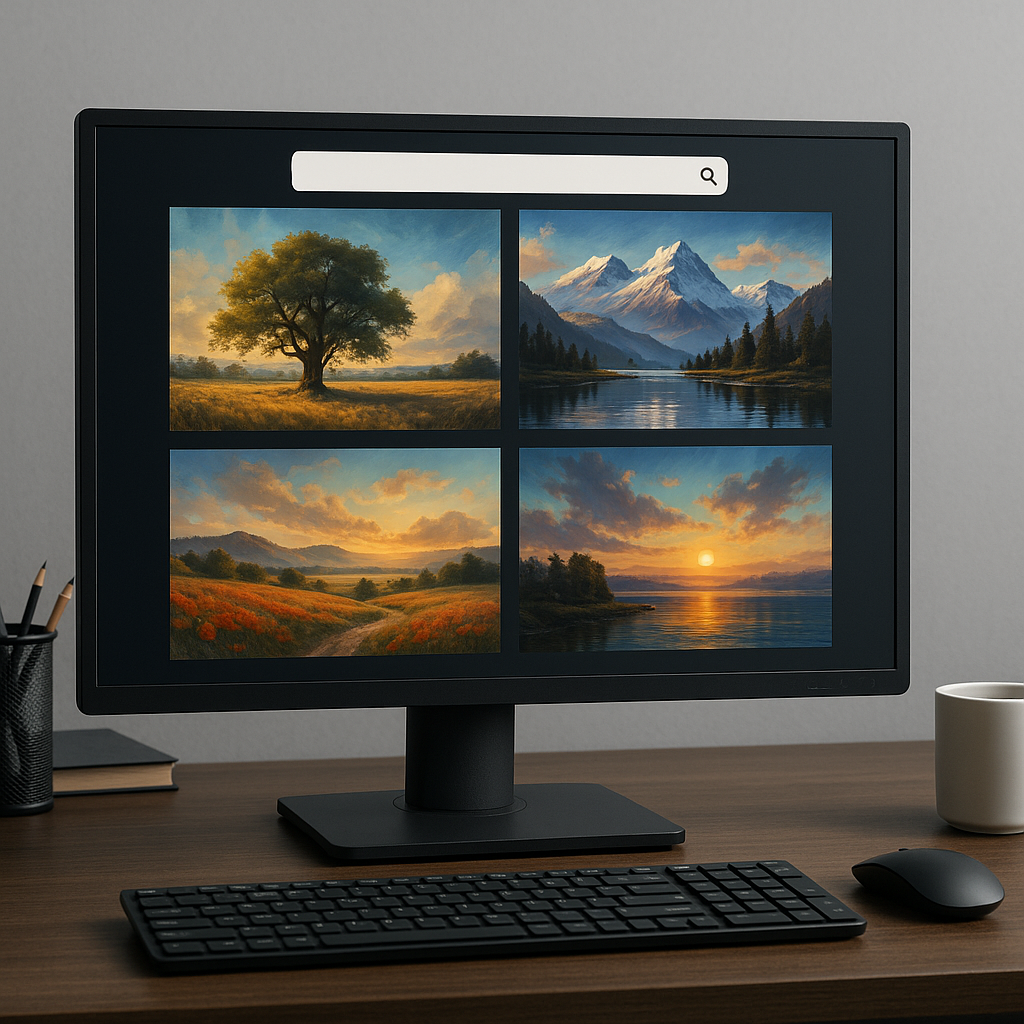
Image Generators
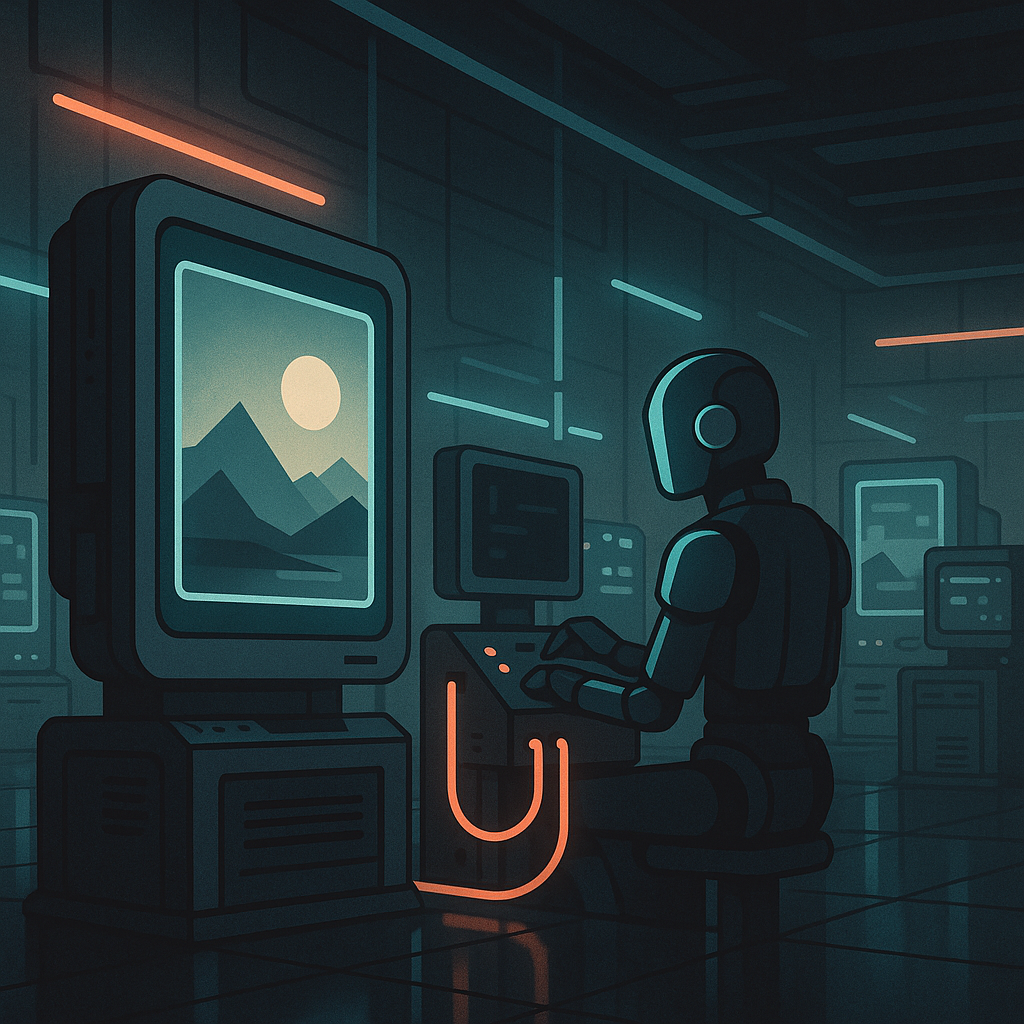
The rapid advancement of artificial intelligence (AI) has ushered in a new era of creativity, and image generators are at the forefront of this revolution. These sophisticated tools, powered by deep learning algorithms, have the ability to create stunning visuals from scratch or transform existing images based on user prompts. As their popularity grows, image generators are reshaping industries, challenging traditional art forms, and sparking debates about copyright and authorship.
At the core of these image generation systems are generative adversarial networks (GANs), a breakthrough in machine learning that allows one neural network to generate new data while another evaluates its authenticity. The first network creates images, while the second assesses them against real images to determine their quality. This back-and-forth process refines the generated images until they meet a desired level of realism. The result is a tool capable of producing highly detailed and lifelike images, often indistinguishable from those created by human artists.
Several platforms have emerged to harness this technology, offering users a range of functionalities. DALL-E, developed by OpenAI, is one of the most notable examples. It allows users to input textual descriptions, which the AI then interprets to create corresponding images. This capability has opened the door to limitless creativity, enabling users to conceptualise and visualise ideas that may not exist in reality. From fantastical landscapes to intricate character designs, DALL-E gives users the ability to manifest their imagination with just a few words.
Another prominent player in the space is Midjourney, which has gained significant traction among artists and designers. The platform encourages creative exploration by allowing users to generate art through simple prompts, often leading to unexpected and unique results. Midjourney has cultivated a community of users who share their creations, sparking collaboration and inspiring new artistic styles. This sense of community has become a hallmark of the image generator experience, as creators learn from one another and push the boundaries of what is possible with AI-generated art.
While the capabilities of these tools are impressive, they are not without their controversies. One of the most significant concerns revolves around copyright and ownership. If an image generator creates an artwork based on a user’s prompt, who holds the rights to that image? The legal landscape surrounding AI-generated content is still developing, and artists fear that their intellectual property could be compromised. For instance, if an AI model is trained using existing artworks without the consent of the original artists, the ethical implications come into question. This has led to calls for clearer regulations and guidelines to protect artists' rights in the age of AI.
Furthermore, the rise of image generators has sparked a debate about the definition of art itself. Traditionalists argue that art must be a product of human emotion and creativity, while proponents of AI art contend that the technology is merely a tool that expands the possibilities of creative expression. This ongoing discourse has prompted a reconsideration of what constitutes originality and creativity in art. As image generators become more sophisticated, they challenge the conventional boundaries of artistic expression and prompt both artists and audiences to rethink their perceptions of creativity.
The integration of image generators into various industries has also been transformative. In advertising, for instance, marketers can quickly generate compelling visuals tailored to specific campaigns, significantly reducing production time and costs. This efficiency allows brands to experiment with different concepts, honing their messaging to resonate more effectively with their target audiences. The fashion industry has similarly embraced image generation, using it to visualise new clothing designs and create marketing materials without the need for extensive photoshoots.
In the gaming industry, developers are utilising image generators to create assets and environments, streamlining the design process and allowing for rapid prototyping. This not only enhances creativity but also enables smaller studios with limited budgets to produce high-quality visuals that were once the domain of larger companies. Consequently, the accessibility of these tools is democratising art and design, enabling a new wave of creators to enter the field.
Despite the clear advantages, the rise of image generators also raises questions about authenticity and the human touch in artistic creation. As technology becomes more capable of replicating human creativity, some artists worry that their unique styles may be overshadowed by the fluidity of AI-generated art. This concern has prompted many creators to find ways to integrate AI into their workflows rather than see it as a replacement. By collaborating with AI, artists can blend their unique perspectives with the capabilities of image generators, resulting in a hybrid approach that harnesses the strengths of both human and machine creativity.
As we move forward, the evolution of image generators will undoubtedly continue to influence the artistic landscape. New advancements in AI technology promise even more powerful and versatile tools, while discussions surrounding ethics, copyright, and creativity will shape the way we understand and appreciate art in the digital age. The potential for collaboration between human artists and AI remains vast, fostering an environment where creativity knows no bounds.
In conclusion, image generators represent a significant shift in how we create and consume visual art. As these tools become increasingly sophisticated, they challenge our definitions of creativity and originality while simultaneously enhancing the artistic process across various industries. The dialogue surrounding their implications will be crucial as we navigate this new frontier, ensuring that the intersection of technology and art is approached with both excitement and responsibility. As we embrace the future of image generation, it is essential to celebrate the creativity it fosters while also advocating for the rights of artists and the integrity of their work.
Recent Posts
Maximum Potential
Отримайте повний досвід із планом Pro
ІНФОРМАЦІЯ