червень 6, 2026
Tracing the Evolution: Key Milestones in Image Generator Innovations
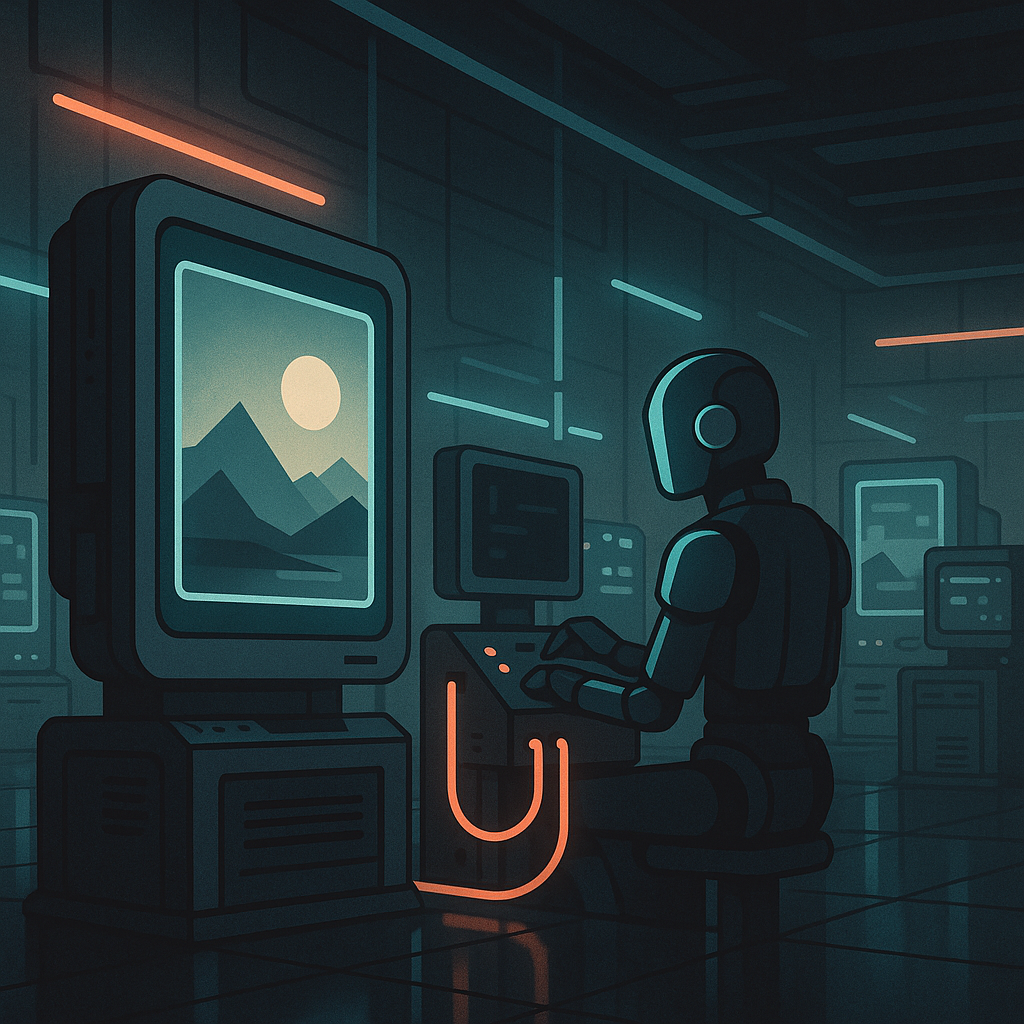
Image Generators
The realm of image generation technology has witnessed a remarkable evolution over the past few years, transforming the way we conceptualise and create visual content. From the initial explorations of algorithmically generated art to the sophisticated tools available today, recent developments in image generators highlight both exciting advancements and critical discussions about creativity, authorship, and ethics.
2014-2016: The Dawn of Generative Adversarial Networks
The journey into modern image generation began in earnest with the development of Generative Adversarial Networks (GANs) by Ian Goodfellow and his team in 2014. This breakthrough introduced a novel approach where two neural networks—one generating images and the other evaluating their authenticity—competed against each other. This adversarial training led to impressive outputs that mimicked human-created art closely. By 2016, GANs gained traction with researchers and practitioners alike, leading to increased experimentation across various visual domains.
2017-2019: Fine-Tuning Techniques and Style Transfer
As GANs matured, techniques such as style transfer became prominent. The ability to apply the artistic style of one image onto another opened up new avenues for creativity. In 2018, applications like DeepArt and Prisma surged in popularity among consumers seeking to transform everyday photos into works resembling famous paintings. During this period, researchers also explored conditional GANs, which allowed for more controlled outputs based on specific inputs or parameters.
This decade marked a surge in interest from industries beyond art—including fashion, video games, and advertising—as brands sought unique visuals tailored specifically for their needs. Availability of open-source frameworks facilitated rapid experimentation among developers worldwide.
2020: A Breakthrough Year - DALL-E and CLIP
The year 2020 marked a pivotal moment with OpenAI's release of DALL-E, an innovative model capable of generating images from textual descriptions. For instance, it could create pictures of “an armchair in the shape of an avocado,” showcasing its understanding of complex concepts and contextual blending. This represented not just technological advancement but also a shift towards integrating natural language processing with image generation.
Shortly after DALL-E's unveiling, OpenAI released CLIP (Contrastive Language–Image Pre-training), which further bridged text-image relationships by allowing users to train models on varied datasets effectively. These developments captured significant media attention as they demonstrated creative potential previously thought limited to human artists.
2021: Expansion into Commercial Use
By 2021, organisations began harnessing these advanced image generation capabilities commercially. Platforms like Artbreeder gained popularity by enabling users to blend images collaboratively through genetic algorithms—a process that allowed anyone from novice creators to seasoned artists access to powerful tools traditionally confined within studios or expert hands.
This year also saw an uptick in concerns regarding originality and copyright issues surrounding AI-generated content. While some argued that AI can serve as a tool for augmenting human creativity rather than replacing it entirely, others voiced ethical concerns about ownership arising from machine-generated works.
2022: MidJourney & New Competitors
The landscape continued evolving with the introduction of MidJourney in 2022—an independent research lab focused on developing new imaging technologies through community-driven input. MidJourney set itself apart by prioritising user-friendly interfaces that empowered non-programmers while still yielding exceptional quality outputs reminiscent of professional artistry.
This year also saw established players like Adobe incorporate AI-driven features into their software suites aimed at enhancing user experience while streamlining creative processes—signalling an industry-wide shift towards integrating AI seamlessly alongside traditional methods rather than outright replacement.
2023: The Era of Hyper-Realism
This period was marked by significant social discourse around potential implications tied to deepfakes and misinformation creation facilitated using advanced generative models capable enough to manipulate reality convincingly through visual media output forms.
- How does this technology impact artists?
- What implications do ethical concerns raise regarding copyright?
- Will future advancements lead machines down paths increasingly indistinguishable from human creators?
A Q&A on Image Generators Today
- Q: How are artists responding to these developments?
- A: Many artists embrace these tools as part of their creative arsenal—utilising them for inspiration or conceptualisation rather than viewing them outright threats.
- Q: What challenges lie ahead concerning copyright laws?
- A: Lawmakers globally grapple with defining ownership regarding AI-generated works; current frameworks lack clarity amidst rapidly advancing technological landscapes.
- Q: What is next for image generation technology?
- A: Expectations revolve around increasing integration across various sectors—including film production pipelines; further blending realities could either simplify workflows or complicate ownership debates even more profoundly.
The ongoing journey illustrates how far we have travelled since those early theoretical foundations laid merely a decade ago—and raises questions about where such fascinating innovations might ultimately lead us next. As our relationship evolves with artificial intelligence systems designed specifically for creating visual expressions reflecting diverse cultures while simultaneously posing critical inquiries surrounding trustworthiness within media consumption—a nuanced dialogue remains vital moving forward.
// End of ArticleRecent Posts
Head-to-Head: Comparing Top AI Models in Работа с Нейросетями and Their Impact
червень 16, 2026
Debunking Myths: The Realities of Работа с Нейросетями and AI Models Today
червень 16, 2026
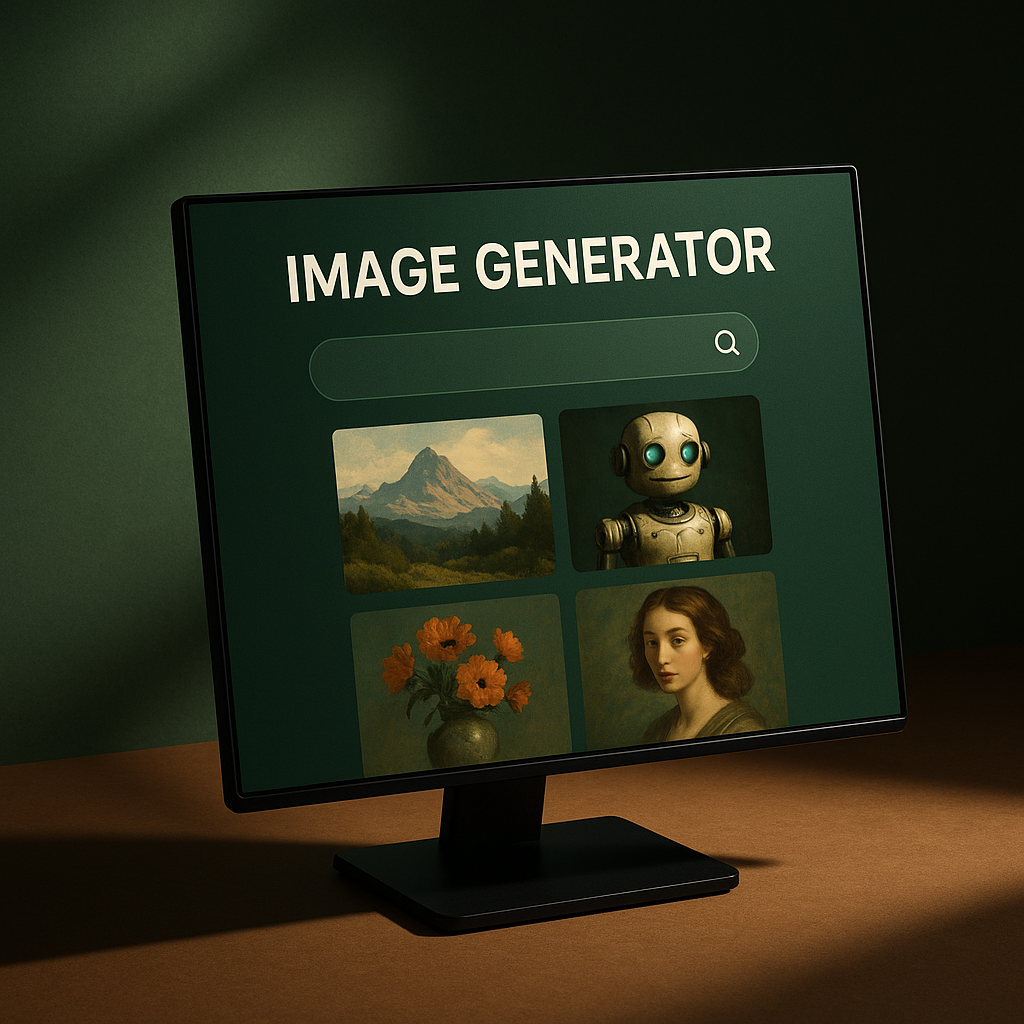
Unlocking Creativity: A Simple Guide to Using Image Generators for Beginners
червень 16, 2026
Maximum Potential
Отримайте повний досвід із планом Pro
ІНФОРМАЦІЯ