березень 11, 2026
Revolutionising Creativity: How Image Generators are Transforming Art in 2023

Image Generators
In recent years, the rise of image generators has transformed the landscape of digital creativity, enabling users to create stunning visuals using artificial intelligence. These innovative tools have quickly gained popularity among artists, marketers, and enthusiasts alike, offering an unprecedented level of accessibility and efficiency in the creation of images. With the ability to produce high-quality graphics and illustrations from simple text prompts, image generators have sparked a revolution in the way we conceptualise and produce visual content.
At the heart of this transformation lies the advancement in machine learning algorithms and neural networks. Image generation technology relies on complex models trained on vast datasets of images and their corresponding descriptions. This training allows the models to learn how to generate new images that align with user input. Popular platforms, like DALL-E, Midjourney, and Stable Diffusion, have emerged as frontrunners in this domain, each offering unique features and capabilities that cater to various creative needs.
DALL-E, developed by OpenAI, gained significant attention for its ability to create highly detailed images from textual descriptions. Users can input phrases that describe the scene or concept they envision, and DALL-E generates corresponding visuals that often exceed expectations. For instance, a prompt such as "an astronaut riding a horse in a futuristic city" can yield a strikingly imaginative illustration that captures the essence of the request. This capability not only showcases the power of AI but also opens new avenues for creativity, as artists can explore concepts that may have previously been constrained by their technical skills or resources.
Midjourney, another prominent player in the image generation field, has developed a community-driven approach that encourages collaboration and feedback among users. The platform operates through Discord, allowing users to share their creations, seek advice, and engage with fellow creatives. This social aspect enhances the overall experience, fostering a sense of belonging and mutual inspiration. Midjourney's emphasis on artistic expression sets it apart, as it often encourages users to experiment with styles and techniques that push the boundaries of traditional art forms.
Stable Diffusion, on the other hand, has made waves with its open-source model, providing developers and artists with the tools to customise and fine-tune the image generation process. This accessibility allows for a broader range of applications, from creating promotional material for businesses to generating unique artworks for exhibitions. As more creators adopt these tools, the potential for innovation within various fields continues to expand, pushing the envelope of what is possible in digital art.
The implications of image generators extend beyond mere entertainment and artistic exploration. In the realm of marketing and advertising, businesses are increasingly leveraging these tools to produce eye-catching visuals that resonate with their target audiences. With the ability to generate images tailored to specific campaigns, brands can engage consumers more effectively, reducing the time and costs associated with traditional graphic design processes. Furthermore, the adaptability of AI-generated images allows for rapid iterations, enabling marketers to refine their strategies based on real-time feedback.
However, the rise of image generators has not been without controversy. As these tools become more sophisticated, concerns regarding copyright and intellectual property have emerged. The question of ownership over AI-generated content is a complex issue that legal experts and creatives alike are grappling with. Currently, in many jurisdictions, the legal framework surrounding copyright does not adequately address the nuances of AI-generated works, leading to uncertainty for artists who may feel their creative rights are at risk.
Moreover, there are ethical considerations regarding the potential misuse of image generation technology. The ability to create hyper-realistic images can pose challenges in combating misinformation and deepfakes, which can have serious consequences in today's digital landscape. As image generators become more widely accessible, the responsibility falls on developers and users alike to ensure that these tools are employed ethically and responsibly.
In response to these challenges, some platforms are implementing safeguards aimed at preventing misuse. For instance, certain image generators have integrated filters that restrict the production of explicit or harmful content. Additionally, educational initiatives are being launched to inform users about the ethical implications of their creations and the importance of respecting the work of human artists.
As the technology continues to evolve, the future of image generators appears promising yet fraught with challenges. The ongoing development of more refined models will likely lead to even greater capabilities, allowing users to produce images that are not only visually stunning but also deeply meaningful. This progression may foster new forms of artistic expression and collaboration, enabling creators to explore and share their visions in ways previously unimaginable.
In the coming years, we can anticipate further integration of image generators into various industries. From film and gaming to fashion and interior design, the potential applications are vast. The education sector may also see the incorporation of AI-generated visuals into teaching materials, enhancing the learning experience by providing students with engaging and interactive content.
Ultimately, the rise of image generators represents a paradigm shift in the creative domain, democratising access to artistic tools and fostering a culture of innovation. As society grapples with the implications of this technology, it is essential to strike a balance between harnessing its benefits and addressing the ethical and legal challenges it presents. The conversation surrounding image generators is just beginning, and as we move forward, it will be crucial for all stakeholders to engage thoughtfully in shaping the future of digital creativity.
Recent Posts
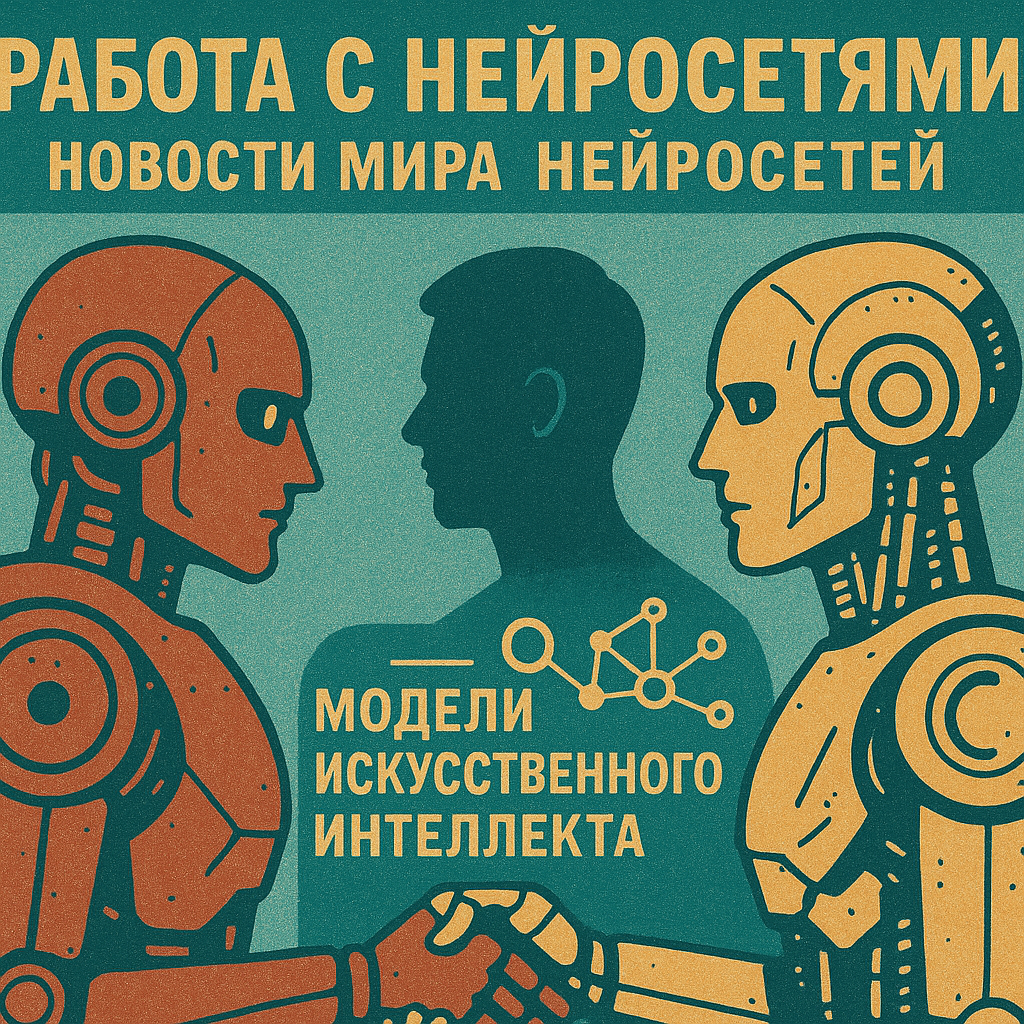
Head-to-Head: Comparing Top AI Models in Работа с Нейросетями and Their Impact
червень 16, 2026
Debunking Myths: The Realities of Работа с Нейросетями and AI Models Today
червень 16, 2026
Unlocking Creativity: A Simple Guide to Using Image Generators for Beginners
червень 16, 2026
Maximum Potential
Отримайте повний досвід із планом Pro
ІНФОРМАЦІЯ