квітень 22, 2026
Revolutionising Creativity: How Image Generators Are Transforming Art in 2023
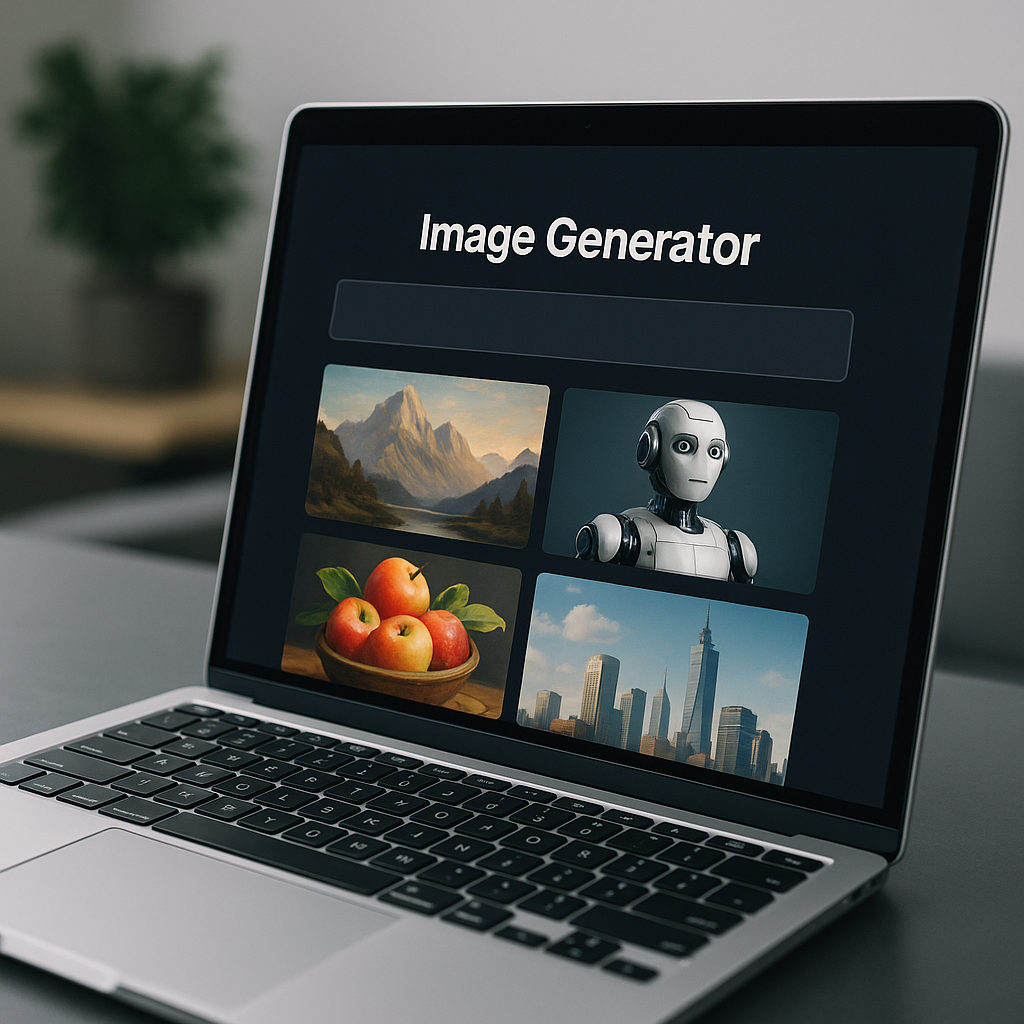
Image Generators
In recent years, the rise of image generators has revolutionised the way we create, manipulate, and consume visual content. These advanced artificial intelligence (AI) tools, which are capable of producing images based on textual descriptions or prompts, have captivated digital artists, marketers, and everyday users alike. As we delve deeper into the capabilities and implications of these technologies, it becomes clear that they are not just a passing trend but a transformative force in the realms of creativity and commerce.
At the heart of these innovations are generative adversarial networks (GANs), a class of AI that has gained notoriety for its ability to generate realistic images. GANs consist of two neural networks—a generator and a discriminator—working in tandem. The generator creates images from random noise, while the discriminator evaluates them against real images. This back-and-forth process continues until the generator produces outputs indistinguishable from authentic visuals. The sophistication of GANs has led to stunning results, with image generators now capable of creating everything from abstract art to hyper-realistic portraits.
One prominent player in the image generation arena is OpenAI’s DALL-E, which has garnered significant media attention for its ability to turn textual prompts into intricate and imaginative images. Users can describe a scene, character, or object in as much detail as they wish, and DALL-E interprets these descriptions to create unique visuals. For instance, a prompt like “a two-headed flamingo wearing a top hat” results in a one-of-a-kind image that could not have been easily created through traditional means. This level of creativity has inspired artists, designers, and marketers to explore new avenues for expression and engagement.
Another noteworthy example is Midjourney, a platform that allows users to generate images through Discord, a popular communication app. Midjourney has made image generation accessible to a wider audience, enabling anyone with a creative idea to produce high-quality visuals without the need for extensive artistic skills. This ease of use has led to its popularity among creators who wish to enhance their social media presence, produce content for blogs, or simply experiment with visual storytelling.
The implications of image generators extend beyond personal creativity; they are also reshaping industries. In marketing, for instance, brands are beginning to leverage these tools to generate tailored visuals at scale. Instead of relying on stock photography or expensive photoshoots, companies can generate bespoke images that reflect their brand identity and messaging. This not only reduces costs but also allows for rapid iteration and experimentation with different visual styles. As businesses strive to capture consumer attention in a crowded marketplace, image generators offer a competitive edge by enabling highly customised content that resonates with target audiences.
However, the rise of image generators is not without its challenges. One of the most pressing concerns is the ethical implications surrounding the use of AI-generated imagery. Issues of copyright and ownership are murky, as the lines between original creations and machine-generated art become increasingly blurred. Artists and creators are understandably concerned about the potential for their work to be replicated or modified by AI systems without proper attribution or compensation. As a response, some platforms are implementing policies to ensure that creators maintain rights over their original works, while others advocate for clearer legal frameworks to address these emerging challenges.
Moreover, the potential for misuse of image generators raises significant ethical questions. The ability to create realistic images opens doors to deepfakes and misinformation, where individuals can fabricate images for malicious purposes. The spread of such content can have severe consequences, from undermining trust in media to causing reputational damage to individuals and organisations. As a result, there is a growing call for developers and users of AI technologies to prioritise responsible practices and to develop tools that can detect and mitigate the spread of harmful content.
Another important consideration is the environmental impact of training large AI models. The computational resources required for training and running these algorithms can be substantial, leading to a significant carbon footprint. As awareness of climate change and sustainability grows, it is vital for the tech industry to explore more energy-efficient methods for developing and deploying AI technologies. Research into more sustainable practices is crucial to ensure that the benefits of image generators do not come at an unacceptable environmental cost.
Despite these challenges, the future of image generators looks promising. As technology continues to advance, we can expect even more sophisticated systems that not only produce high-quality images but also demonstrate an understanding of context, style, and emotion. This evolution will likely lead to more seamless integration of AI-generated visuals into various aspects of life, from entertainment and education to advertising and beyond.
Furthermore, the democratization of image creation through AI tools could empower a new generation of artists and creatives. With fewer barriers to entry, individuals from diverse backgrounds can share their visions and perspectives through visual media. This influx of creativity may lead to a richer cultural landscape, where unique narratives and styles flourish, challenging the traditional norms of artistic expression.
In conclusion, image generators represent a significant leap forward in how we create and interact with visual content. While they offer exciting opportunities for innovation and creativity, it is crucial to navigate the accompanying ethical and environmental challenges thoughtfully. As society grapples with these complexities, the conversation surrounding AI-generated imagery will undoubtedly evolve, shaping the future of art, media, and communication in ways we are only beginning to understand.
Recent Posts
Head-to-Head: Comparing Top AI Models in Работа с Нейросетями and Their Impact
червень 16, 2026
Debunking Myths: The Realities of Работа с Нейросетями and AI Models Today
червень 16, 2026
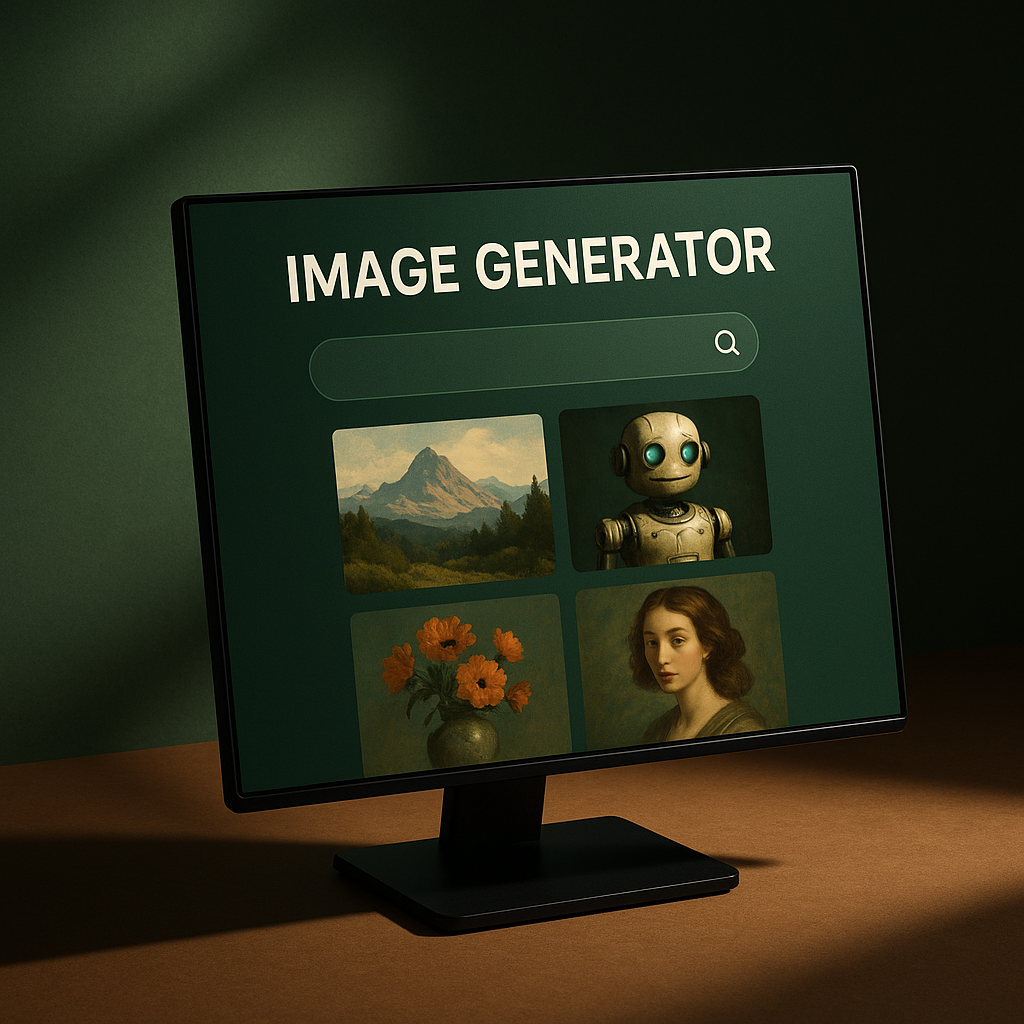
Unlocking Creativity: A Simple Guide to Using Image Generators for Beginners
червень 16, 2026
Maximum Potential
Отримайте повний досвід із планом Pro
ІНФОРМАЦІЯ