березень 25, 2026
Revolutionising Creativity: How Image Generators are Transforming Digital Art
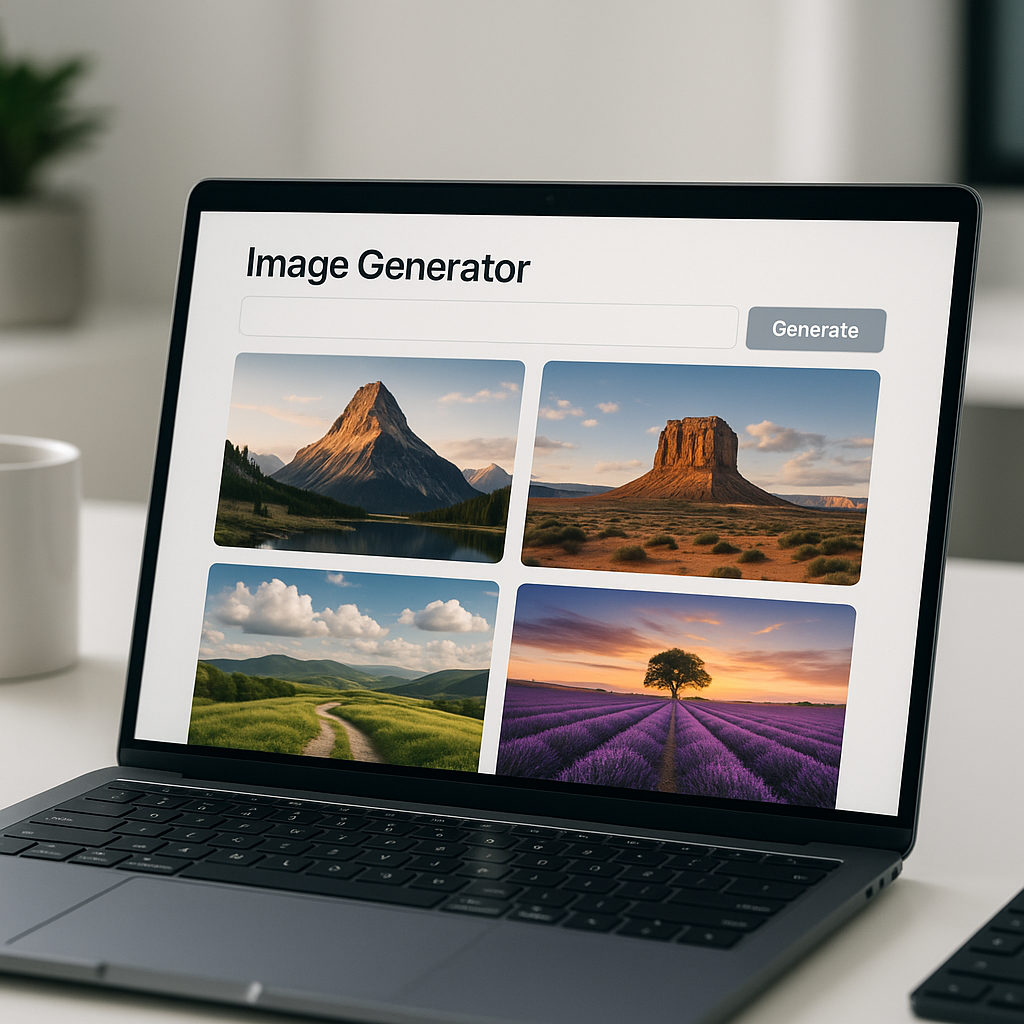
Image Generators
In recent years, image generators have emerged as one of the most exciting advancements in artificial intelligence and creative technology. These sophisticated tools utilise algorithms and vast datasets to create stunning visual content, ranging from realistic portraits to abstract art. As artists, marketers, and businesses increasingly adopt these technologies, they are reshaping the landscape of digital creativity and expanding the possibilities of visual communication.
At the core of image generation technology lies machine learning, particularly a subset known as generative adversarial networks (GANs). GANs consist of two neural networks: a generator that creates images and a discriminator that evaluates them. The generator attempts to create images that are indistinguishable from real ones, while the discriminator assesses their authenticity. This competitive process drives the generator to improve continuously, resulting in increasingly sophisticated and realistic images.
Among the most recognised image generation tools available today are DALL-E, Midjourney, and Stable Diffusion. DALL-E, developed by OpenAI, gained significant attention for its ability to generate creative images from textual descriptions. For instance, users can input phrases like "a cat in a spacesuit" or "an elephant made of clouds," and DALL-E will create unique images that reflect those concepts. This capability allows for unparalleled creativity, enabling users to visualise ideas that may have never existed before.
Midjourney, another notable player in the field, has captured the imagination of artists and designers with its focus on stylistic quality. Midjourney allows users to create images with specific artistic styles, offering a platform where art and technology intersect. This tool is particularly beneficial for graphic designers and content creators who require high-quality visuals for marketing materials, social media posts, and more. By leveraging Midjourney, users can generate bespoke images that align perfectly with their branding needs.
Stable Diffusion has also made waves in the image generation space by providing an open-source model that can be fine-tuned for specific applications. This flexibility has attracted a diverse range of users, from hobbyists to professional artists. The open-source nature of Stable Diffusion means that anyone with the technical know-how can modify the model, tailoring it to produce images that fit their unique visions. This has fostered a vibrant community of developers and creators who share their enhancements and applications, further pushing the boundaries of what is possible in image generation.
As these technologies evolve, they raise important questions about copyright and ownership. The ease with which images can be generated prompts discussions around who owns the rights to these creations. Since the images are produced by algorithms trained on vast datasets that may include copyrighted material, the legal landscape is still navigating the implications of AI-generated content. As a result, artists and content creators are increasingly encouraged to understand the nuances of copyright law and how it applies to their work in the age of AI.
The impact of image generators extends beyond individual creativity; they are transforming entire industries. In advertising, for instance, companies are using AI-generated images to create targeted campaigns that resonate with their audience. By generating custom visuals that reflect current trends or cultural moments, brands can engage consumers more effectively. This shift has led to a growing reliance on AI tools for marketing teams, as they seek to optimise their visual content strategies in an increasingly competitive landscape.
Moreover, the film and gaming industries are also harnessing the power of image generators. Concept artists and designers can use these tools to quickly visualise ideas, iterate on designs, and even create entire backgrounds and environments. This not only speeds up the creative process but also allows for a broader exploration of artistic possibilities. As traditional methods of concept art evolve, image generators are likely to play an integral role in the development of future projects.
Despite the many advantages, the rise of image generators presents challenges that need addressing. One significant concern is the potential for misuse, including the generation of misleading images or deepfakes that can spread misinformation. As the technology becomes more accessible, the risk of creating harmful or deceptive content increases. It is crucial for developers and users alike to implement ethical guidelines and practices to mitigate these risks while promoting responsible use of AI-generated visuals.
Education and awareness are vital components in navigating the challenges posed by image generators. As these tools become commonplace in creative fields, training programs and resources should be developed to help users understand how to leverage these technologies effectively and ethically. Institutions of higher education, as well as online learning platforms, are beginning to incorporate courses that focus on AI and machine learning, ensuring that the next generation of creatives is well-equipped to navigate this evolving landscape.
The conversation surrounding image generators also intersects with broader societal issues, such as the value of human creativity versus machine-made art. Critics argue that reliance on AI-generated images may devalue traditional artistic skills and lead to a homogenisation of visual culture. However, proponents contend that these tools can augment human creativity rather than replace it, offering new avenues for expression and artistic exploration. This dialogue is essential as we consider the future of creativity in an age increasingly defined by technology.
As we look ahead, it is clear that image generators are poised to become an integral part of the creative process across various domains. They are not merely tools for efficiency; they represent a paradigm shift in how we conceive of and create visual content. As artists and technologists continue to collaborate, the boundaries of creativity will be pushed ever further, leading to innovations that inspire and challenge our understanding of art in the digital age.
In conclusion, the rise of image generators heralds a new era of creativity, offering unique possibilities while also presenting challenges that demand careful consideration. As the technology continues to evolve, it will be essential for users, developers, and society at large to engage in thoughtful discussions about the implications of these tools. By embracing the opportunities they present while remaining vigilant against their potential pitfalls, we can harness the power of image generation to enrich our visual culture and enhance the ways we express ourselves.
Recent Posts
Head-to-Head: Comparing Top AI Models in Работа с Нейросетями and Their Impact
червень 16, 2026
Debunking Myths: The Realities of Работа с Нейросетями and AI Models Today
червень 16, 2026
Unlocking Creativity: A Simple Guide to Using Image Generators for Beginners
червень 16, 2026
Maximum Potential
Отримайте повний досвід із планом Pro
ІНФОРМАЦІЯ