березень 30, 2026
Revolutionising Creativity: How Image Generators are Transforming Digital Art
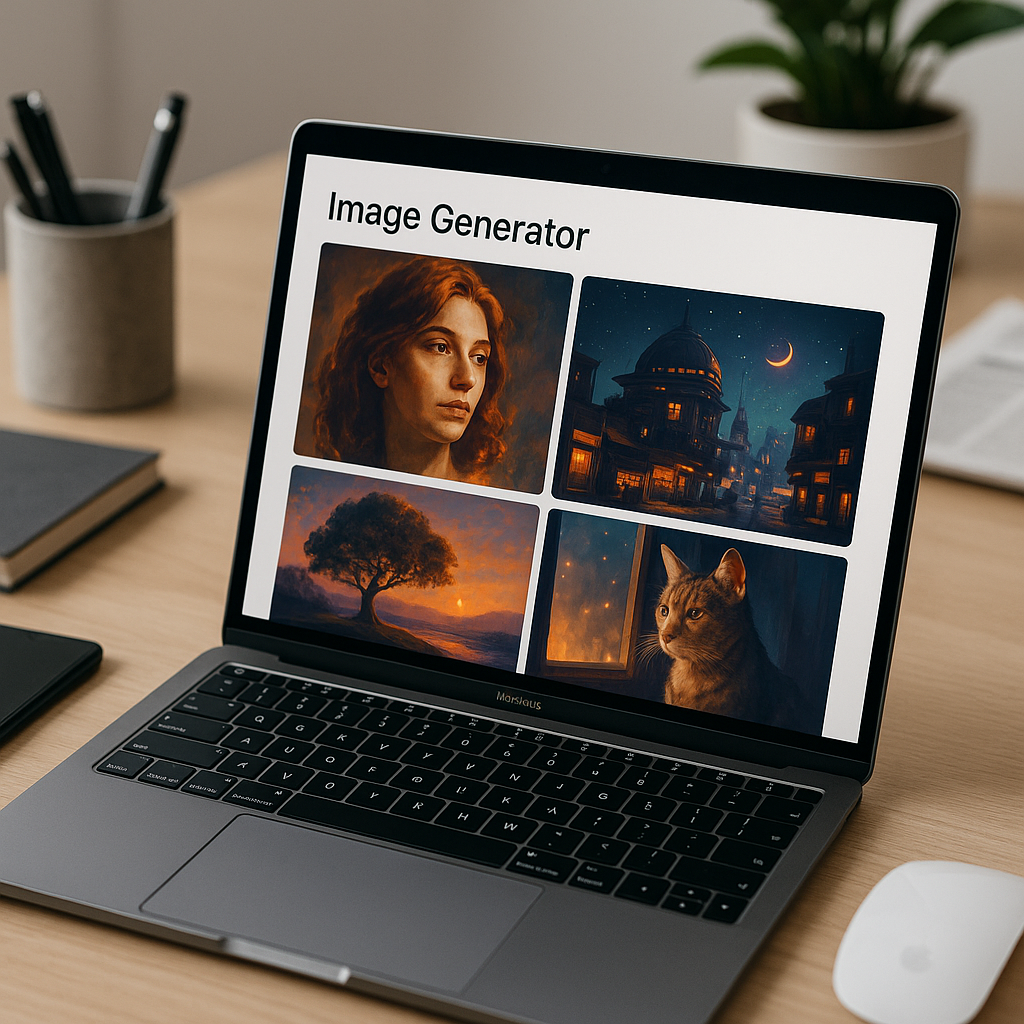
Image Generators
In recent years, the rapid advancement of artificial intelligence (AI) has transformed numerous fields, but perhaps none have been as visually striking as the rise of image generators. These sophisticated tools, powered by deep learning algorithms, are revolutionising the way we create and perceive images, challenging traditional notions of artistry, authenticity, and ownership.
Image generators utilise generative adversarial networks (GANs), a powerful AI architecture invented by Ian Goodfellow in 2014. This technology consists of two neural networks: the generator, which creates images, and the discriminator, which evaluates them. The two networks work in tandem; the generator continuously improves its output based on feedback from the discriminator, resulting in increasingly realistic images over time. This interplay allows image generators to produce stunningly lifelike visuals that can range from portraits of fictional characters to entire landscapes that never existed.
One of the most notable image generators to gain popularity is OpenAI's DALL-E, which captures the public's imagination by combining textual descriptions with visual representations. Users can input a phrase, and DALL-E generates corresponding images, showcasing its ability to understand context and creativity. For instance, a request for “an armchair in the shape of an avocado” yields a unique visual that merges the two concepts seamlessly. This capability not only entertains but also serves practical applications in design, advertising, and content creation.
Another prominent player in the field is Midjourney, which has garnered a dedicated following for its artistic flair and community-driven approach. Users interact through a Discord server, where they can generate images and share their creations with others. The collaborative aspect of Midjourney fosters a vibrant community of artists and enthusiasts who inspire one another, pushing the boundaries of what AI-generated art can be. The ease of access and engagement elevates the user experience, making art creation inclusive and accessible to all.
As the technology advances, the potential applications for image generators are expanding beyond mere novelty. Industries such as fashion, gaming, and advertising are beginning to embrace these tools to streamline creative processes. Fashion designers, for example, can experiment with new textiles and designs without the need for physical prototypes, saving both time and resources. Similarly, game developers can rapidly conceptualise characters and environments, reducing development cycles and costs.
However, the rise of image generators is not without controversy. One of the most pressing concerns is the question of copyright and ownership. As AI-generated art becomes more prevalent, the distinction between human-made and machine-generated content blurs, raising legal and ethical dilemmas. Who owns the rights to an image created by an AI? Is it the programmer, the user inputting commands, or the AI itself? Such questions have sparked debates within the artistic community and beyond, prompting calls for clearer regulations and guidelines surrounding AI-generated content.
Moreover, the potential for misuse of image generators poses significant risks. The ability to create hyper-realistic images can be exploited for malicious purposes, such as deepfakes or misinformation. In a world where visual evidence is often taken at face value, the prospect of AI-generated images being used to mislead or deceive is alarming. This has led to discussions about the need for ethical standards and the development of detection tools to identify AI-generated content, ensuring accountability and transparency in the digital landscape.
Furthermore, while image generators have opened new avenues for creativity, they also raise concerns about the impact on traditional artists. Many fear that reliance on AI tools could diminish the value of human artistry and creativity. However, proponents argue that these technologies should be viewed as complementary rather than competitive. By integrating AI into their creative processes, artists can explore new styles, generate inspiration, and even enhance their work, rather than replace it. This perspective encourages a collaborative relationship between human creativity and machine learning.
The current landscape of image generators is characterised by rapid experimentation and innovation. Startups and tech giants alike are racing to develop more advanced models, with each iteration pushing the boundaries of what is possible. As users become more familiar with these tools, the demand for customisation and personalisation increases. Future image generators may incorporate more nuanced understanding of user preferences, allowing for even more tailored outputs that resonate with individual tastes.
As we navigate this transformative era, it is essential to consider the broader implications of AI-generated imagery. The technology has the potential to democratise art-making, allowing anyone with an internet connection to become a creator. This shift could lead to a more diverse range of voices and perspectives in the art world, enriching our cultural landscape. However, it also necessitates a critical examination of the ethical, legal, and societal ramifications of AI-generated content.
In conclusion, image generators represent a fascinating convergence of technology and creativity, offering unprecedented opportunities while also posing significant challenges. As these tools continue to evolve, it is crucial for creators, policymakers, and the public to engage in thoughtful discourse about their implications. By fostering a responsible and inclusive approach to AI-generated art, we can harness its potential to enhance human creativity while safeguarding the values that underpin our artistic heritage.
Recent Posts
Head-to-Head: Comparing Top AI Models in Работа с Нейросетями and Their Impact
червень 16, 2026
Debunking Myths: The Realities of Работа с Нейросетями and AI Models Today
червень 16, 2026
Unlocking Creativity: A Simple Guide to Using Image Generators for Beginners
червень 16, 2026
Maximum Potential
Отримайте повний досвід із планом Pro
ІНФОРМАЦІЯ