квітень 5, 2026
Revolutionising Creativity: How Image Generators Are Transforming Digital Art
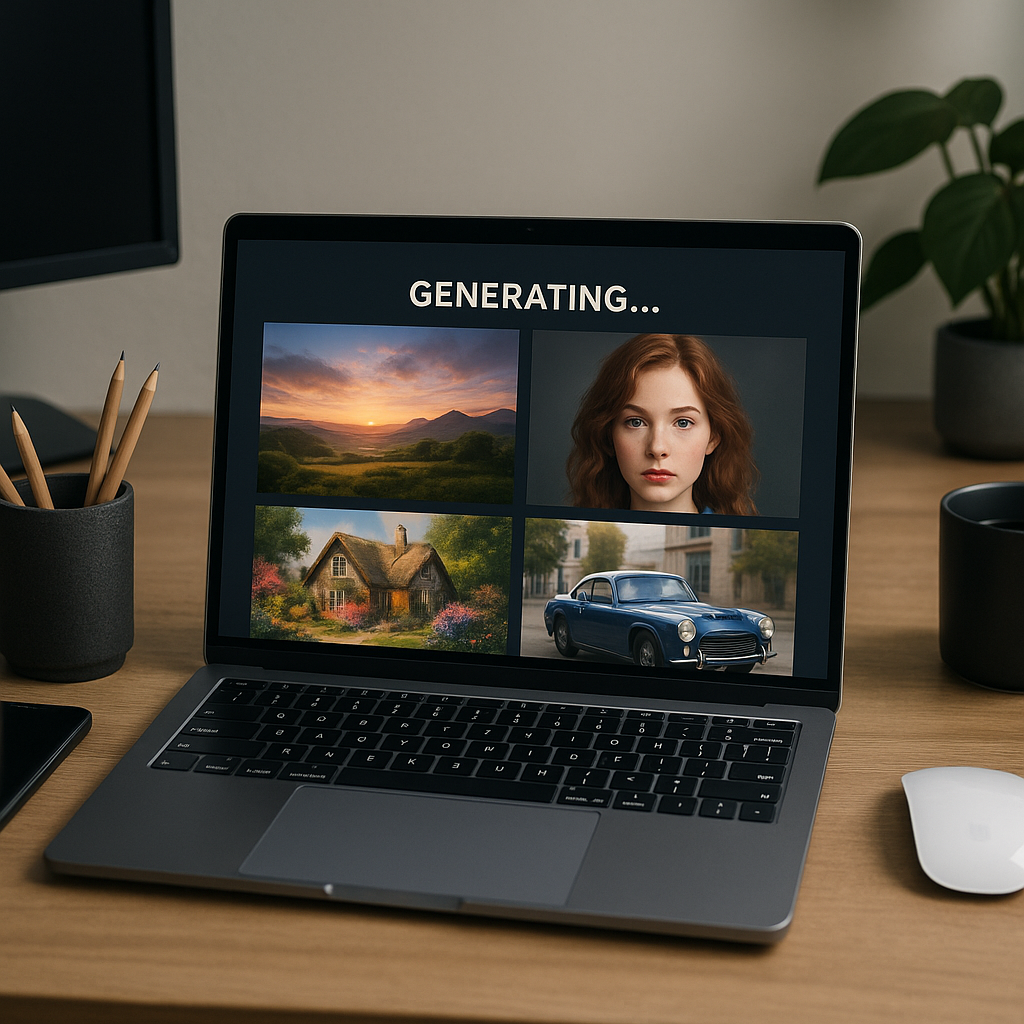
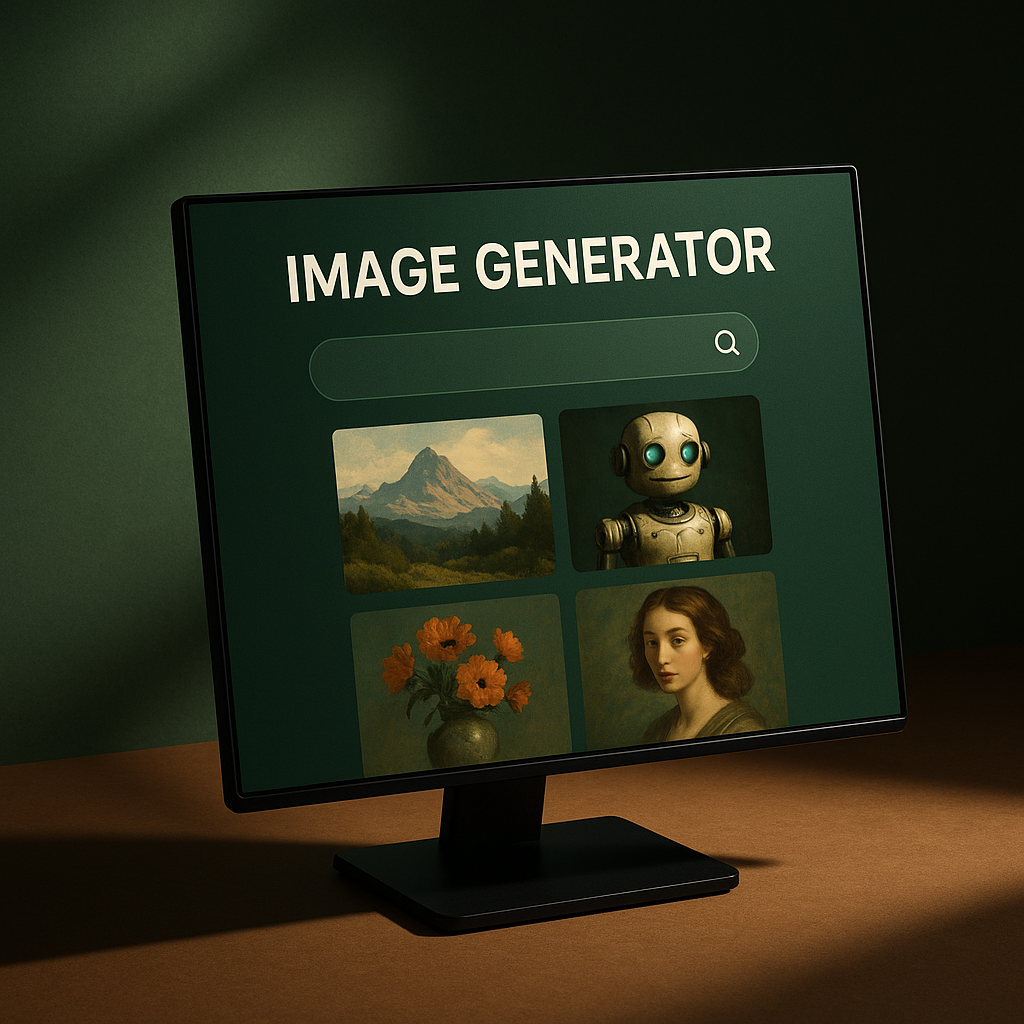
Image Generators
In recent years, image generators have surged in popularity, transforming the way individuals and businesses create visual content. Powered by advanced artificial intelligence (AI) and machine learning algorithms, these tools are not only revolutionising the artistic landscape but are also reshaping industries such as advertising, gaming, and social media. As technology continues to evolve, the implications of image generators are profound, raising questions about creativity, copyright, and the future of art itself.
Image generators, such as DALL-E, Midjourney, and Stable Diffusion, leverage deep learning techniques to produce original images based on textual prompts provided by users. This technology draws on vast datasets of images and descriptions, allowing the AI to understand and replicate styles, elements, and concepts. Users can input anything from simple phrases to complex narratives, and the AI interprets these instructions to generate unique artwork. The results can be strikingly realistic or abstract, depending on the user's requirements.
The accessibility of these tools has democratized art creation. Artists and non-artists alike can now produce high-quality visuals without requiring extensive training or artistic skill. For example, a small business owner looking to enhance their marketing materials can generate professional images in a fraction of the time and cost it would traditionally take. This shift not only empowers individuals but also encourages creativity, allowing users to experiment with ideas that they might not have pursued otherwise.
Moreover, the application of image generators extends far beyond personal use. In the advertising industry, companies are embracing these tools to craft compelling visuals that capture the attention of consumers. With the ability to generate personalised images tailored to specific demographics, businesses are finding innovative ways to engage their audiences. The speed at which these images can be produced allows for rapid campaign adjustments, ensuring that marketing strategies remain relevant and effective in an ever-changing landscape.
In the realm of gaming, image generators are being integrated into game design, allowing developers to create immersive environments and characters at an unprecedented pace. This technology can aid in concept art, texture creation, and even entire game levels, streamlining the development process and enabling smaller studios to compete with larger firms. As the gaming industry grows, the demand for unique and visually stunning content continues to escalate, making image generators an invaluable asset.
However, the rise of image generators is not without its challenges and controversies. One of the primary concerns revolves around copyright and ownership of the images produced. Since these generators are trained on existing artworks, there is a growing debate about whether the output is truly original or if it infringes on the rights of the original artists. This issue has sparked discussions within legal circles, with calls for clearer guidelines and regulations to protect creators while allowing for technological advancement.
Another concern is the potential for misuse. As image generators become more sophisticated, the risk of creating misleading or harmful content increases. Deepfakes and other forms of manipulated media can have serious implications for misinformation and trust in visual media. The ability to generate realistic images could be exploited for nefarious purposes, including propaganda, harassment, or defamation. This has prompted calls for ethical considerations in the development and deployment of such technologies.
Furthermore, the impact of image generators on traditional artists is a topic of significant concern. Many artists fear that the proliferation of AI-generated art could undermine their livelihoods and devalue their work. The unique human touch, emotional depth, and cultural context that traditional artists bring to their creations cannot be replicated by machines. As the lines between human-made and AI-generated art blur, the art community is grappling with issues of authenticity, value, and the very definition of creativity.
Despite these challenges, the future of image generators appears bright. As advancements in AI continue, the technology is likely to improve, producing even more sophisticated and nuanced images. Collaboration between human artists and AI could also emerge as a powerful force, leading to new forms of artistic expression that blend the best of both worlds. Some artists are already embracing the technology, using image generators as tools to complement their work rather than replace it.
Educational institutions are also beginning to recognise the potential of image generators. As part of art and design curricula, students are being introduced to these tools to enhance their creative processes. By understanding how to leverage AI in their work, the next generation of artists will be better equipped to navigate the evolving landscape of visual media. This integration of technology into education could lead to innovative approaches to art that we have yet to imagine.
In conclusion, image generators represent a significant evolution in the realm of visual content creation. While they offer incredible opportunities for creativity and efficiency across various industries, they also raise important questions about copyright, authenticity, and the future of artistic expression. As society grapples with these implications, it is crucial to foster discussions that balance innovation with ethical considerations. The dialogue surrounding image generators will undoubtedly continue to evolve as technology advances, shaping the future of art and design in ways we are just beginning to explore.
Recent Posts
Head-to-Head: Comparing Top AI Models in Работа с Нейросетями and Their Impact
червень 16, 2026
Debunking Myths: The Realities of Работа с Нейросетями and AI Models Today
червень 16, 2026
Unlocking Creativity: A Simple Guide to Using Image Generators for Beginners
червень 16, 2026
Maximum Potential
Отримайте повний досвід із планом Pro
ІНФОРМАЦІЯ