квітень 6, 2026
Revolutionising Creativity: How Image Generators Are Transforming Digital Art
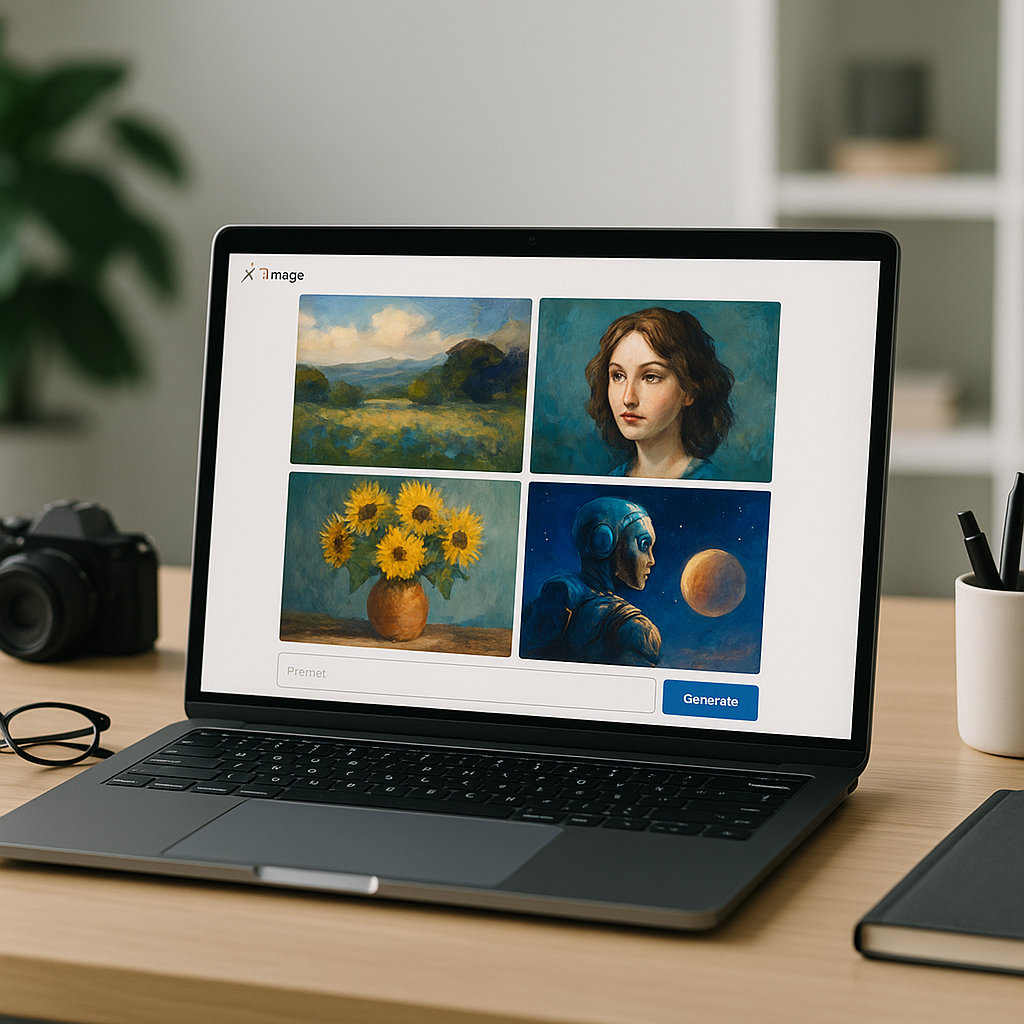
Image Generators
In recent years, image generators have emerged as one of the most fascinating innovations in the fields of artificial intelligence (AI) and machine learning. With the rapid advancement of technology, these tools have transformed the way we create and interact with visual content, offering both amateurs and professionals a powerful platform for artistic expression and creativity. From generating stunning artworks to creating realistic images based on textual descriptions, image generators are reshaping various industries, including advertising, gaming, and even fashion.
At the core of these image generators lies a technology known as Generative Adversarial Networks (GANs). Introduced in 2014 by Ian Goodfellow and his colleagues, GANs consist of two neural networks: the generator and the discriminator. The generator creates images from random noise, while the discriminator evaluates the authenticity of the generated images against real images from a training dataset. Through a process of trial and error, both networks improve over time, resulting in the production of increasingly realistic images. This innovative approach has paved the way for various applications, including art creation, image enhancement, and even video game design.
One of the most notable examples of an image generator is OpenAI's DALL-E, a model that can generate images from textual descriptions. In early 2021, DALL-E captured the public's imagination with its ability to create a variety of images from whimsical prompts, such as “an armchair in the shape of an avocado.” The results were often strikingly creative and highlighted the potential of AI to generate unique visual content that would typically require human creativity. Following DALL-E's success, several other platforms have emerged, including Midjourney and Stable Diffusion, each offering unique features and capabilities that cater to a diverse array of users.
The applications of image generators extend far beyond mere novelty. In the advertising sector, brands are increasingly turning to AI-generated visuals to enhance their marketing campaigns. With the ability to quickly create tailored images that resonate with target audiences, businesses can save both time and resources while maintaining a competitive edge. For instance, image generators can produce custom graphics for social media, website banners, and promotional materials, all while allowing brands to experiment with different styles and themes without the need for extensive graphic design expertise.
Moreover, the gaming industry has also begun to leverage image generators for character design, environment creation, and even narrative development. Developers can use these tools to rapidly prototype concepts, allowing for a more dynamic and iterative design process. This not only accelerates game development but also empowers indie developers who may lack the resources to hire a full team of artists. The ability to generate unique assets on demand can lead to more diverse and innovative gaming experiences, catering to a wider audience.
In the realm of fashion, image generators are being employed to create virtual clothing and accessories, enabling designers to visualise their ideas without the need for physical prototypes. This technology allows for rapid experimentation with different fabrics, patterns, and styles, ultimately leading to more sustainable practices within the industry. Brands can showcase collections and campaign visuals that are entirely AI-generated, reducing waste and streamlining the design process.
Despite their many benefits, image generators are not without controversy. The proliferation of AI-generated content raises ethical questions regarding copyright, ownership, and the potential for misuse. As these tools become more accessible, concerns about the creation of misleading images or deepfakes have emerged. Instances of AI-generated content being used to spread misinformation or create malicious propaganda have heightened the need for clear regulatory frameworks to govern the use of such technology.
Furthermore, the rise of image generators poses challenges for traditional artists and designers. As AI continues to improve in its ability to imitate human creativity, there is a growing fear that the value of human artistry may diminish. Many artists worry that their unique styles and perspectives could be undermined by the ease with which AI can replicate visual concepts. However, some believe that rather than posing a threat, image generators can serve as tools for inspiration and collaboration, allowing artists to push their boundaries and explore new creative avenues.
In response to these concerns, discussions around the ethical use of AI in creative fields are becoming increasingly important. Initiatives promoting transparency and clear attribution for AI-generated content are essential to ensure that creators receive recognition for their work. Additionally, organisations within the art and design communities are exploring ways to integrate AI into their practices responsibly, fostering an environment where human creativity and machine-generated content can coexist harmoniously.
The future of image generators holds immense potential. As technology continues to evolve, we can expect even more sophisticated models that not only produce visual content but also understand context, meaning, and nuance. The integration of AI with augmented reality (AR) and virtual reality (VR) could lead to immersive experiences where users can interact with AI-generated environments and characters in real-time.
As we navigate this rapidly changing landscape, it is crucial for stakeholders across industries to engage in thoughtful discussions about the implications of AI-generated content. By fostering a collaborative approach between technologists, artists, and policymakers, we can harness the power of image generators to inspire creativity while addressing the ethical concerns that accompany this innovative technology.
In conclusion, image generators represent a significant leap forward in our ability to create and manipulate visual content. While they offer exciting opportunities across various sectors, it is imperative to approach their development and implementation with a keen awareness of the ethical and artistic challenges they present. As society grapples with the implications of these tools, one thing remains clear: the intersection of AI and creativity will continue to shape our visual culture for years to come.
Recent Posts
Head-to-Head: Comparing Top AI Models in Работа с Нейросетями and Their Impact
червень 16, 2026
Debunking Myths: The Realities of Работа с Нейросетями and AI Models Today
червень 16, 2026
Unlocking Creativity: A Simple Guide to Using Image Generators for Beginners
червень 16, 2026
Maximum Potential
Отримайте повний досвід із планом Pro
ІНФОРМАЦІЯ