березень 18, 2026
Revolutionising Creativity: How Image Generators Are Transforming Visual Art
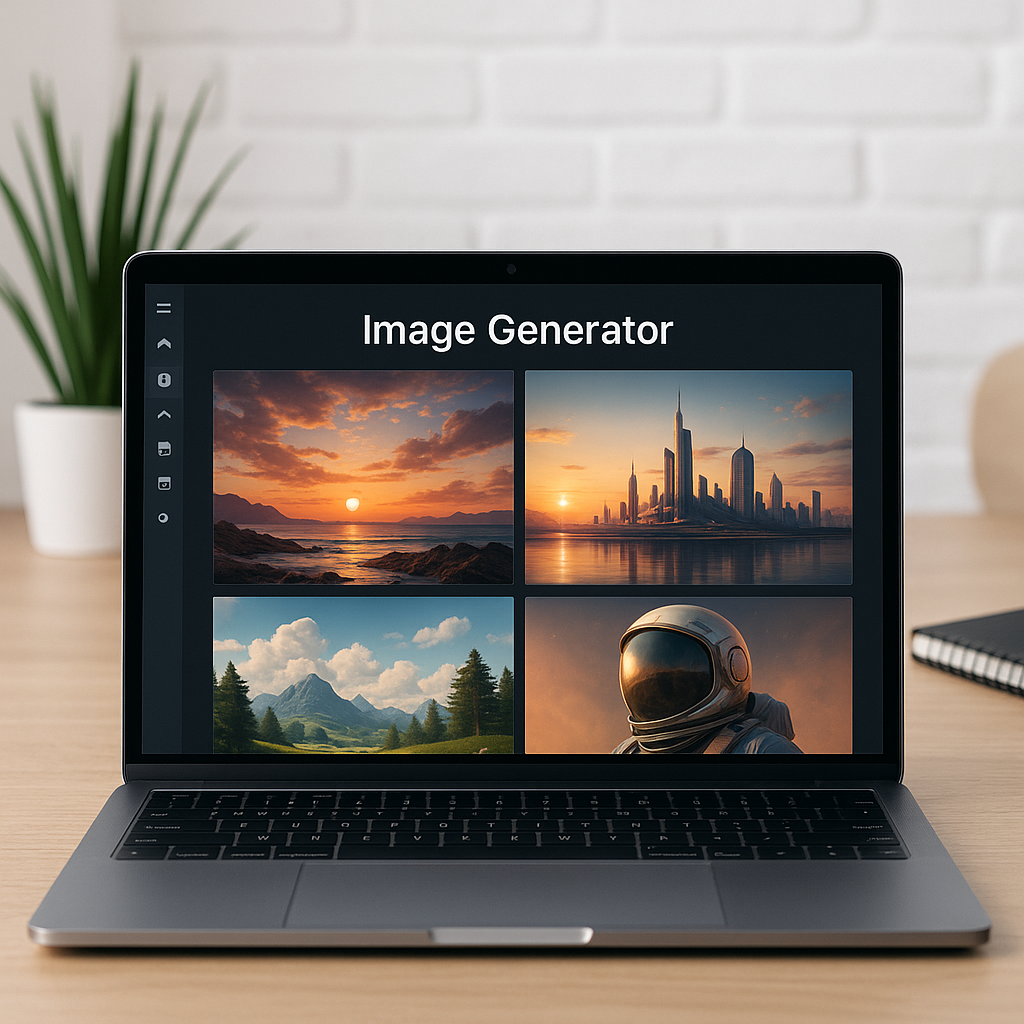
Image Generators
The rapid evolution of technology has led to groundbreaking advancements in various fields, and one of the most fascinating developments in recent years has been the rise of image generators. These sophisticated tools, powered by artificial intelligence (AI) and machine learning, have transformed the way we create and perceive visual content. From generating artwork to producing lifelike images of people and objects that do not exist, image generators are redefining creativity and challenging traditional artistic boundaries.
Image generators, often referred to as generative models, utilise algorithms to create images based on input data. These models can be trained on vast datasets, encompassing a wide range of styles, themes, and subjects. The most prominent examples of image generators in the public eye are tools like DALL-E, Midjourney, and Stable Diffusion. Each of these platforms has its unique approach and capabilities, yet they all share a common goal: to enable users to create high-quality images effortlessly.
One of the most notable aspects of image generators is their ability to produce strikingly original artwork. Artists and designers are increasingly turning to these tools to inspire their creative processes. For instance, an artist might input a simple phrase, such as "a serene landscape at sunset," and the image generator can produce a stunning visual representation of that concept. This capability not only saves time but also opens up new avenues for artistic exploration, allowing creators to experiment with styles and themes that they may not have considered otherwise.
Furthermore, image generators can be particularly beneficial in fields such as advertising, gaming, and film production. Marketing teams can generate eye-catching visuals for campaigns without the need for extensive photoshoots, while game developers can create detailed environments and characters quickly. This not only reduces costs but also speeds up the production process, allowing for more agile project management. The potential applications are vast, and as technology continues to advance, the possibilities will only expand.
However, the rise of image generators has not been without controversy. Concerns over copyright and intellectual property rights have emerged as a significant issue. When an AI model generates an image, questions arise regarding ownership. Who owns the rights to the artwork created by an algorithm? Is it the programmer, the user who input the prompt, or is it a shared ownership? These unresolved legal questions present a complex landscape for artists and developers alike, prompting discussions about the need for new regulations and guidelines to address these challenges.
Additionally, the ethical implications of image generators cannot be overlooked. The ability to create hyper-realistic images of people who do not exist raises concerns about misinformation and deepfakes. As these tools become more sophisticated, the risk of misuse increases. For instance, malicious actors could use image generators to create false identities or manipulate public opinion through the dissemination of fabricated images. This potential for abuse has led to calls for ethical standards in the development and use of AI technologies.
Despite these challenges, the positive impact of image generators on the creative industry is undeniable. The democratization of art is one of the most significant benefits; individuals with limited artistic skills can now produce visually appealing content. This shift has opened the door for a new generation of creators who can leverage technology to express their ideas and emotions. Social media platforms are flooded with content generated by users who harness these tools, resulting in a rich tapestry of creativity that reflects diverse perspectives and experiences.
Moreover, image generators are not just limited to producing static images. The technology is evolving to include motion graphics and video generation, further pushing the boundaries of visual storytelling. With advancements in AI, we are beginning to see platforms that can create animated sequences or even short films based on user prompts. This convergence of technology and creativity is revolutionising the entertainment industry, allowing for innovative narratives that were once the realm of professional filmmakers.
As image generators continue to gain traction, the tech industry is witnessing a surge in investment and research focusing on enhancing these tools. Companies are exploring ways to improve the accuracy of image generation, minimise bias in AI models, and expand the range of styles that can be produced. The ongoing development of generative adversarial networks (GANs) and diffusion models will undoubtedly lead to even more impressive results, enabling users to create images that are not only realistic but also infused with artistic flair.
In educational settings, image generators are being integrated into curriculums to teach students about digital art and design. By providing learners with access to these tools, educators are fostering a new wave of creativity while equipping students with valuable skills for the future job market. Understanding how to work with AI-driven technologies will undoubtedly become a crucial competency in various fields, from graphic design to marketing and beyond.
In conclusion, image generators represent a significant milestone in the intersection of technology and creativity. They empower individuals to explore their artistic potential, streamline production processes in various industries, and challenge our understanding of authorship and ethics in the digital age. As we continue to navigate this rapidly changing landscape, it is essential to strike a balance between embracing innovation and addressing the ethical and legal ramifications that accompany such advancements. The future of image generation holds immense promise, and it is up to creators, technologists, and policymakers to ensure that this potential is harnessed for the greater good.
Recent Posts
Head-to-Head: Comparing Top AI Models in Работа с Нейросетями and Their Impact
червень 16, 2026
Debunking Myths: The Realities of Работа с Нейросетями and AI Models Today
червень 16, 2026
Unlocking Creativity: A Simple Guide to Using Image Generators for Beginners
червень 16, 2026
Maximum Potential
Отримайте повний досвід із планом Pro
ІНФОРМАЦІЯ