квітень 23, 2026
Revolutionising Creativity: The Rise of Image Generators in Digital Artistry
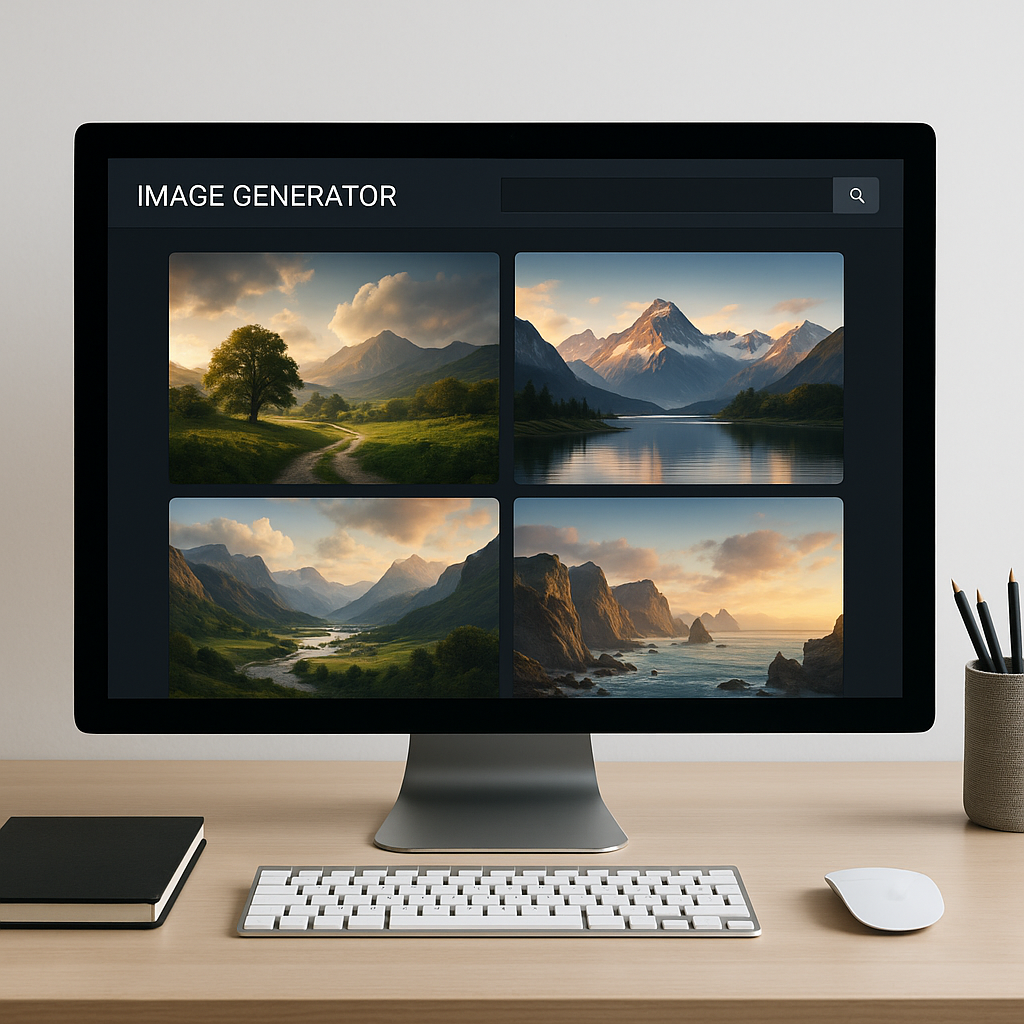
Image Generators
In recent years, the landscape of digital creativity has undergone a remarkable transformation, largely due to the rise of image generators powered by artificial intelligence (AI). These innovative technologies are redefining the way individuals and businesses approach visual content creation, fundamentally altering the dynamics of industries such as advertising, entertainment, and social media.
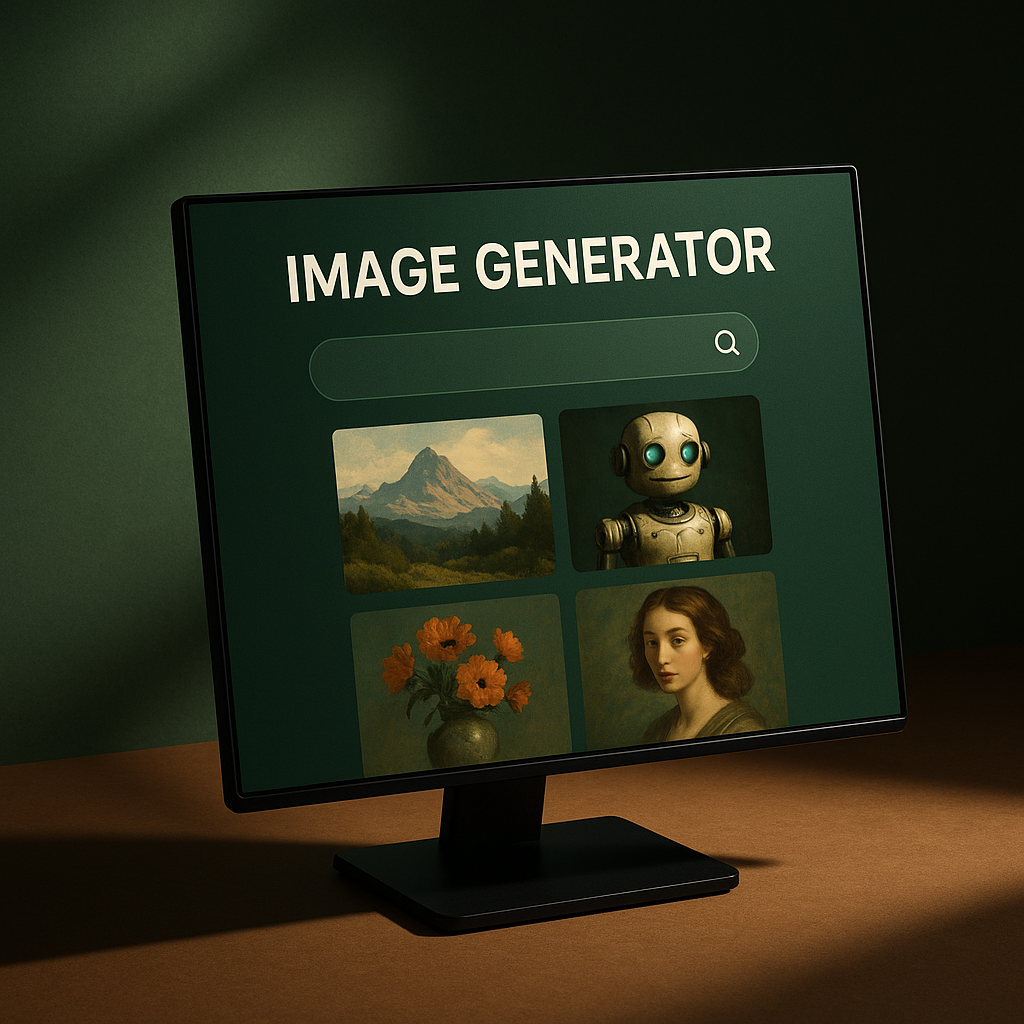
Image generators, such as OpenAI's DALL-E, Midjourney, and Stability AI's Stable Diffusion, harness neural networks to produce stunning visuals from textual descriptions. Users simply input a prompt—whether it be a whimsical scene, a surreal concept, or a specific character—and the AI interprets this input to create unique images. This capability is not just a novelty; it represents a significant leap in the accessibility of creative tools, allowing users without formal artistic training to generate high-quality imagery.
The implications of this technology extend beyond mere convenience. One of the most significant advantages of AI image generators is their ability to expedite the creative process. For designers and content creators, these tools offer a rapid prototyping method, enabling them to visualise ideas quickly and efficiently. Instead of spending hours or days creating a single image, creatives can generate multiple iterations in a matter of minutes, refining their concepts on the fly. This efficiency allows for a more dynamic creative process, encouraging experimentation and innovation.
Moreover, the democratization of creativity is another noteworthy aspect of AI image generators. Traditionally, graphic design and illustration required specific skills and training, which could be a barrier for many aspiring artists. However, with the advent of user-friendly AI tools, individuals from all walks of life can easily create visually appealing content. This shift is particularly beneficial for small businesses and entrepreneurs who may lack the resources to hire professional designers. By utilising AI image generators, they can produce high-quality marketing materials that enhance their brand presence without breaking the bank.
However, the rise of AI-generated images has not come without controversy. Critics raise concerns about copyright infringement, as the models used to train these AI systems often rely on existing artworks. The ethical implications of reproducing styles or concepts that are derivative of human creativity are hotly debated. Artists and copyright advocates argue that the use of AI in this manner could undermine the livelihoods of traditional artists and lead to a dilution of original work. As a result, there is a growing call for regulatory frameworks to govern the use of AI in creative fields and protect artists' rights.
Additionally, the quality and originality of AI-generated images are also points of contention. While these systems can produce visually stunning results, they sometimes lack the depth and emotional resonance that a human artist can imbue in their work. Critics argue that AI-generated images may feel formulaic or lack the nuanced understanding of cultural context that a human creator possesses. This raises important questions about authenticity and the true nature of art in an era dominated by algorithms.
Despite these challenges, the potential of image generators remains vast. Industries such as gaming and film are beginning to explore their capabilities, using AI to assist in concept art and visual effects. In the gaming sector, developers can generate assets rapidly, allowing for more immersive worlds and character designs. Meanwhile, filmmakers can utilise AI to create storyboards and visualise scenes before the actual production begins, streamlining the pre-production process.
The advertising industry has also started to embrace AI image generators, enabling brands to produce tailored content for their campaigns. By creating personalised imagery that resonates with specific target audiences, advertisers can enhance engagement and drive conversions. Furthermore, the ability to generate images that reflect current trends or seasonal themes allows brands to stay relevant in a fast-paced digital landscape.
As the technology continues to evolve, we can expect image generators to become even more sophisticated. Innovations in machine learning and computer vision are likely to enhance the quality and diversity of the images produced. Future iterations may incorporate more advanced understanding of human emotions and cultural nuances, making AI-generated art more relatable and impactful.
In light of the rapid advancements in AI image generation, it is essential for creatives, businesses, and policymakers to engage in discussions about the ethical implications and best practices for using these tools. Collaboration among artists, technologists, and legal experts will be crucial in developing frameworks that protect intellectual property while promoting innovation. The future of image generation will depend not only on technological advancements but also on our collective ability to navigate the accompanying ethical landscape.
In conclusion, AI image generators represent a revolutionary step in the realm of digital creativity. They empower individuals and businesses to unlock their creative potential, fostering innovation and efficiency. However, with this power comes responsibility, and it is imperative to address the ethical and legal challenges that accompany the widespread adoption of such technology. As we move forward, the challenge will be to balance the benefits of AI with the preservation of human artistry, ensuring that the future of creative expression remains vibrant and inclusive.
Recent Posts
Head-to-Head: Comparing Top AI Models in Работа с Нейросетями and Their Impact
червень 16, 2026
Debunking Myths: The Realities of Работа с Нейросетями and AI Models Today
червень 16, 2026
Unlocking Creativity: A Simple Guide to Using Image Generators for Beginners
червень 16, 2026
Maximum Potential
Отримайте повний досвід із планом Pro
ІНФОРМАЦІЯ