February 6, 2026
Revolutionizing Creativity: How Image Generators are Changing the Art World
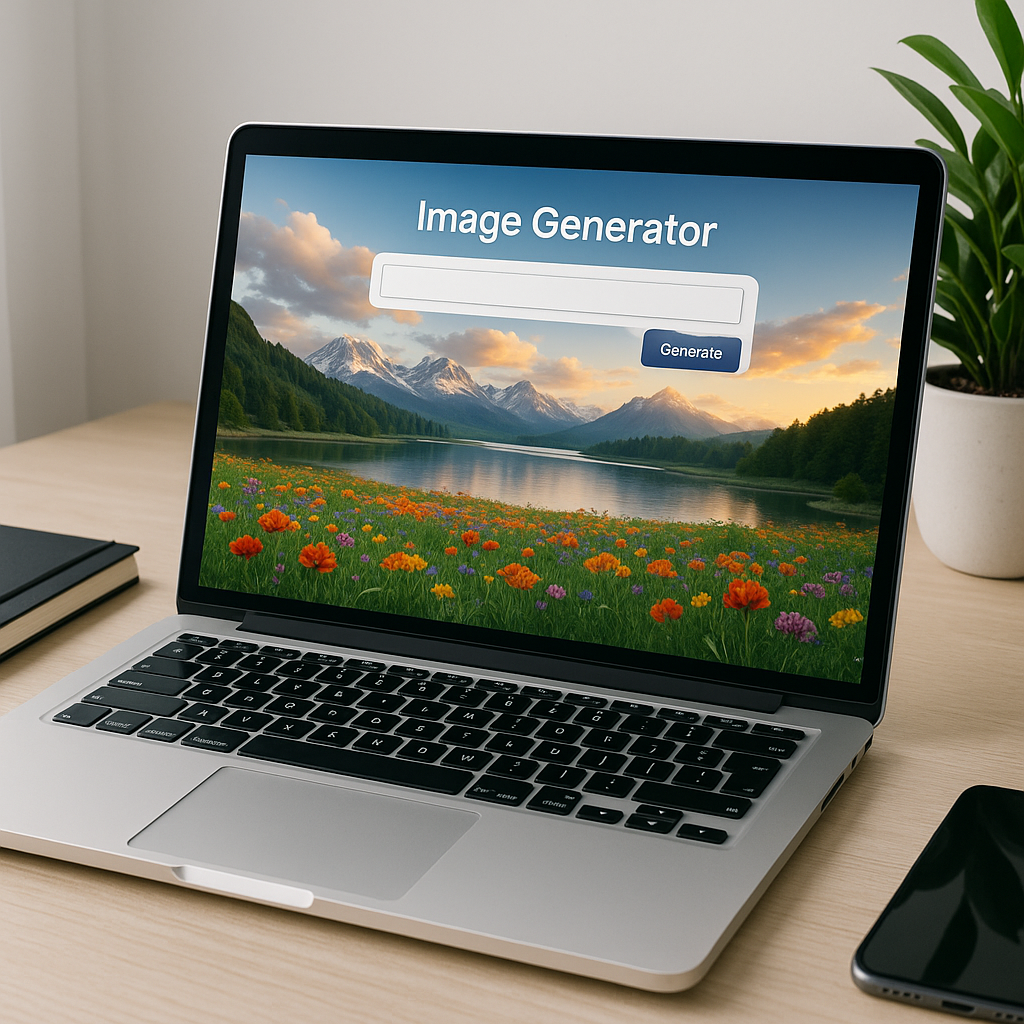
Image Generators
In recent years, image generators have surged in popularity, transforming the landscape of digital art, marketing, and content creation. These advanced tools, powered by artificial intelligence (AI), have made it possible for users to create stunning visuals with just a few simple prompts. As technology continues to evolve, the implications of image generation are profound, raising questions about creativity, copyright, and the democratization of art.
At the heart of this revolution are neural networks, a type of machine learning model that mimics the way the human brain processes information. One of the most notable advancements in this field is the development of Generative Adversarial Networks (GANs), which consist of two neural networks—the generator and the discriminator—working in tandem. The generator creates images from random noise, while the discriminator evaluates the authenticity of those images, providing feedback that helps the generator improve over time. This iterative process has led to the creation of increasingly realistic and complex images.
Among the most popular image generators on the market today are DALL-E, Midjourney, and Stable Diffusion. Each platform offers unique features that cater to various user needs. DALL-E, developed by OpenAI, allows users to generate images from textual descriptions, producing highly imaginative and often surreal results. Midjourney, on the other hand, focuses on creating artistic images and is particularly praised for its stylistic versatility. Stable Diffusion stands out with its open-source model, enabling developers and researchers to modify and enhance its capabilities, leading to a diverse array of applications.
The user interface of these generators is typically straightforward, allowing users from different backgrounds—be they artists, marketers, or casual hobbyists—to engage with the technology. By simply entering a descriptive phrase or a series of keywords, users can witness the power of AI as it churns out unique visuals in a matter of seconds. This ease of use has led to a democratization of creativity, where individuals without formal training in art can produce high-quality imagery, thereby leveling the playing field.
However, the rapid adoption of image generators has not come without controversy. One of the primary concerns revolves around copyright and ownership. As these tools generate images based on existing works, questions arise about the originality of the content produced. For instance, if an image generator creates a piece that closely resembles a famous painting or photograph, who holds the rights to that image? Legal frameworks around copyright are struggling to keep pace with technological advancements, leading to ongoing debates in courts and among creators.
Additionally, the potential for misuse of image generators cannot be overlooked. The technology could be employed to create misleading or harmful content, such as deepfakes, which are hyper-realistic images or videos that can manipulate reality. This raises ethical concerns about the impact of such technology on society, particularly regarding misinformation and the erosion of trust in visual media. As image generators become more sophisticated, the line between reality and fabrication may blur further, prompting calls for regulation and ethical guidelines in their use.
Despite these challenges, the benefits of image generators are undeniable. They have revolutionized fields such as marketing and advertising, where companies can produce eye-catching visuals for campaigns without the need for expensive photo shoots or graphic design teams. This capability allows for rapid prototyping and iteration, enabling brands to test different concepts and tailor their messaging to specific audiences effectively.
In the realm of education, image generators have opened new avenues for learning and creativity. Art students can use these tools to explore styles and techniques, gaining insights into the creative process. Teachers can incorporate image generation into their curricula, allowing students to engage with technology in innovative ways and encouraging them to think critically about art and its implications in the digital age.
Moreover, the integration of image generators into social media platforms has led to a new wave of content creation. Users are leveraging these tools to produce unique profiles, cover photos, and artwork that stand out in a saturated digital landscape. The viral nature of visually striking content means that those who utilize image generators effectively can garner attention and grow their social media presence rapidly.
As the technology continues to evolve, we can expect to see advancements in the quality and capabilities of image generators. Researchers are actively exploring ways to improve the realism of generated images, enhance the responsiveness of AI to user inputs, and broaden the applications of this technology across various industries. Innovations such as integrating augmented reality (AR) and virtual reality (VR) with image generation hold the potential to create immersive experiences that combine generated imagery with real-world environments.
In conclusion, image generators represent a significant leap forward in the intersection of art and technology. While they offer exciting opportunities for creativity and expression, they also pose challenges that society must address. As we embrace the possibilities presented by these AI-driven tools, it is crucial to navigate the ethical, legal, and social implications they bring. The future of image generation is bright, but it requires a thoughtful approach to harness its potential responsibly and sustainably.
Recent Posts
Breakthrough in Neural Networks: How New AI Models Revolutionize Global Tech
June 16, 2026
Head-to-Head: Comparing Neural Network Models and Their Impact on AI Work Today
June 16, 2026
New Breakthrough in Image Generators Promises to Revolutionize Artistic Expressi...
June 16, 2026

Maximum Potential
Get the full experience with Pro Plan
INFORMATION