March 13, 2026
Revolutionizing Creativity: How Image Generators Are Changing the Art World
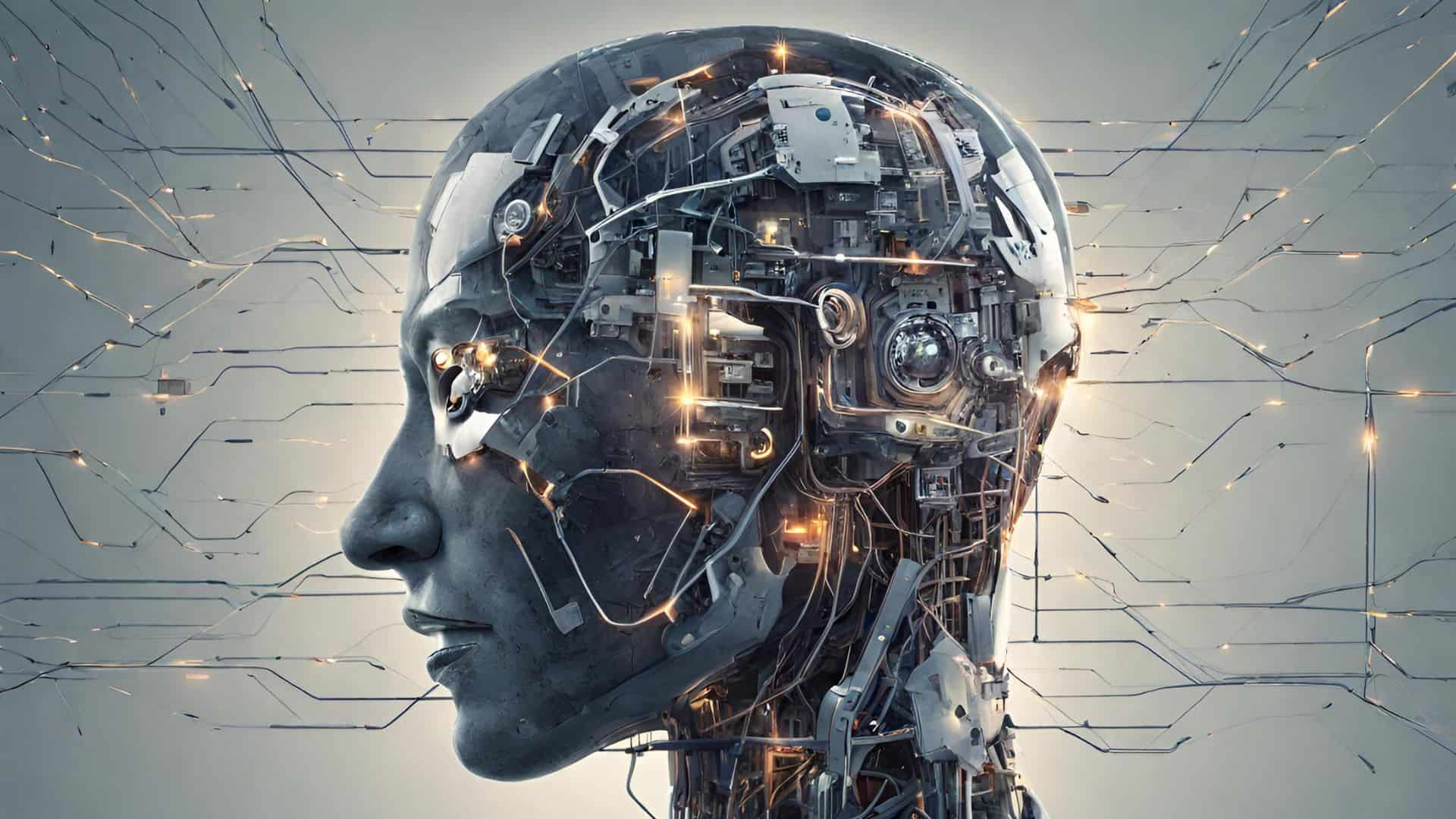
Image Generators
In recent years, the rise of image generators has transformed the landscape of digital art and design, marking a significant milestone in the intersection of technology and creativity. These artificial intelligence (AI) tools have gained immense popularity among artists, designers, and hobbyists alike. With the ability to create stunning visuals in a matter of seconds, image generators are reshaping the way we think about art, accessibility, and the creative process.
At the core of this technological revolution are generative adversarial networks (GANs), a type of machine learning model that pits two neural networks against each other. One network generates images, while the other evaluates their authenticity, providing feedback that helps the generator improve its output. This iterative process allows the AI to learn from vast datasets, producing images that can range from hyper-realistic to wildly abstract. Popular platforms like DALL-E, Midjourney, and Stable Diffusion have demonstrated the incredible capabilities of these systems, captivating users with their imaginative creations.
One of the most compelling aspects of image generators is their ability to democratize art creation. Historically, creating high-quality visual content required a combination of skill, training, and expensive tools. However, with the advent of image generators, individuals with little to no artistic background can generate professional-grade artwork with just a few prompts. This accessibility has opened doors for aspiring artists, marketers, and content creators, enabling them to produce visuals that were once beyond their reach.
The ease of use and the rapid generation of images have not only attracted amateur creators but also professionals in various industries. Graphic designers can leverage these tools to brainstorm concepts, produce mock-ups, and enhance their creative workflows. Advertisers are finding novel ways to engage audiences by utilizing AI-generated images in campaigns. Even the film and gaming industries are beginning to explore the integration of image generators, using them for concept art and rapid prototyping of visuals.
Despite the excitement surrounding these advancements, image generators are not without their controversies and challenges. One significant concern is the issue of copyright and ownership. As AI-generated images become more prevalent, questions arise regarding who owns the rights to these creations. If an artist uses an image generator to create a piece of art, does the artist retain ownership, or does the AI model hold some claim? This ambiguity has sparked debates in legal and artistic communities, leading to calls for clearer guidelines and regulations.
Moreover, the ethical implications of AI-generated art cannot be overlooked. Critics argue that relying on machines to produce art may devalue human creativity and craftsmanship. The fear is that an over-reliance on such technology could lead to a homogenization of artistic expression, where uniqueness and personal style are lost in favor of algorithmically generated trends. Additionally, the potential for misuse of these tools raises concerns. For instance, image generators could be employed to create misleading or harmful content, further complicating the already intricate relationship between technology and ethics.
Another challenge facing image generators is the quality and appropriateness of the images they produce. While many generators can create captivating visuals, they are not infallible. There are instances where generated images may contain inaccuracies, stereotypes, or unintended biases, reflecting the data sets they were trained on. This has led developers to focus on improving the technology by refining training datasets and implementing safeguards to mitigate issues related to bias and inaccuracy.
As the technology evolves, so too does the community surrounding image generators. Artists and developers are engaging in collaborative efforts to create better tools and applications. For instance, open-source projects are gaining traction, allowing developers to build upon existing models and share their advancements with the wider community. These collaborative efforts not only enhance the technology but also foster a sense of shared ownership and responsibility among users.
Furthermore, educational institutions are beginning to incorporate AI image generators into their curriculums, teaching students how to use these tools effectively while instilling a strong understanding of the ethical considerations involved. By equipping the next generation of creatives with the knowledge and skills to navigate the complexities of AI art, these programs aim to cultivate responsible and innovative artists who can harness technology while preserving the essence of human creativity.
The future of image generators looks promising, with ongoing advancements in AI technology set to enhance their capabilities further. As models become more sophisticated, we can expect even greater versatility, allowing users to create not only static images but also dynamic visual content, such as animations and 3D models. This evolution will undoubtedly open new avenues for storytelling and artistic expression, pushing the boundaries of what is possible in digital art.
In conclusion, image generators represent a remarkable fusion of technology and creativity, offering unprecedented opportunities for artists and creators. While the challenges and ethical considerations surrounding this technology demand careful attention, the potential for innovation and democratization of art is undeniable. As we continue to navigate this evolving landscape, it is essential to strike a balance between embracing the possibilities of AI and preserving the human touch that defines art. The dialogue surrounding image generators is likely to shape the future of creativity, and it is a conversation that will continue to unfold as technology advances and society adapts.
Recent Posts
Breakthrough in Neural Networks: How New AI Models Revolutionize Global Tech
June 16, 2026
Head-to-Head: Comparing Neural Network Models and Their Impact on AI Work Today
June 16, 2026
New Breakthrough in Image Generators Promises to Revolutionize Artistic Expressi...
June 16, 2026
Maximum Potential
Get the full experience with Pro Plan
INFORMATION