March 7, 2026
Revolutionizing Creativity: How Image Generators Are Shaping the Future of Art
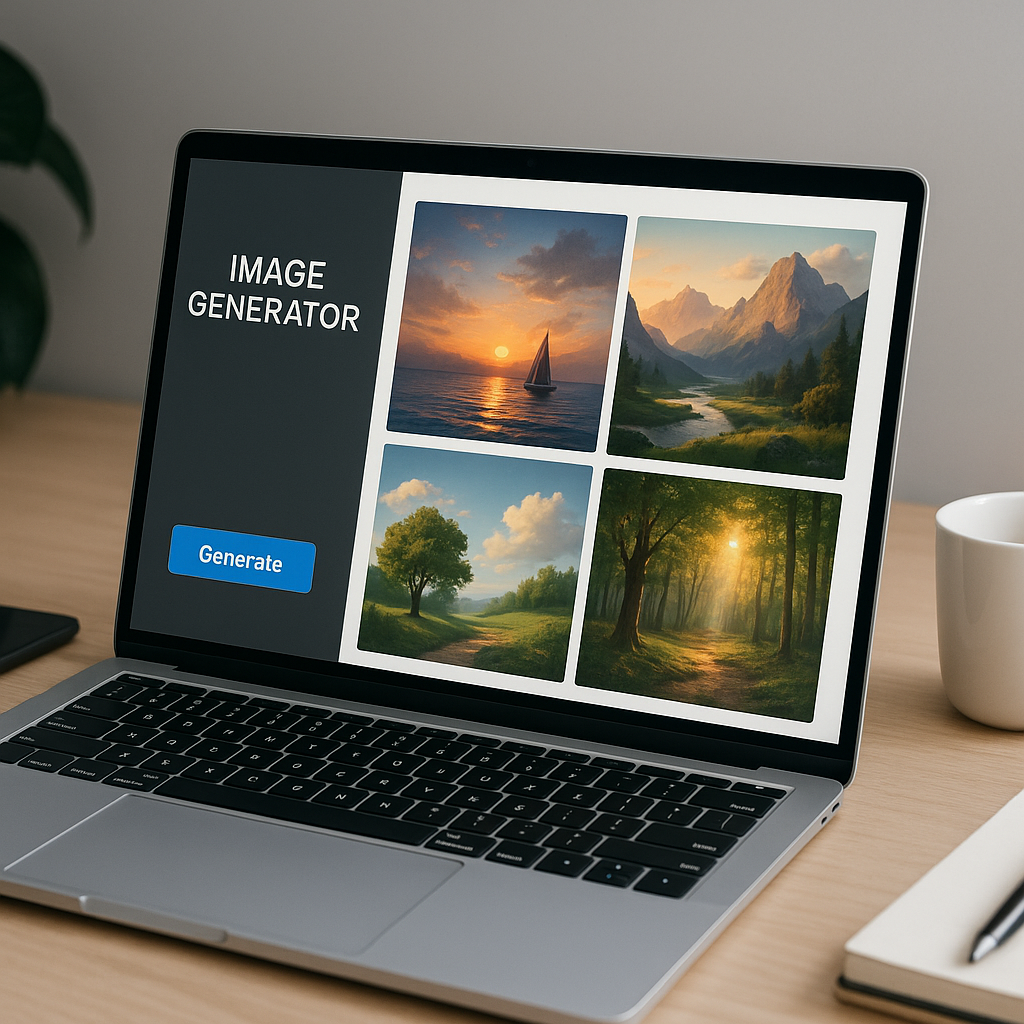
Image Generators
In recent years, the landscape of digital art and creativity has been transformed by the emergence of image generators powered by artificial intelligence. These innovative tools utilize complex algorithms and deep learning techniques to create stunning visuals that range from photorealistic images to whimsical illustrations. As technology advances, the capabilities of these generators have become increasingly sophisticated, sparking interest among artists, designers, and tech enthusiasts alike.
Image generators, often referred to as AI art generators, leverage vast datasets to learn the intricacies of visual styles and elements. By analyzing millions of images, these systems can mimic artistic techniques and generate original content that reflects various aesthetics. From generating portraits to landscapes, the applications of these tools are diverse, enabling creators to explore new realms of imagination, often with just a few textual prompts.
One of the most well-known platforms in this space is OpenAI's DALL-E, which gained significant attention for its ability to generate high-quality images from textual descriptions. Users can input phrases like "a two-headed flamingo in a surreal landscape," and within seconds, DALL-E produces a unique image that corresponds to the request. This capability has not only fascinated users but has also raised questions regarding the nature of creativity and the role of human artists in an increasingly automated world.
Another prominent player is Midjourney, which focuses on creating images that evoke emotional responses. Midjourney operates through a Discord server, where users can interact with the AI by submitting prompts and receiving generated images in real-time. This platform encourages collaboration among artists and enthusiasts, allowing them to share their creations and inspire one another. The community aspect of Midjourney has contributed to its rapid growth, as users continuously experiment with different prompts and styles.
The rise of image generators has also sparked conversations about intellectual property and copyright. As these tools generate images based on existing styles and concepts, questions arise regarding ownership and the ethical implications of using AI-generated artwork. Artists and legal experts are now grappling with how to define authorship in a world where machines can produce works that mimic human creativity. Some argue that AI-generated art should be classified as public domain, while others advocate for the protection of the rights of human artists whose styles may be emulated.
Moreover, the technology behind these image generators is not without its challenges. Despite their impressive capabilities, AI models can produce biased or inappropriate content if not properly trained. This has led to concerns about the potential misuse of these tools, particularly in creating misleading or harmful images. Developers are now faced with the responsibility of ensuring that their algorithms are not only creative but also ethical. Many companies are implementing safeguards and moderation systems to prevent the generation of harmful content.
As image generators continue to evolve, they are also becoming more accessible to the general public. Various online platforms now offer user-friendly interfaces that allow anyone to create art using AI, regardless of their artistic background. This democratization of art creation is empowering individuals to express themselves in ways that were previously limited to skilled artists. Educational institutions are also beginning to incorporate these tools into their curricula, teaching students how to use AI as a collaborative medium rather than a replacement for human creativity.
In addition to individual creators, businesses are recognizing the potential of image generators for marketing and branding. Companies can quickly produce visuals for advertisements, social media posts, and product designs without the need for extensive graphic design resources. This efficiency allows brands to stay agile in a fast-paced digital market, enabling them to respond to trends and consumer demands with greater speed.
Despite the promising advancements, the future of image generators raises questions about the preservation of traditional art forms. As AI-generated images proliferate, there is a fear that they may overshadow the work of human artists. However, many experts believe that rather than replacing traditional artistry, AI can complement it. Artists can use image generators as tools to enhance their creative processes, experiment with new styles, and push the boundaries of their work. This synergy between AI and human creativity could lead to an exciting new era of artistic expression.
The impact of image generators extends beyond the art world; they are also making waves in industries such as gaming, film, and virtual reality. Game developers are exploring how AI can assist in creating immersive environments, character designs, and dynamic storytelling elements. Similarly, filmmakers are experimenting with AI-generated visuals to conceptualize scenes and develop storyboards. As these technologies advance, they promise to reshape the way narratives are constructed and experienced.
As society grapples with the implications of AI-generated content, it is crucial to foster an ongoing dialogue about the role of technology in creativity. While image generators offer exciting possibilities, they also challenge us to consider what it means to be an artist in a world increasingly influenced by machines. The intersection of art and technology is a dynamic space, one that invites exploration and innovation while also demanding ethical consideration.
In conclusion, image generators are at the forefront of a technological revolution that is reshaping the landscape of creativity. As these tools become more advanced and accessible, they are empowering individuals and transforming industries. While challenges related to copyright, bias, and the future of traditional art remain, the potential for collaboration between human artists and AI is vast. Embracing this new realm of possibilities can lead to a richer, more diverse artistic landscape that celebrates the best of both human ingenuity and technological advancement.
Recent Posts
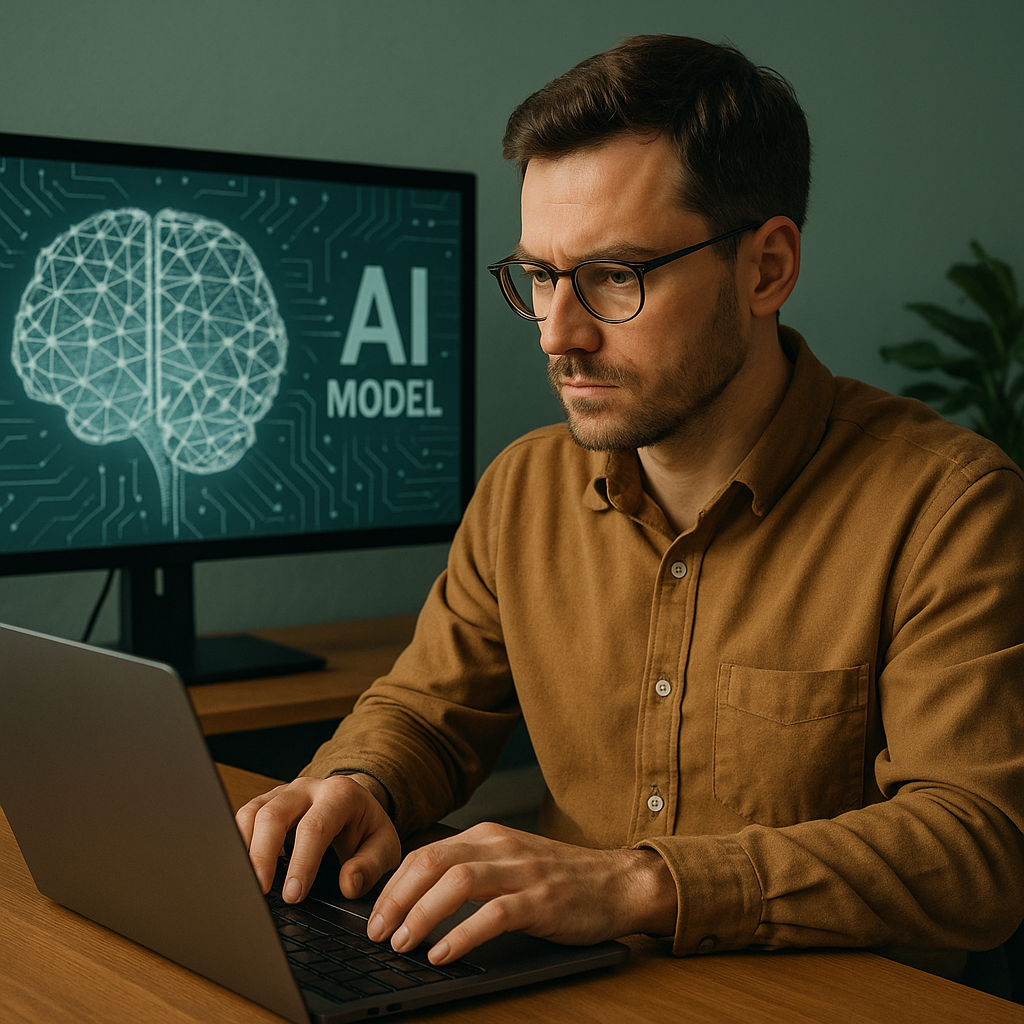
Breakthrough in Neural Networks: How New AI Models Revolutionize Global Tech
June 16, 2026
Head-to-Head: Comparing Neural Network Models and Their Impact on AI Work Today
June 16, 2026
New Breakthrough in Image Generators Promises to Revolutionize Artistic Expressi...
June 16, 2026
Maximum Potential
Get the full experience with Pro Plan
INFORMATION