February 13, 2026
Revolutionizing Creativity: How Image Generators Are Transforming Art in 2023
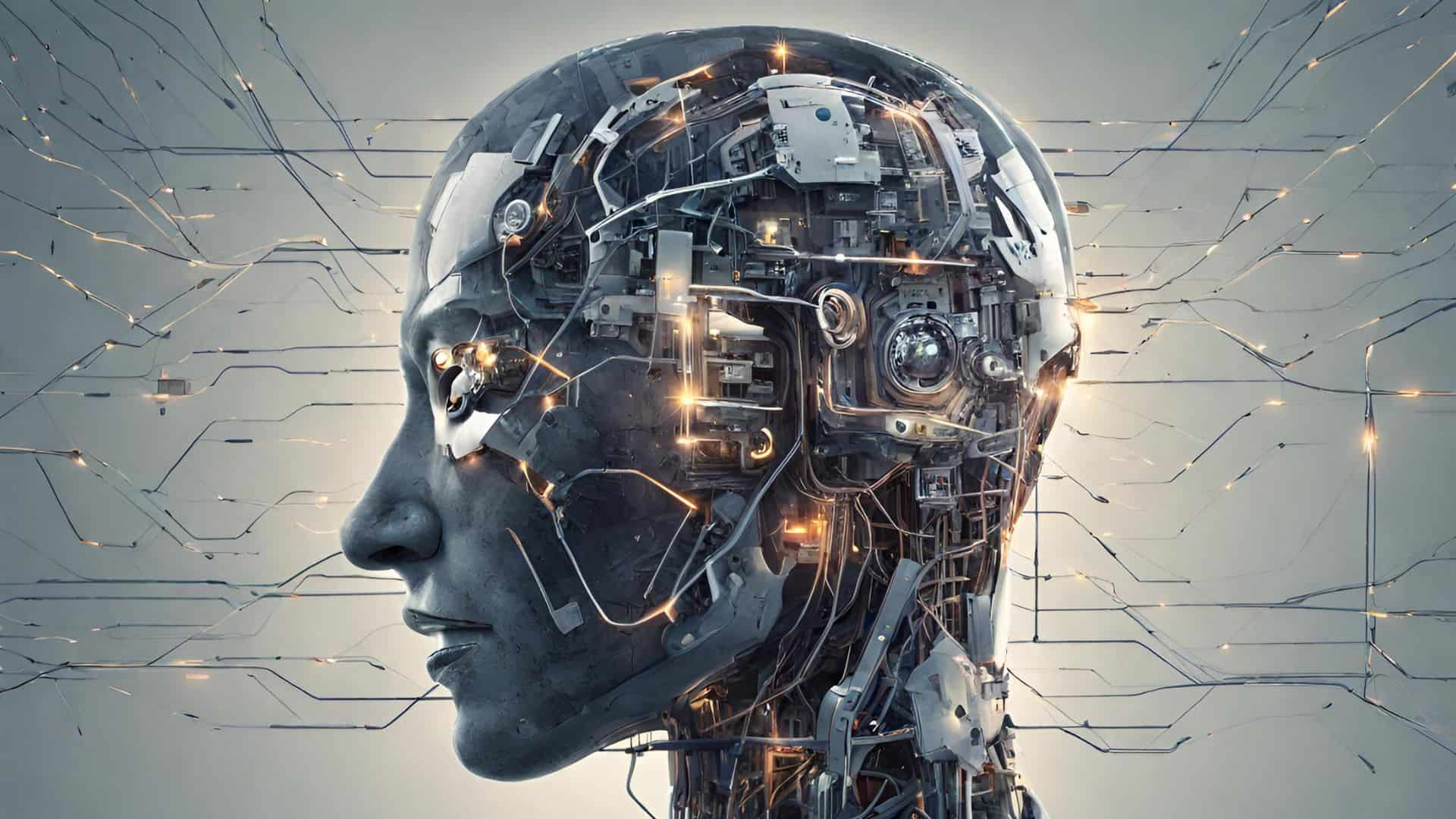
Image Generators
In recent years, the rapid advancement of artificial intelligence has transformed various sectors, and one of the most captivating developments has been in the field of image generation. Image generators, powered by complex algorithms and deep learning techniques, have revolutionized the way visuals are created, sparking both excitement and controversy across industries such as art, advertising, and entertainment.
At the core of these innovative tools lies generative adversarial networks (GANs), a type of neural network architecture that pits two models against each other: a generator that creates images and a discriminator that evaluates them. This dynamic allows the generator to improve its output over time, resulting in increasingly realistic images. The advent of GANs has led to the production of stunning visual content that blurs the line between human creativity and machine-generated art.
Several platforms have emerged that leverage these technologies, allowing users to create artwork with just a few clicks. DALL-E, developed by OpenAI, is one such tool that gained significant attention for its ability to generate intricate images from textual descriptions. Users can input phrases like "a two-headed flamingo wearing a top hat," and DALL-E will produce a unique image that captures the essence of the request. This capability has opened new avenues for creativity and expression, enabling artists and non-artists alike to explore their imaginations without the constraints of traditional artistic skills.
Another notable player in this space is Midjourney, which operates through a Discord server where users can interact with the AI in real-time. Midjourney's unique approach has fostered a vibrant community of creators who share their generated images and collaborate on projects. This social aspect adds a layer of engagement that many find appealing, as it combines technology with community-driven creativity.
Image generators are not limited to whimsical creations; they also hold practical applications in fields like marketing and product design. Businesses are increasingly using AI-generated visuals to create marketing materials, advertisements, and even product mockups. This shift not only saves time and resources but also allows companies to test different concepts quickly. For instance, a fashion brand can generate multiple clothing designs, helping them gauge consumer interest before committing to production.
Nevertheless, the rise of image generators has raised ethical questions about authorship, originality, and copyright. As these tools become more accessible, the distinction between human-created and machine-generated art becomes increasingly blurred. Critics argue that relying on AI for creative processes undermines the value of human artistry and could lead to a homogenization of visual culture. Additionally, concerns over copyright infringement arise when AI systems are trained on existing artworks, raising questions about the ownership of the images they generate.
In response to these concerns, some companies and organizations have begun to establish guidelines and ethical frameworks for the use of AI in creative endeavors. For example, the European Union has proposed regulations aimed at ensuring that AI technologies are developed and used responsibly, emphasizing transparency and accountability. These regulations could pave the way for a more balanced approach to the integration of AI in the creative sector, fostering innovation while safeguarding the rights of artists and creators.
Moreover, the debate surrounding image generators has prompted a renewed interest in the value of human creativity. Many artists are embracing these tools, not as replacements for their craft but as collaborators that enhance their creative processes. By integrating AI-generated elements into their work, artists can explore new styles and perspectives, ultimately expanding the boundaries of traditional art forms. This synergy between human and machine could lead to the emergence of entirely new genres of art, enriching the cultural landscape.
As the technology continues to evolve, the future of image generation looks promising. Researchers are exploring ways to refine these algorithms further, making them more efficient and capable of producing even more complex visuals. Projects like Stable Diffusion have demonstrated the potential of combining multiple AI models to create high-quality images quickly, hinting at a future where custom visuals can be generated instantaneously in response to user input.
Additionally, the accessibility of these tools is on the rise. As image generators become integrated into everyday software and applications, more users will have the opportunity to experiment with AI-driven creativity. This democratization of technology could lead to a new wave of artistic expression, where anyone can become a creator, regardless of their background or experience.
Furthermore, the intersection of image generation and virtual reality (VR) is set to unlock new dimensions of creativity. Imagine stepping into a fully immersive environment where users can generate and manipulate visuals in real time. Artists could create entire worlds on-the-fly, inviting audiences to experience their visions in interactive ways. This integration of AI and VR has the potential to redefine storytelling, gaming, and experiential art, making the possibilities nearly limitless.
In conclusion, image generators represent a significant leap forward in the realm of creative technology, offering new tools for artists, businesses, and everyday users. While the ethical implications and challenges surrounding this technology remain a topic of ongoing discussion, the opportunities it presents are undeniable. As society navigates this new landscape, it becomes essential to strike a balance that honors human creativity while embracing the incredible potential of artificial intelligence. The future of image generation is not just about machines creating art; it’s about a collaborative journey that could redefine how we perceive creativity in the digital age.
Recent Posts
Breakthrough in Neural Networks: How New AI Models Revolutionize Global Tech
June 16, 2026
Head-to-Head: Comparing Neural Network Models and Their Impact on AI Work Today
June 16, 2026
New Breakthrough in Image Generators Promises to Revolutionize Artistic Expressi...
June 16, 2026
Maximum Potential
Get the full experience with Pro Plan
INFORMATION