February 26, 2026
Revolutionizing Creativity: How Image Generators Are Transforming Art in 2023
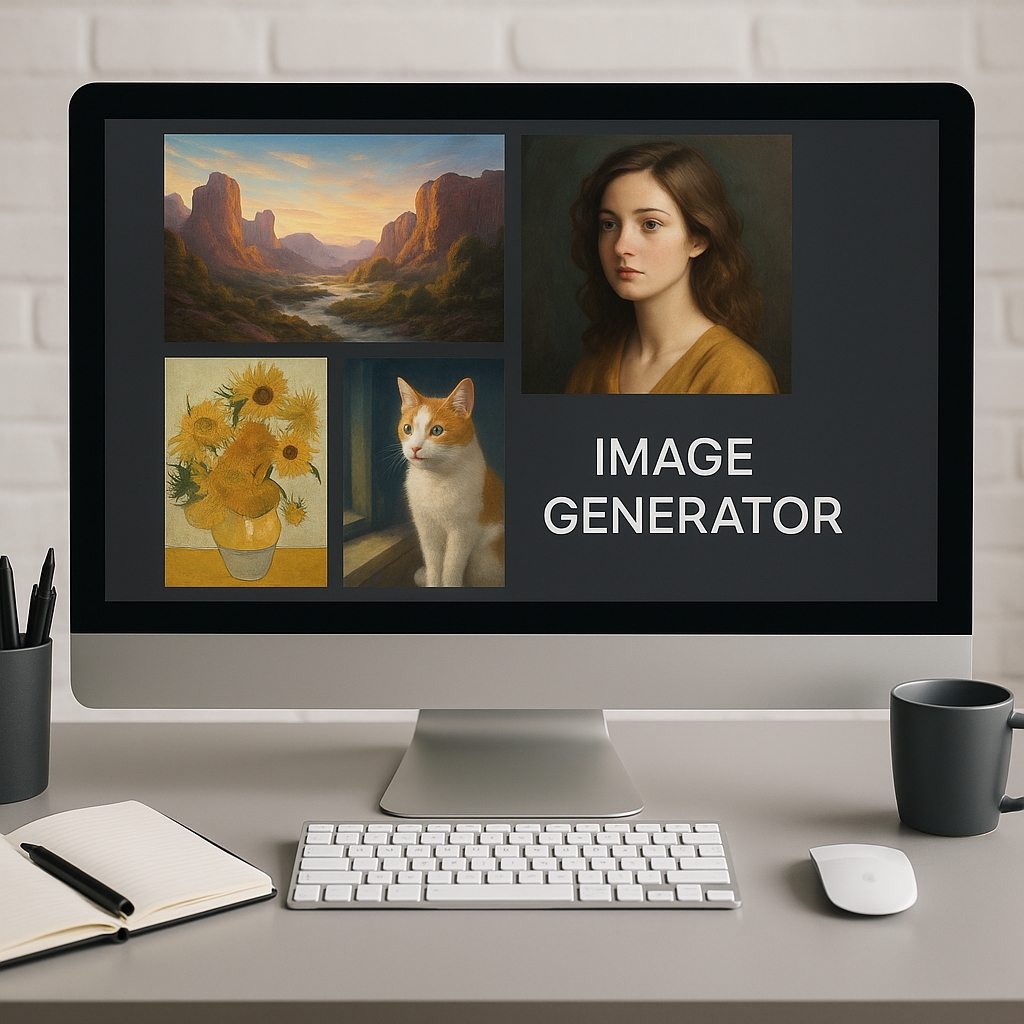
Image Generators
The rapid advancement of artificial intelligence (AI) has spurred a revolution in various sectors, and one of the most fascinating developments in recent years has been the rise of image generators. These sophisticated tools have transformed the way we create, manipulate, and interact with visual content, providing both professional creators and casual users with unprecedented capabilities. As image generation technology continues to evolve, its implications for art, business, and society at large are becoming increasingly profound.
Image generators, often powered by deep learning algorithms, use a variety of techniques to create images from textual prompts or to modify existing images. Prominent examples include DALL-E from OpenAI, Midjourney, and Stable Diffusion. These platforms harness neural networks that have been trained on vast datasets of images and their associated descriptions, allowing them to produce highly detailed and contextually relevant visuals. The magic lies in the ability of these systems to understand and interpret language, translating it into a visual medium.
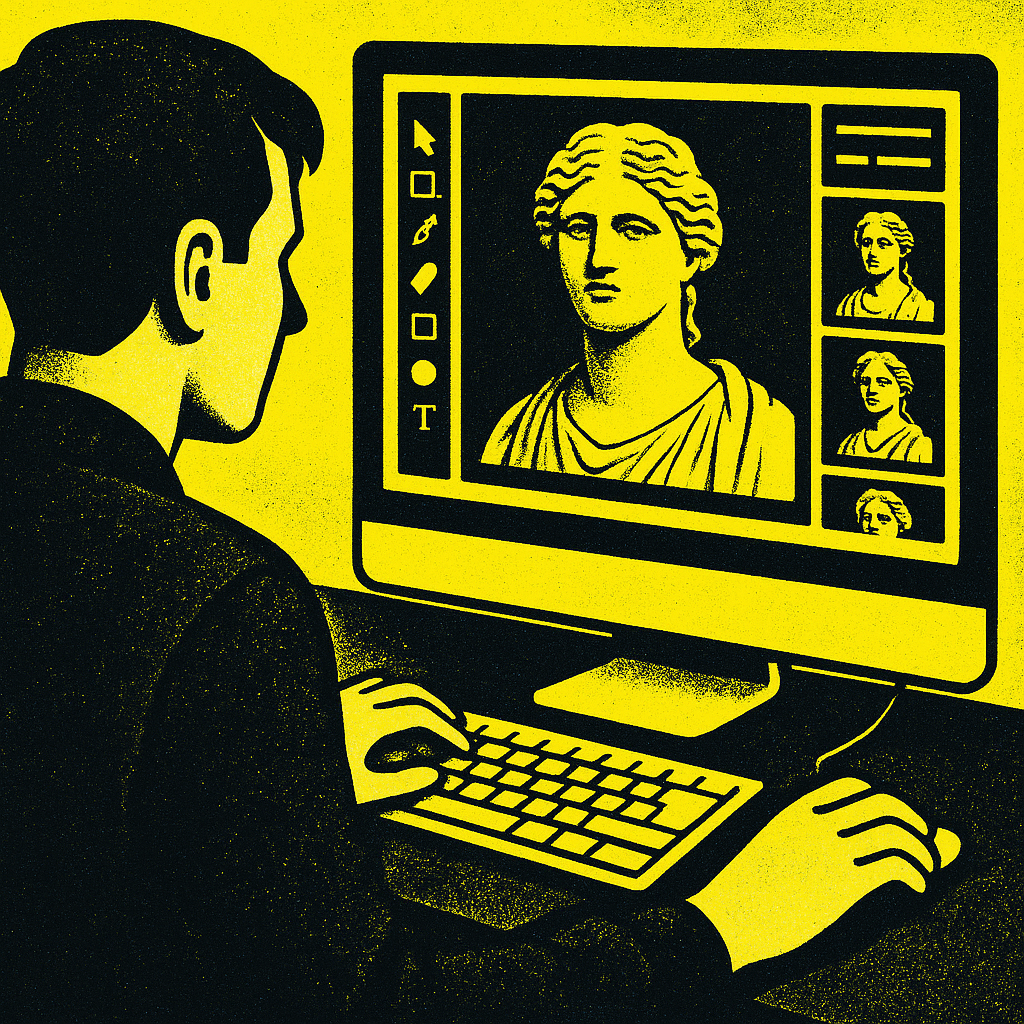
One of the most significant advantages of image generators is their accessibility. Users no longer need extensive artistic skills or expensive software to produce high-quality images. With a simple text prompt, anyone can generate artwork, illustrations, or designs that would have previously required significant time and expertise. This democratization of art and design empowers individuals, enabling them to express their creativity without traditional barriers.
The applications of image generation technology are vast and varied. In the realm of marketing and advertising, businesses are leveraging these tools to create eye-catching visuals for campaigns, social media, and websites. The ability to produce tailored images quickly allows companies to adapt their marketing strategies to current trends and consumer preferences. For instance, brands can generate promotional graphics that align with seasonal events or cultural moments, ensuring their content remains relevant and engaging.
In the entertainment industry, image generators are also making waves. Filmmakers and game developers are using these technologies to conceptualize characters, settings, and props, streamlining the pre-production process. Instead of relying solely on human artists, teams can generate multiple visual options in a fraction of the time, providing a springboard for further creative development. This collaborative approach enhances the creative process and can lead to innovative designs that might not have emerged through traditional methods.
Moreover, the education sector is beginning to explore the potential of image generators as learning tools. Educators can use these technologies to create engaging visuals for instructional materials, helping to illustrate complex concepts and enhance student understanding. Additionally, students can experiment with generating images as a form of creative expression, fostering a new generation of digital artists who are comfortable navigating AI technologies.
However, the rise of image generators is not without its challenges and ethical considerations. As these tools become more powerful, concerns about copyright and intellectual property have surfaced. With the ability to produce images that closely resemble existing works, questions arise regarding ownership and the potential for infringement. Artists and creators are voicing apprehensions about the devaluation of their work in an era where anyone can generate similar visuals with minimal effort.
Moreover, the potential for misuse of image generation technology cannot be ignored. The ease with which realistic images can be created raises the specter of misinformation and deepfakes. Unscrupulous individuals could use these tools to produce misleading images that might harm reputations, spread false narratives, or incite unrest. As such, it is imperative for developers, policymakers, and users to establish guidelines and ethical frameworks that govern the use of these technologies.
Another significant challenge is the inherent biases present in the datasets used to train image generators. If the training data reflects societal biases—whether based on race, gender, or cultural representation—these biases can be perpetuated in the generated images. This poses a risk of reinforcing stereotypes and misrepresenting certain groups. Developers must prioritize creating diverse and representative datasets to mitigate these issues and ensure that the technology serves all users equitably.
As the capabilities of image generators continue to expand, the dialogue surrounding their implications will only intensify. Industry leaders and experts are advocating for a balanced approach that embraces innovation while addressing the ethical and societal challenges posed by this technology. Key stakeholders must collaborate to establish best practices that promote responsible usage, ensure accountability, and prioritize the interests of creators.
Looking ahead, the future of image generators appears bright and full of possibilities. As AI continues to evolve, we can expect even more sophisticated systems that produce increasingly complex and nuanced images. The integration of image generation technology with other AI advancements, such as natural language processing and augmented reality, could lead to entirely new forms of visual storytelling and expression.
In conclusion, image generators represent a transformative leap in the way we create and interact with visual content. While they offer incredible opportunities for creativity and innovation, they also necessitate a thoughtful examination of the ethical implications and potential risks associated with their use. As we navigate this new landscape, it is essential to strike a balance that fosters creativity while protecting the rights and interests of creators and society as a whole. As we embrace this technology, the conversation surrounding its responsible use will be crucial in shaping its future impact on our world.
Recent Posts
Breakthrough in Neural Networks: How New AI Models Revolutionize Global Tech
June 16, 2026
Head-to-Head: Comparing Neural Network Models and Their Impact on AI Work Today
June 16, 2026
New Breakthrough in Image Generators Promises to Revolutionize Artistic Expressi...
June 16, 2026

Maximum Potential
Get the full experience with Pro Plan
INFORMATION