February 8, 2026
Revolutionizing Creativity: How Image Generators are Transforming Art in 2023
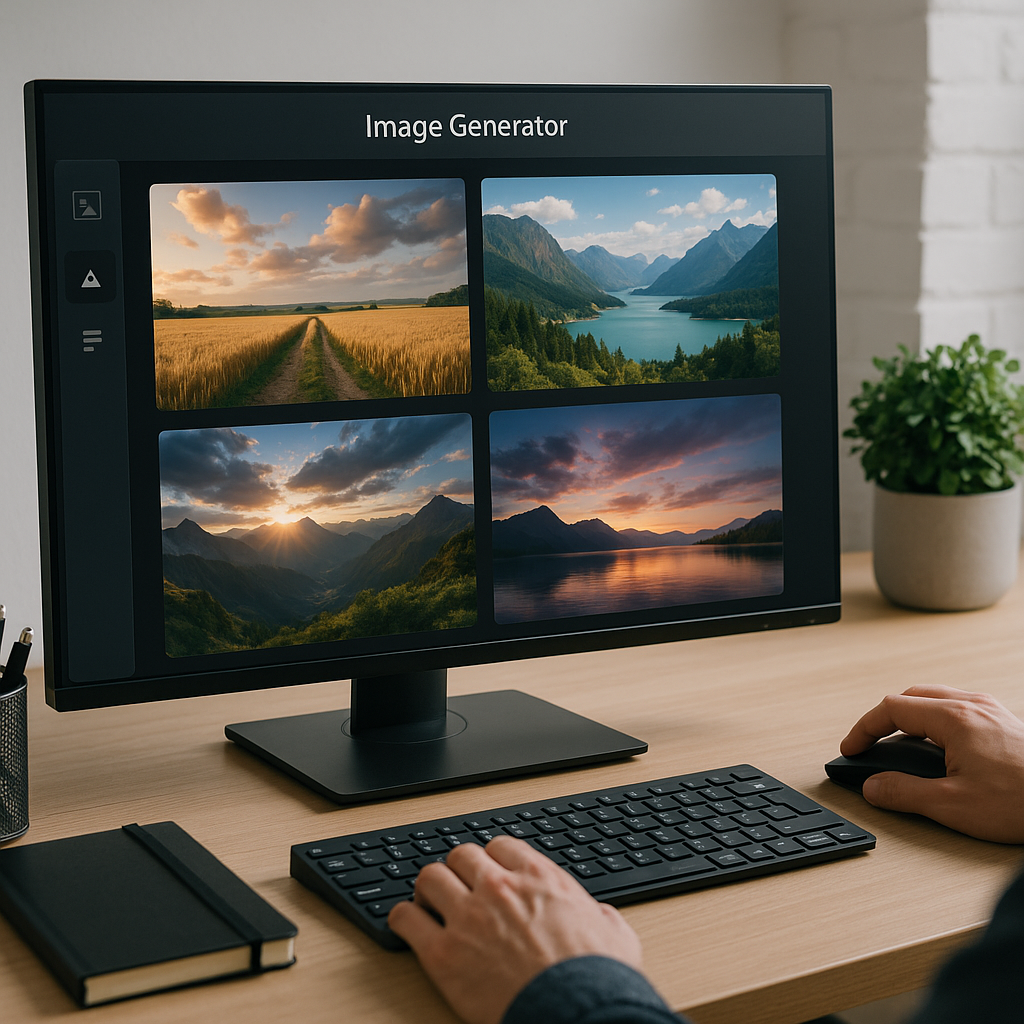
Image Generators
In recent years, the rise of image generators has transformed the landscape of digital art, design, and content creation. Powered by advanced artificial intelligence (AI) algorithms, these tools have made it possible for users to create stunning visuals with minimal effort. From professional artists to casual users, image generators have become an invaluable resource, allowing for the rapid production of illustrations, graphics, and even entire scenes. This article explores the evolution, technology, applications, and implications of image generators in today's digital world.
The journey of image generation technology began with simple graphics programs but has rapidly evolved into highly sophisticated AI-driven platforms. Early algorithms relied on basic rules and templates to create images, often resulting in static and repetitive outputs. However, the introduction of deep learning and neural networks marked a significant turning point. Technologies such as Generative Adversarial Networks (GANs) and diffusion models have enabled computers to learn from vast datasets, producing images that are not only unique but also exhibit remarkable detail and artistic flair.
At the heart of most modern image generators is a neural network architecture that mimics the human brain's structure. In a GAN, two networks—the generator and the discriminator—compete against each other. The generator creates images, while the discriminator evaluates them, determining whether they are real (from a dataset) or fake (created by the generator). This back-and-forth process leads to continuous improvement, resulting in increasingly realistic images over time. Diffusion models, on the other hand, work by gradually adding noise to an image and then reversing the process to create new visuals. Both approaches have been instrumental in pushing the boundaries of what AI can achieve in terms of creativity and artistic expression.
One of the most exciting aspects of image generators is their accessibility. Platforms like DALL-E, Midjourney, and Stable Diffusion have democratized art creation, allowing anyone with an internet connection to generate high-quality images by simply typing a prompt. This shift has profound implications for various sectors, including marketing, gaming, and social media. Businesses can now produce custom graphics for advertisements, product designs, and social media posts without the need for a dedicated design team. As a result, companies can save time and resources while also experimenting with diverse creative directions.
Moreover, image generators have sparked a new wave of creativity among artists. Many professionals are using these tools as part of their workflow, combining AI-generated images with traditional techniques to create hybrid works. This collaboration between human creativity and machine learning is opening up new avenues for artistic expression, challenging the notion of authorship and originality in art. Artists are now able to explore concepts and styles that may have previously seemed unattainable, pushing the boundaries of their creativity.
However, the rise of image generators is not without controversy. One of the most significant concerns is the ethical implications surrounding the use of AI-generated art. Issues of copyright and ownership have emerged as creators grapple with the question of who owns the rights to an image produced by an AI. Additionally, there are concerns about the potential misuse of these technologies, including the creation of deepfakes or misleading visuals that could impact public perception or spread misinformation.
Furthermore, the environmental impact of training large AI models has come under scrutiny. The computational power required to develop and run these algorithms consumes significant amounts of energy, raising questions about sustainability in the tech industry. As awareness of climate change grows, developers and researchers are being urged to consider greener alternatives and more efficient approaches to AI training.
Despite these challenges, the future of image generators looks promising. As technology continues to advance, we can expect even more sophisticated and user-friendly tools to emerge. Innovations such as improved natural language processing will enhance the ability of these generators to understand and interpret complex prompts, leading to more nuanced and contextually appropriate images. Additionally, ongoing research into ethical AI practices may help address some of the concerns surrounding copyright and misuse, paving the way for a more responsible use of these powerful tools.
The educational sector is also beginning to embrace image generators, incorporating them into art and design curricula. By teaching students how to leverage AI in their creative processes, educators can prepare the next generation of artists for a future where technology and art coexist harmoniously. Workshops and courses focusing on the ethical use of these tools will also be crucial in fostering a responsible approach to AI in creative fields.
Moreover, as the technology matures, we may see image generators being integrated into broader applications beyond standalone art creation. For instance, they could play a role in video game development, allowing designers to quickly prototype environments and characters or in film production, where they might assist in conceptualizing scenes and visual effects. The possibilities are vast, and as more industries recognize the potential of AI-generated imagery, we are likely to see innovative applications that we cannot yet imagine.
In conclusion, image generators represent a significant leap forward in the intersection of art and technology. They have opened doors for creativity, accessibility, and collaboration, while also presenting challenges that require careful consideration. As we navigate this evolving landscape, it is essential for creators, technologists, and policymakers to work together to harness the benefits of image generation while addressing its ethical and environmental implications. The future of visual creativity is undoubtedly intertwined with AI, and it is up to us to shape it responsibly.
Recent Posts
Breakthrough in Neural Networks: How New AI Models Revolutionize Global Tech
June 16, 2026
Head-to-Head: Comparing Neural Network Models and Their Impact on AI Work Today
June 16, 2026
New Breakthrough in Image Generators Promises to Revolutionize Artistic Expressi...
June 16, 2026
Maximum Potential
Get the full experience with Pro Plan
INFORMATION