February 18, 2026
Revolutionizing Creativity: How Image Generators are Transforming Digital Art
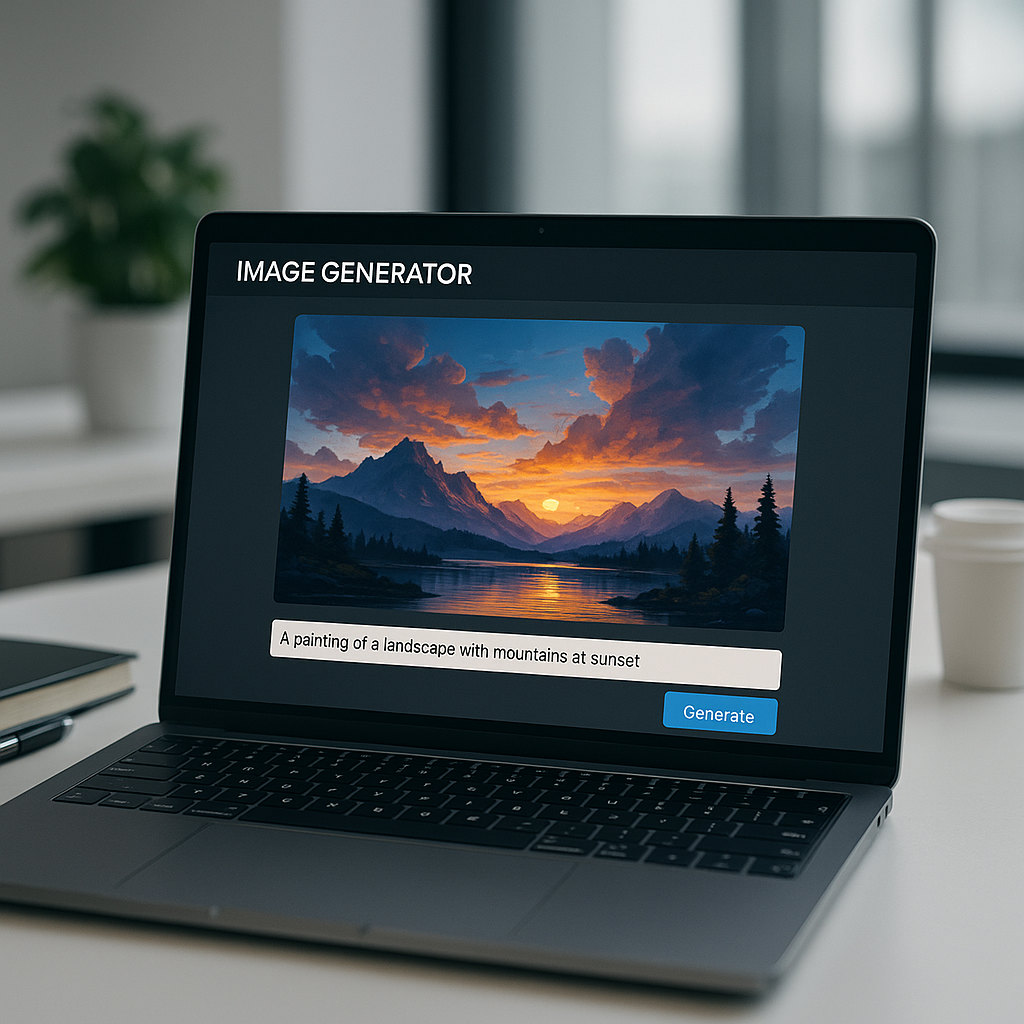
Image Generators
The world of technology is undergoing a dramatic transformation, particularly in the realm of artificial intelligence (AI) and machine learning. Among the most captivating advancements in this field are image generators, which have gained considerable traction in recent years. These sophisticated systems utilize deep learning algorithms to create stunning visuals, ranging from artwork to photorealistic images, based on textual descriptions or other input parameters. The rise of image generators is not just a technological marvel; it is also reshaping industries, influencing creative processes, and prompting discussions about the future of art and content creation.
At the heart of image generation technology are Generative Adversarial Networks (GANs) and diffusion models. GANs consist of two neural networks—the generator and the discriminator—that work in tandem to produce new images. The generator creates images, while the discriminator evaluates them against a dataset of real images. This iterative process continues until the generator produces visuals that are indistinguishable from actual photographs or artwork. On the other hand, diffusion models generate images by reversing the process of adding noise to data, effectively learning to create images from random noise through a series of gradual transformations.
The application of image generators spans a multitude of fields, from entertainment and advertising to education and healthcare. In the creative industry, artists and designers are leveraging these tools to enhance their workflows. For instance, graphic designers can use image generators to brainstorm ideas, generate concept art, or produce unique illustrations that align with specific themes or narratives. Such technology allows for rapid prototyping, enabling creators to explore a wider range of visual possibilities in a fraction of the time it would traditionally take.
In the realm of advertising, companies are increasingly turning to image generators to produce high-quality visuals for campaigns. The ability to create tailored images that resonate with target audiences has revolutionized marketing strategies. Brands can now generate visuals that are not only eye-catching but also personalized, driving engagement and enhancing customer experiences. This shift towards AI-generated imagery is particularly significant in a digital landscape where content saturation is prevalent, and unique visuals can set a brand apart from its competitors.
Furthermore, the gaming industry has also embraced image generators, integrating them into game development pipelines. Developers can use these tools to create diverse environments, characters, and assets, significantly reducing production time and costs. By generating variations of images, game designers can ensure a richer gaming experience that captivates players and offers new challenges. The potential for procedural generation through image generators also opens the door for infinite possibilities in gameplay, allowing for dynamic worlds that adapt to player choices.
In education, image generators offer innovative ways to enhance learning experiences. Educators can create custom illustrations for teaching materials, making complex concepts more accessible and engaging for students. Moreover, these tools can assist in producing visual aids for presentations, helping to clarify information and retain student interest. As remote learning continues to be a prominent aspect of education, the ability to generate customized content on-demand can greatly benefit educators and learners alike.
Despite the numerous advantages, the rise of image generators is not without its challenges and ethical concerns. One significant issue revolves around copyright and intellectual property rights. As AI-generated images become more prevalent, questions arise about ownership and the originality of the content. Artists may find themselves competing against machines that can produce similar or identical works in a fraction of the time. This has led to debates within the creative community about the value of human artistry in an era where machines can replicate styles and concepts.
Additionally, the potential for misuse of image generators poses a serious ethical dilemma. The technology can be exploited to create deepfakes—manipulated images or videos that depict individuals doing or saying things they did not actually do. This has significant implications for misinformation, privacy, and consent, raising alarms about the responsibility of developers and users of such technology. As image generation tools become more sophisticated, establishing guidelines and regulations will be crucial to mitigate misuse and protect individuals' rights.
Moreover, the environment presents another challenge. Training large-scale AI models requires substantial computational power, which translates to high energy consumption. As awareness of climate change grows, the tech industry faces increasing scrutiny regarding the environmental impact of training AI systems, including image generators. Researchers and developers are now focusing on creating more energy-efficient models and exploring sustainable practices to balance innovation with ecological responsibility.
Looking ahead, the future of image generators appears promising yet complex. The technology is expected to continue evolving, with advancements in realism, speed, and user-friendliness. As more industries adopt these tools, the dialogue around the implications for creativity, authenticity, and ethics will intensify. Collaboration between technologists, artists, and policymakers will be essential in navigating the challenges and opportunities presented by this revolutionary technology.
In conclusion, image generators represent a remarkable intersection of creativity and technology, offering unprecedented possibilities across various sectors. While they empower artists and businesses to push the boundaries of visual content creation, the ethical considerations and societal impacts must not be overlooked. As we stand at the forefront of this digital revolution, fostering a responsible and inclusive approach to the development and use of image generators will be crucial in harnessing their full potential for the benefit of society.
Recent Posts
Breakthrough in Neural Networks: How New AI Models Revolutionize Global Tech
June 16, 2026
Head-to-Head: Comparing Neural Network Models and Their Impact on AI Work Today
June 16, 2026
New Breakthrough in Image Generators Promises to Revolutionize Artistic Expressi...
June 16, 2026

Maximum Potential
Get the full experience with Pro Plan
INFORMATION