травень 27, 2026
The Great Image Generator Debate: Weighing Creativity Against Ethical Concerns
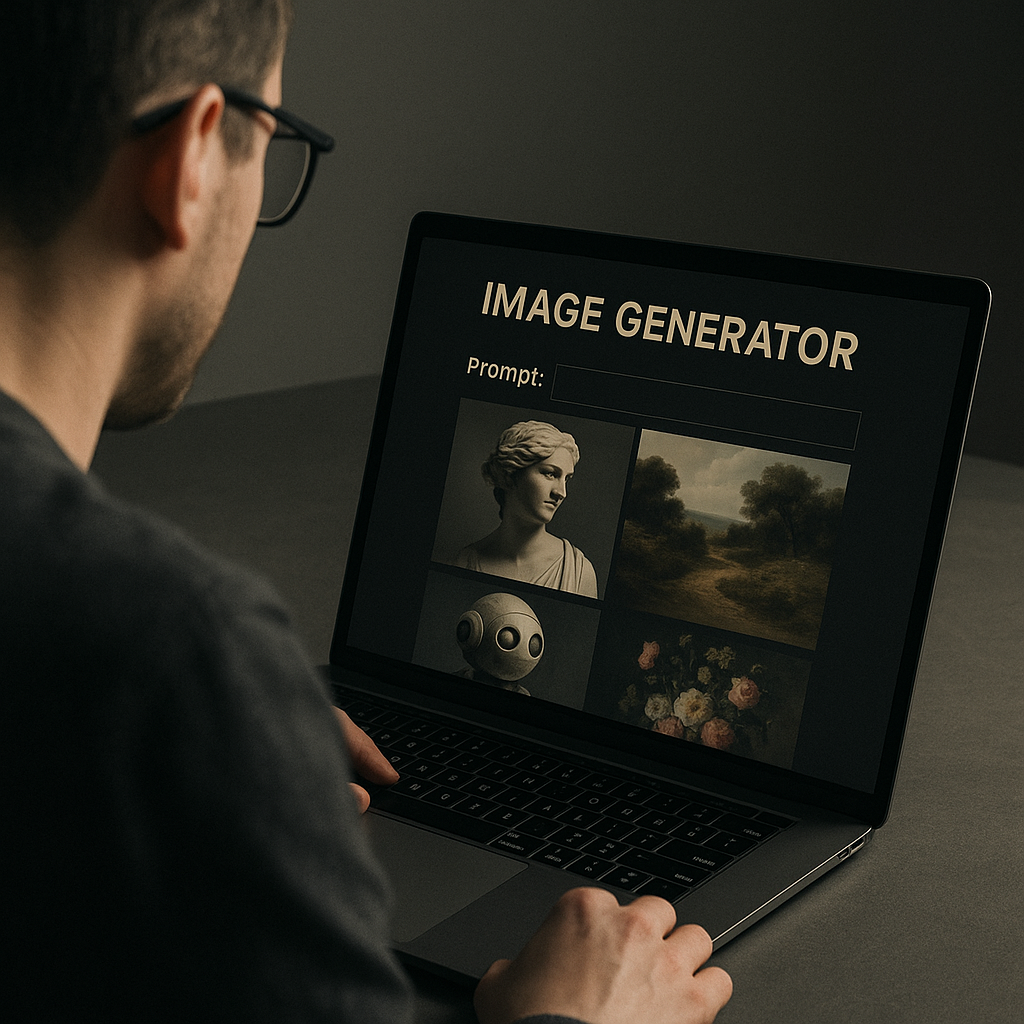
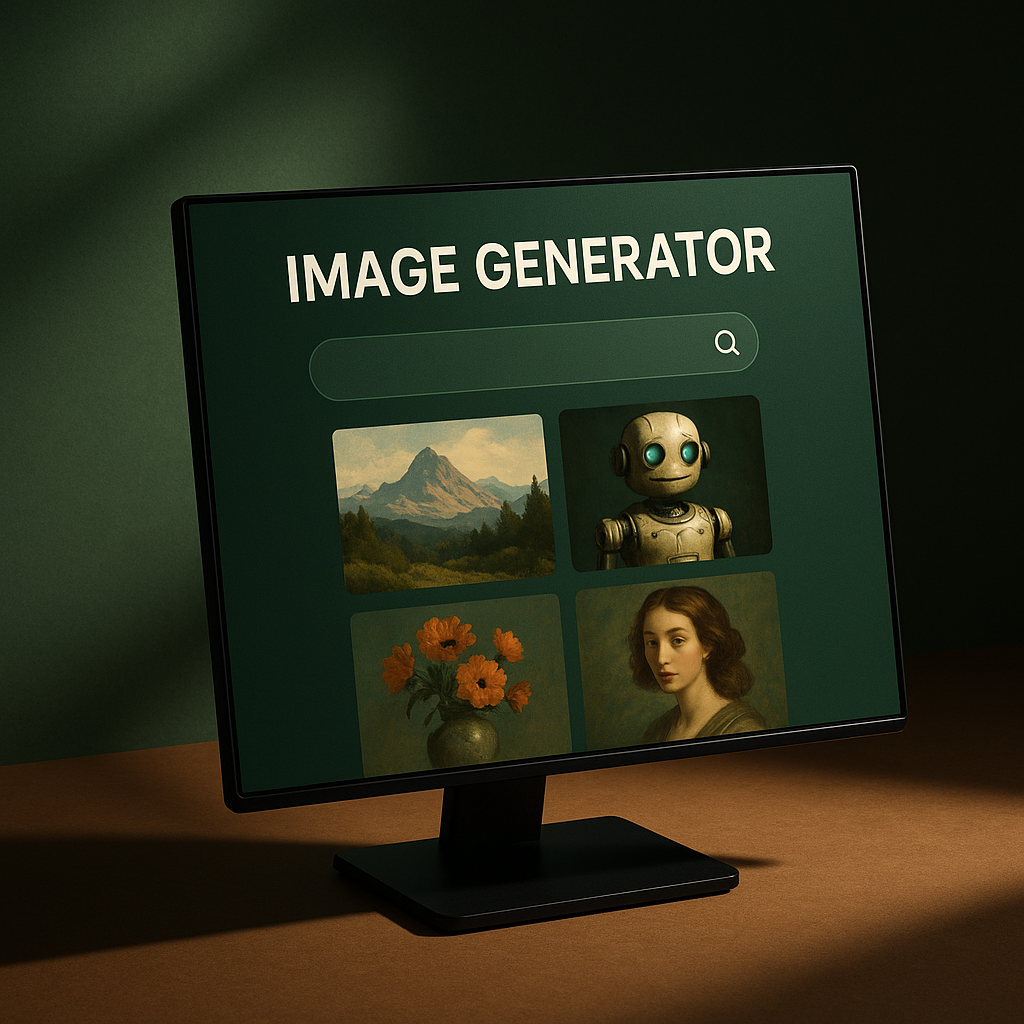
Image Generators
The rise of image generators, powered by artificial intelligence (AI), has sparked an intense debate within the realms of art, technology, and ethics. These tools enable users to create stunning visuals through simple text prompts, raising questions about creativity, ownership, and the future of artistic expression. While proponents argue that image generators democratise art creation and provide new avenues for creativity, opponents raise concerns over copyright infringement and the potential devaluation of traditional artistry.
Understanding Image Generators
Image generators use advanced machine learning algorithms to analyse vast datasets of images and their associated textual descriptions. By understanding patterns and relationships between words and images, these systems can produce original artworks based on user inputs. Popular examples include DALL-E 2 from OpenAI and Midjourney, both of which have gained traction for their ability to create intricate images in seconds.
The Case for Image Generators
Supporters of image generators tout several benefits that may reshape the landscape of art and design:
- Democratisation of Art: One of the most significant advantages is accessibility. Traditional barriers such as formal training or expensive software are lessened, allowing anyone with a creative idea to generate unique artwork. This inclusivity broadens participation in artistic endeavours.
- Enhanced Creativity: Image generators can serve as collaborative tools for artists. They can inspire new ideas or even help overcome creative blocks by providing visual suggestions that artists might not have considered.
- Efficiency: For businesses requiring visual content—be it for marketing campaigns or product designs—image generators streamline the process by delivering tailored visuals quickly. This efficiency can significantly reduce costs associated with hiring professional designers.
- Innovation in Artistic Styles: These tools can mimic various art styles or combine multiple influences into one piece. This blend allows for unprecedented hybridity in art creation, possibly leading to the emergence of new genres.
The Arguments Against Image Generators
Despite the advantages touted by supporters, critics voice substantial concerns regarding image generators:
- Copyright Issues: A primary contention revolves around copyright infringement. Since these models train on existing artworks without explicit permission from creators, there is a fear that they might produce derivative works similar to those protected under intellectual property laws. Critics argue this could undermine artists' rights and livelihoods.
- Devaluation of Art: Many believe these tools risk devaluing traditional forms of artistry by flooding the market with mass-produced images. The uniqueness and personal touch often associated with human-created art may be lost amidst an abundance of AI-generated pieces.
- Lack of Authenticity: Art has long been viewed as a reflection of human experience and emotion. Critics contend that AI-generated images lack genuine intent or emotional depth since they are produced through algorithms rather than personal circumstance or ideology.
- Potential Misuse: As with any technology, there is potential for misuse. Critics worry about generating harmful content or misinformation through manipulated imagery that could deceive viewers or contribute to unethical practices online.
A Middle Ground?
The contentious atmosphere surrounding image generators demands dialogue between both proponents and opponents to find a middle ground that respects artists' rights while embracing innovation in technology. Several paths forward might balance these interests:
- Certain Regulations: Establishing clear guidelines about how AI tools should be trained—such as requiring explicit consent from original artists—might alleviate fears over copyright issues while allowing developers room to innovate.
- Acknowledgment Systems: Platforms hosting AI-generated works could incorporate methods for attributing inspirations from existing artworks, thus honouring creators whose work informed generated content.
- Sustainability Training Programs: Educating users on ethical practices regarding AI usage may lead to more conscientious engagement with these technologies while fostering appreciation for traditional forms of artistry alongside emerging trends.
The Future Landscape
The conversation surrounding image generators will be pivotal in shaping not just the future of digital art but also other creative industries influenced by visual media such as advertising, gaming, and film production. As technology progresses rapidly—often outpacing regulations—the necessity for ongoing discussions becomes increasingly critical.
Creative professionals must navigate this evolving environment carefully; embracing new possibilities while advocating for ethical standards ensures that innovations complement rather than detract from traditional artistry's value.
As society wrestles with these multifaceted debates over creativity versus commodification—a tension known throughout artistic history—it stands at a crossroads where dialogue can pave ways towards inclusive futures where both human creativity thrives alongside technological advancements.
The outcome remains uncertain; however, what’s clear is that image generators are not merely tools but catalysts prompting broader reflections on identity within creativity itself—a philosophical discourse likely to endure long after technological trends fade away into oblivion.
Recent Posts
Head-to-Head: Comparing Top AI Models in Работа с Нейросетями and Their Impact
червень 16, 2026
Debunking Myths: The Realities of Работа с Нейросетями and AI Models Today
червень 16, 2026
Unlocking Creativity: A Simple Guide to Using Image Generators for Beginners
червень 16, 2026

Maximum Potential
Отримайте повний досвід із планом Pro
ІНФОРМАЦІЯ